
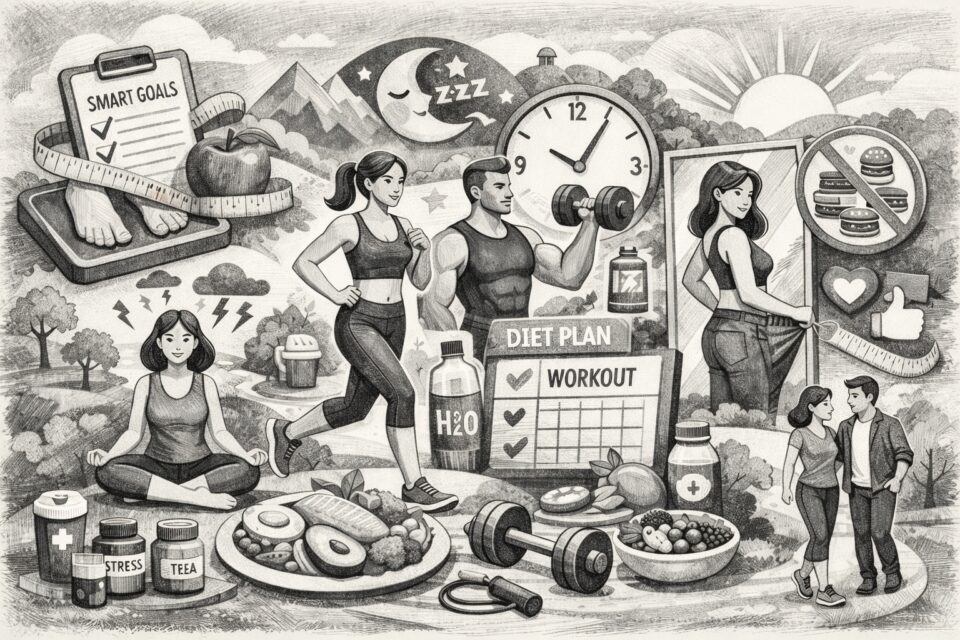
Understanding the True Meaning of Weight Loss
Why weight loss is not just about the number on the scale
Weight loss is often simplified as a decreasing number on the scale. In reality, it is far more complex. The human body is not merely a mathematical machine; it is a dynamic biological system. A drop in weight can come from water, muscle mass, or fat. Not all of these indicate healthy progress.
More importantly, obsessing over numbers can create an unhealthy relationship with your body. What truly matters is body composition and overall metabolic health.
The difference between weight loss and fat loss
Weight loss does not always mean fat loss. A person may lose weight while also losing muscle mass—which can be detrimental in the long run.
Fat loss is the more desirable goal. It means the body is burning stored fat while preserving muscle tissue. The result is not only a leaner body but also a stronger and healthier one.
Why Do Many People Fail to Lose Weight?
Common mistakes people make
Many people fall into the trap of extreme dieting. They drastically cut calories, excessively restrict certain foods, or follow trends without proper understanding. These approaches are rarely sustainable.
Another common issue is inconsistency. Initial motivation often fades due to the lack of a structured and realistic system.
Unrealistic expectations
The desire for instant results often backfires. The body needs time to adapt. Healthy weight loss is gradual, not drastic.
Unrealistic expectations can lead to frustration. When results don’t match expectations, many people give up.
The impact of mindset on results
Mindset is the foundation. Without the right perspective, even the best strategy can fail. Those who see weight loss as a learning process tend to succeed more than those chasing quick results.
How the Body Works in Losing Weight
The concept of calories in vs calories out
The fundamental principle of weight loss is a calorie deficit. This means consuming fewer calories than the body uses. However, it’s not just simple arithmetic.
Calorie quality also matters. 200 calories from sugar do not have the same effect as 200 calories from protein.
The role of metabolism in weight loss
Metabolism is the process by which the body converts food into energy. Each person has a different metabolic rate, influenced by genetics, age, and body composition.
An efficient metabolism helps burn calories more effectively—even at rest.
How the body burns fat
When the body experiences an energy deficit, it begins to use stored fat as fuel. This process involves hormones such as insulin and leptin.
However, fat burning does not happen instantly. It requires consistency and balance between diet and physical activity.
Setting Realistic Weight Loss Goals
How to set healthy targets
Healthy goals are specific, measurable, and realistic. For example, losing 0.5–1 kg per week is considered safe.
How much weight is ideal to lose
Losing 5–10% of your initial body weight already provides significant health benefits. There is no need for extreme changes.
The importance of focusing on progress, not perfection
Small progress still counts. Consistency matters more than short-term perfection.
Healthy Eating for Weight Loss
Basic principles of a balanced diet
A balanced diet includes all macronutrients in proper proportions. Nothing needs to be completely eliminated.
The importance of protein, carbohydrates, and healthy fats
Protein helps maintain muscle mass. Carbohydrates provide energy. Healthy fats support hormonal function. All three work synergistically.
Managing portion sizes without starving
Portion control does not mean deprivation. Focus on food quality and natural satiety.
Foods That Support Weight Loss
High-protein foods that keep you full
Eggs, skinless chicken, fish, and legumes are excellent choices. Protein increases satiety and reduces hunger.
The best vegetables and fruits for dieting
Leafy greens, berries, and apples are rich in fiber and low in calories—ideal for weight loss.
Healthy fats that actually help weight loss
Avocados, nuts, and olive oil help maintain hormonal balance and keep you full longer.
Foods to Limit
High-sugar foods and their impact
Sugar causes insulin spikes that can increase fat storage.
Processed carbohydrates that hinder progress
White bread and refined foods digest quickly, leading to faster hunger.
Hidden calories in beverages
Sugary drinks often contribute significant unnoticed calories.
Popular Diet Strategies: Which One Works?
Low-carb diet
Effective for controlling insulin levels, but not suitable for everyone.
Intermittent fasting
Regulating eating windows can naturally reduce calorie intake.
High-protein diet
Supports muscle growth and boosts metabolism.
Pros and cons of each method
Each method has its advantages and limitations. The best choice is one that fits your lifestyle.
The Importance of Exercise in Weight Loss
Best types of exercise for fat burning
A combination of cardio and strength training yields optimal results.
The difference between cardio and strength training
Cardio burns calories immediately. Strength training increases long-term metabolism.
How long and how often to exercise
Consistency matters more than extreme durations.
Simple Workouts You Can Do at Home
No-equipment workouts for beginners
Exercises like squats, push-ups, and planks are highly effective.
Short but effective workouts
15–20 minute high-intensity sessions can deliver significant results.
Tips to stay consistent with exercise
Create a routine and choose activities you enjoy.
The Role of Sleep in Weight Loss
Why lack of sleep leads to weight gain
Sleep deprivation disrupts hunger hormones like ghrelin and leptin.
Ideal sleep duration for weight loss
Around 7–9 hours per night is optimal.
How to improve sleep quality
Maintaining a consistent sleep routine is key.
Stress Management and Its Impact on Weight
The link between stress and overeating
Stress often triggers emotional eating.
Healthy ways to manage stress
Exercise, meditation, and hobbies can help.
Effective relaxation techniques
Deep breathing and mindfulness are proven methods.
Small Habits That Make a Big Difference
Drinking enough water
Water supports metabolism and helps control appetite.
Mindful eating
Being present while eating prevents overeating.
Reducing unconscious snacking
Pay attention to habitual snacking patterns.
How to Overcome a Weight Loss Plateau
Why weight loss stalls
The body adapts to repeated patterns.
Strategies to resume progress
Adjust workouts or calorie intake.
When to change your diet or exercise plan
When stagnation persists over time.
Weight Loss Supplements: Necessary or Not?
Common types of supplements
Protein powders and green tea extract are widely used.
Effectiveness and safety
Not all supplements are effective. Choose wisely.
Safer natural alternatives
Whole foods remain the best option.
Myths vs Facts About Weight Loss
Does eating at night cause weight gain?
No. Total daily calorie intake matters more.
Should fat be completely avoided?
No. Healthy fats are essential.
The truth about extreme diets
Extreme diets are rarely sustainable.
Staying Motivated During Weight Loss
How to stay consistent despite slow results
Focus on habits, not instant outcomes.
The importance of social support
A supportive environment makes a big difference.
Healthy reward systems
Reward yourself with non-food incentives.
The Role of Environment in Diet Success
Influence of family and friends
Your surroundings can support or hinder progress.
Creating a supportive environment
Keep healthy foods readily available at home.
Avoiding daily temptations
Limit exposure to unhealthy options.
Building a Long-Term Healthy Lifestyle
Changing habits, not just dieting
Focus on sustainable lifestyle changes.
Maintaining ideal body weight
Consistency is the key.
Making healthy living a routine
Integrate healthy habits into daily life.
Signs of Healthy Weight Loss
Physical changes beyond the scale
Reduced body measurements and looser clothing.
Increased energy and fitness
You feel lighter and more energetic.
Improved relationship with food
A healthier mindset toward eating develops.
Mistakes to Avoid When Dieting
Overly restrictive diets
Can lead to rebound weight gain.
Relying on a single method
A flexible approach is more effective.
Ignoring mental health
Mental well-being is just as important as physical health.
Beginner’s Guide to Starting Weight Loss
Simple steps to get started
Start with small, manageable changes.
Initial checklist before dieting
Define goals and choose a strategy.
Tips to avoid giving up
Build habits rather than relying solely on motivation.
Conclusion: Losing Weight the Smart Way
Focus on health, not just appearance
Health is a long-term investment.
Weight loss is a marathon, not a sprint
Patience is essential.
Small steps today lead to big results tomorrow
Great transformations begin with small actions.