When the Body Is Tired but the Mind Hosts an International Conference
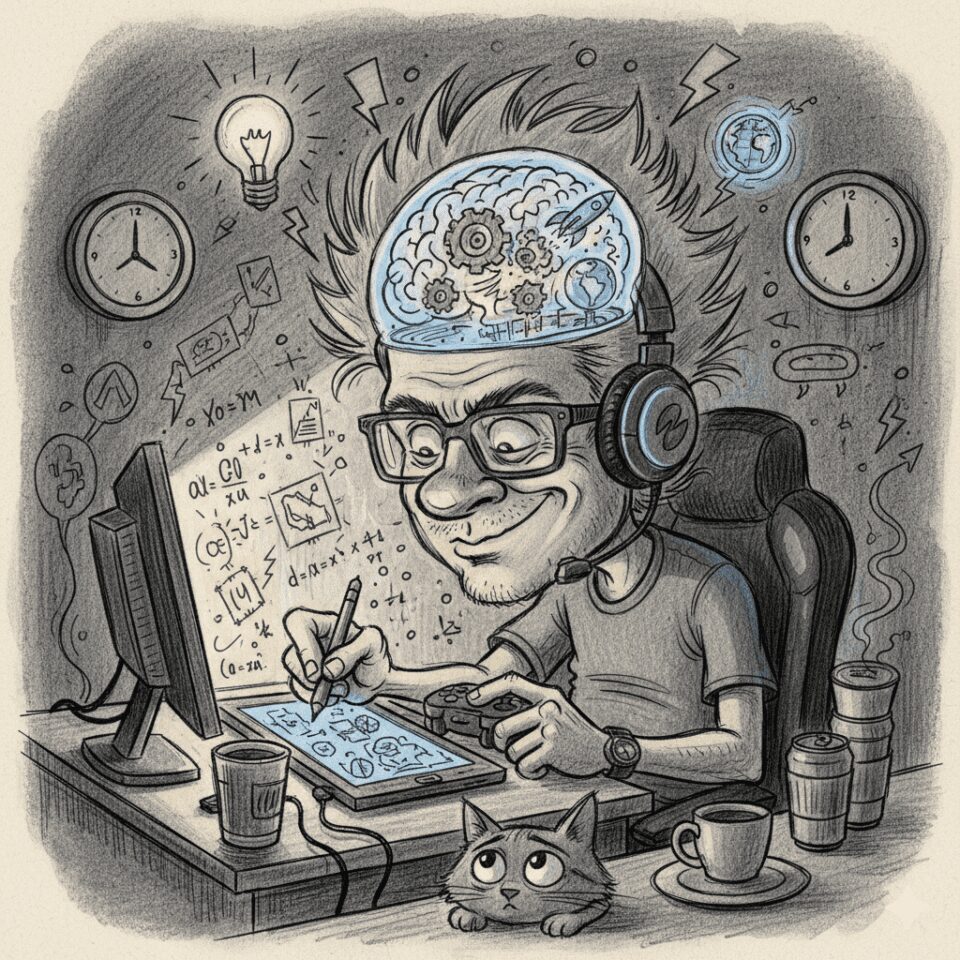
Your body is done. Eyes heavy. Spine grateful for the mattress. Yet the moment the lights go off, your brain schedules a global summit—no invitation required. This is the classic paradox: physically sleepy, mentally hyperactive.
The original plan? Sleep early. Five minutes later, you’re mapping out your five-year career strategy, replaying an awkward moment from 2019, and redesigning your financial future. Dramatic? Yes. Relatable? Painfully.
The Brain and the Body Clock: Not Always in Sync
The body runs on a circadian rhythm—an internal clock regulating sleep and alertness. In theory, it’s precise. In reality, it’s easily disrupted.
A bit of stress. A bit of screen light. A slightly chaotic schedule. Suddenly, 10:30 p.m. becomes prime time for existential reflection. As the world quiets down, your mind finds its stage.
The Silence Effect: When There Are No Distractions
Daytime is noisy—notifications, conversations, deadlines. The brain stays busy reacting. Night is different. Quiet. Still. Devoid of external stimuli.
And precisely because of that, internal noise gets louder.
Without outside distractions, the voice in your head echoes. Small concerns inflate. Old memories resurface. Overthinking adjusts the volume to maximum.
The Revenge of Postponed Thoughts
Throughout the day, you postpone things: feelings you don’t process, worries you shelve, decisions you delay. Nighttime becomes audit hour.
All those “I’ll think about it later” thoughts now demand attention. No queue system. No time limit. You’re horizontal—but mentally running laps.
Overthinking: A Marathon Without Movement
One favorite midnight hobby? Replaying old conversations. Especially the awkward ones. You rewrite your responses, upgrade your wit, imagine a more articulate version of yourself.
Unfortunately, the only audience is you.
Then come the hypothetical disasters. The failed presentation. The disappointed boss. The catastrophic future. The brain produces doomsday cinema with unlimited budget—premiering right before 1 a.m.
Midnight Creativity: Genius or Just Fatigue?
Not all nighttime activity is negative. Many ideas surface after lights out. As logical control weakens with fatigue, associations grow looser. Freer. Wilder.
Connections spark unexpectedly. Sometimes brilliant. Sometimes “revolutionary” until reviewed the next morning—when they feel… average.
Sleepiness lowers rational filters. Imagination steps into the spotlight.
Hormonal Drama Behind the Scenes
Biologically, nighttime should trigger melatonin—the hormone that promotes sleep. But stress and blue light exposure can suppress it.
Meanwhile, cortisol—the stress hormone—may remain elevated. The result? A strange state: tired body, alert nervous system. You want sleep. Your brain clocks in for overtime.
Anxiety Gets the Spotlight
Night is prime time for worry. Bills. Relationships. Career trajectories. Life direction. Everything feels heavier in the dark.
Perspective shrinks. Problems expand.
Practical concerns and philosophical dilemmas share the same table. From “What do I owe tomorrow?” to “What am I even doing with my life?” All debated at once. No commercial breaks.
Gadgets: The Enemy in the Sheets
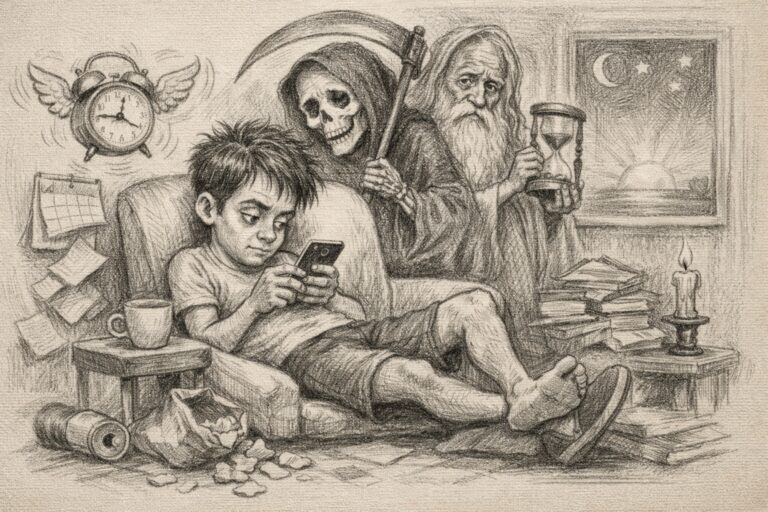
The pre-sleep ritual often includes aimless scrolling. One video. Then another. Algorithms know you’re tired—and that’s exactly why you won’t stop.
Blue light tells your brain it’s still daytime. Melatonin production stalls. Your body clock gets confused. One more episode turns into three. The clock quietly slips past midnight.
Fatigue and the Weakening of Logic
When mental energy drops, rational filtering weakens. Negative thoughts feel more convincing. Worries masquerade as facts.
In a fatigued state, the brain leans dramatic. Minor issues feel like personal crises.
This isn’t weakness. It’s sleep deprivation.
Evolution and the Instinct to Stay Alert
From an evolutionary standpoint, nighttime once meant vulnerability. Predators lurked in the dark. Alertness meant survival.
Perhaps remnants of that system still linger. Only now, the “predators” are deadlines, loans, and unread messages.
The Illusion of Productivity in Bed
Curiously, 11 p.m. often feels like your most ambitious hour. You redesign your life. Plan a business. Commit to healthier habits. You think like a visionary CEO—while lying flat.
Morning brings realism. Many midnight resolutions evaporate with the alarm.
Some ideas are worth keeping. Not all 1 a.m. insights are divine revelations.
The Line Between Overthinking and Insomnia
Occasional sleeplessness is human. But when nearly every night turns into a mental marathon, quality of life declines.
Difficulty focusing. Irritability. Low energy. These are signals. The body asking for rest—not more scrolling.
Making Peace with an Overactive Brain
Your brain isn’t the enemy. It simply hasn’t received a clear signal to power down.
Consistent evening routines help: dim lights, distance from screens, brief journaling to “empty” the mind. Simple breathing exercises can lower physiological tension.
The goal isn’t to force sleep. It’s to create conditions where sleep feels welcome.
Conclusion: The World Can Wait
Night doesn’t have to be an overthinking arena. It can become a space for restoration—if given the chance.
Notifications can wait. Grand plans can be drafted tomorrow. Sleep, however, cannot be postponed indefinitely without consequences.
The world may keep spinning. But your body still needs pause.