
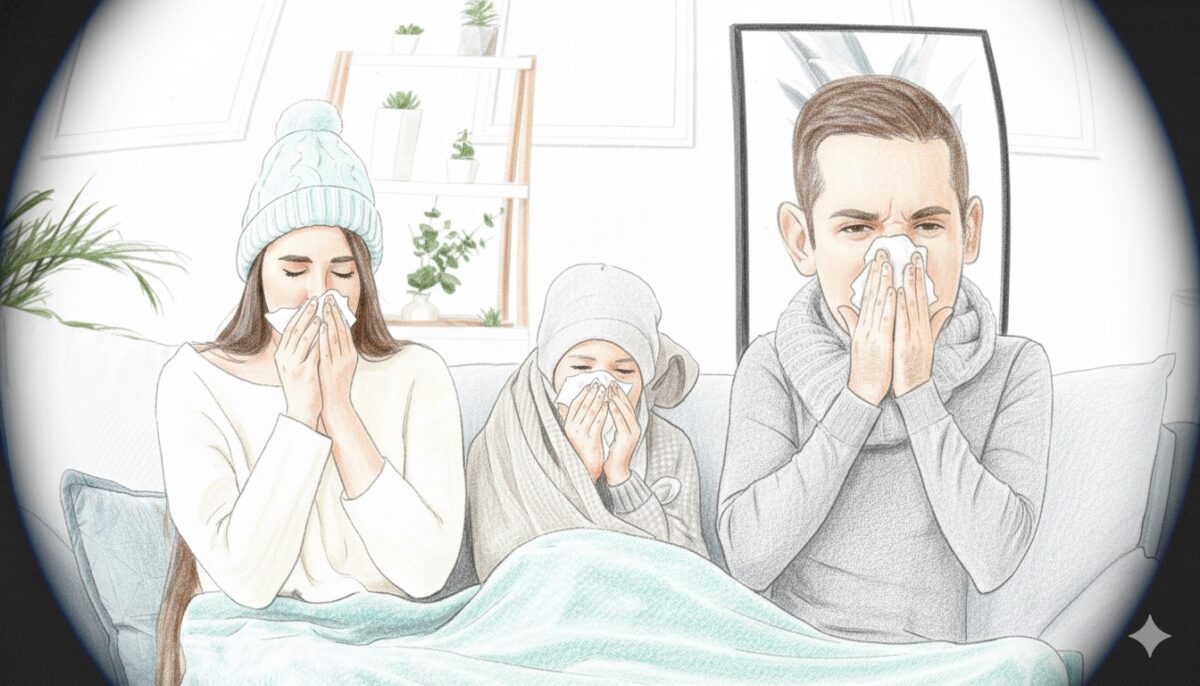
Understanding the Flu at a Glance
Influenza, commonly known as the flu, is a highly contagious viral illness that affects the respiratory system. It tends to arrive abruptly and can disrupt daily life with surprising intensity. While many people recover within a couple of weeks, the flu is far more than a passing inconvenience. It is a systemic assault that mobilizes the immune system and places stress on multiple organs at once.
What Makes the Flu Different From a Common Cold
The flu and the common cold are often conflated, yet they differ in both severity and behavior. Colds usually creep in gradually, bringing mild congestion or a scratchy throat. The flu, by contrast, strikes with velocity. High fever, pronounced body aches, and profound exhaustion are hallmarks that set influenza apart. The flu also carries a higher risk of complications, particularly for vulnerable populations.
How the Influenza Virus Affects the Body
Once inhaled, the influenza virus infiltrates the cells lining the respiratory tract. It hijacks cellular machinery to replicate rapidly, triggering an aggressive immune response. This immune activation releases inflammatory compounds known as cytokines. These substances are responsible for many of the flu’s most uncomfortable symptoms, including fever, aches, and malaise.
Early Warning Signs of the Flu
Flu symptoms rarely tiptoe. They often announce themselves with a sudden sense that something is off. A vague chill. An inexplicable headache. An unusual heaviness in the limbs. These early signals are the body’s first attempt to alert you that an infection is underway.
The First 24 Hours: Subtle Symptoms You Might Miss
During the initial day, symptoms can be deceptively mild. Slight fatigue, minor throat irritation, or sensitivity to light may appear. Appetite often wanes before more obvious symptoms emerge. These understated cues are easy to dismiss, yet they mark the opening act of the illness.
Sudden Onset: Why Flu Symptoms Hit So Fast
Unlike many viral infections, influenza has a compressed incubation period. Once symptoms begin, viral replication accelerates rapidly. The immune system responds in kind, producing a swift and sometimes overwhelming inflammatory reaction. This explains why many people feel relatively fine one moment and profoundly ill the next.
Common Flu Symptoms Most People Experience
While individual experiences vary, several symptoms are consistently reported. Fever, muscle aches, headaches, and fatigue form the core constellation. These symptoms often coexist and reinforce one another, creating a sense of total-body distress.
Fever and Chills: When Your Temperature Spikes
Fever is a defensive mechanism, not a flaw. By raising body temperature, the immune system creates a less hospitable environment for the virus. Chills often accompany fever as muscles contract to generate heat. The sensation can be intense, even when the surrounding environment is warm.
Body Aches and Muscle Pain Explained
Myalgia, or muscle pain, is a signature flu symptom. It stems from systemic inflammation rather than direct muscle injury. Even simple movements can feel laborious. Joints may ache. The body feels weighted, as though gravity itself has increased.
Headaches and Pressure Behind the Eyes
Flu-related headaches often feel deep and persistent. Pressure behind the eyes is common, particularly when fever is present. Dehydration and sinus inflammation can exacerbate this discomfort, making concentration difficult and rest elusive.
Overwhelming Fatigue and Weakness
Fatigue during the flu is not ordinary tiredness. It is a pervasive depletion of energy that sleep does little to resolve. The body diverts enormous resources toward fighting infection, leaving little reserve for physical or mental exertion.
Respiratory Flu Symptoms to Watch For
Because influenza primarily targets the respiratory tract, breathing-related symptoms are prominent. These symptoms can range from irritating to alarming, depending on severity and individual health status.
Dry, Persistent Cough and Chest Discomfort
A dry cough is common and can linger well beyond the acute phase. Chest discomfort may accompany coughing fits, caused by irritated airways and strained muscles. In some cases, coughing becomes the most persistent reminder of the illness.
Sore Throat and Voice Changes
Inflammation of the throat can lead to pain, hoarseness, or a raspy voice. Swallowing may feel uncomfortable. These symptoms often intensify in the early days before gradually receding.
Runny or Stuffy Nose: Less Common but Possible
Nasal symptoms are less dominant in the flu than in colds, yet they still occur. Congestion or rhinorrhea may develop, particularly in children or as the illness progresses.
Digestive and Gastrointestinal Flu Symptoms
Although influenza is a respiratory virus, it can provoke gastrointestinal disturbances, especially in younger individuals. These symptoms add another layer of discomfort and can increase the risk of dehydration.
Nausea, Vomiting, and Loss of Appetite
Nausea often accompanies fever and systemic inflammation. Vomiting is less common in adults but can occur. Appetite suppression is nearly universal, as the body prioritizes immune defense over digestion.
Diarrhea and Stomach Cramps in Certain Cases
Diarrhea and abdominal cramping are more frequently reported in children. These symptoms may be transient but can be distressing and physically draining.
Flu Symptoms in Different Age Groups
Age plays a significant role in how flu symptoms manifest. Immune maturity, underlying health, and physiological resilience all influence the clinical picture.
How Flu Symptoms Present in Children
Children may experience higher fevers, gastrointestinal symptoms, and irritability. They may struggle to articulate discomfort, instead becoming lethargic or unusually fussy. Rapid symptom progression is not uncommon.
Adults often report intense aches, fever, and fatigue. Older adults, however, may have blunted fever responses. Instead, they might experience confusion, weakness, or a sudden decline in functional ability.
In older adults, flu symptoms can look different from what is usually expected. Instead of fever or body aches, they may feel dizzy, fall more often, or seem confused. Because these signs are unusual, the flu may not be recognized right away, which can delay proper care.
Flu Symptoms in High-Risk Individuals
Certain populations face heightened risks from influenza. Symptoms may be more severe, prolonged, or complicated by preexisting conditions.
Symptoms in People With Weakened Immune Systems
Those with compromised immunity may experience muted early symptoms followed by rapid deterioration. Fever may be absent, making vigilance and early evaluation especially important.
Flu Signs During Pregnancy
Pregnant individuals may experience typical flu symptoms but face a higher risk of complications. Fever and respiratory distress require prompt attention, as influenza can affect both parent and fetus.
How Long Flu Symptoms Typically Last
The flu follows a recognizable timeline, though individual variation is considerable. Most people experience peak symptoms within the first few days.
Day-by-Day Timeline of Flu Symptoms
Days one to three are often the most intense, marked by fever, aches, and exhaustion. Days four to seven usually bring gradual improvement. Energy returns slowly. Cough and fatigue may persist beyond the first week.
When Symptoms Start to Improve
Improvement often begins once fever resolves. Appetite slowly returns. Pain diminishes. However, the body may still feel fragile, requiring continued rest.
Symptoms That May Linger After the Flu
Post-viral fatigue and cough can linger for weeks. This residual phase reflects ongoing immune recovery rather than active infection.
Severe Flu Symptoms That Need Attention
Some symptoms signal that the flu has crossed from uncomfortable to dangerous. These require immediate medical evaluation.
High Fever That Won’t Break
A persistently high fever may indicate complications or secondary infection. It should never be ignored, particularly in children or older adults.
Shortness of Breath and Breathing Difficulties
Difficulty breathing, rapid respiration, or bluish lips are red flags. These symptoms suggest significant respiratory involvement.
Chest Pain, Confusion, or Persistent Dizziness
Chest pain may indicate pneumonia or cardiac strain. Confusion and dizziness can signal oxygen deprivation or severe systemic illness.
Flu Symptoms vs. Other Illnesses
Distinguishing influenza from other conditions is essential for appropriate care and prevention.
Flu vs. Cold: Key Symptom Differences
Colds are milder, slower, and largely confined to the upper respiratory tract. The flu is abrupt, intense, and systemic.
Flu Symptoms Compared to COVID-19
While there is overlap, COVID-19 often features loss of taste or smell and a wider range of symptom duration. Testing remains the most reliable way to differentiate.
Distinguishing Flu From Stomach Bugs
Stomach viruses primarily cause gastrointestinal symptoms without prominent respiratory involvement. Fever and body aches are usually less pronounced.
When Flu Symptoms Become Complications
Influenza can pave the way for more serious conditions, particularly when the immune system is taxed.
Signs of Secondary Infections Like Pneumonia
Worsening cough, chest pain, renewed fever, and productive sputum may signal pneumonia. These symptoms warrant urgent care.
Dehydration and Its Warning Signals
Dry mouth, dark urine, dizziness, and reduced urination are signs of dehydration. Fluid balance is critical during illness.
Managing Flu Symptoms at Home
Supportive care plays a central role in recovery. Rest, hydration, and symptom monitoring are foundational.
Monitoring Symptoms and Tracking Changes
Keeping track of fever, breathing, and energy levels helps identify improvement or deterioration. Subtle changes can be meaningful.
Knowing When It’s Time to See a Doctor
Persistent high fever, breathing difficulty, confusion, or worsening symptoms should prompt medical evaluation without delay.
Preventing the Spread While You Have Symptoms
Influenza spreads efficiently, often before symptoms fully emerge. Responsible behavior protects others.
Covering Coughs and Sneezes Effectively
Using tissues or the elbow to contain droplets reduces viral dissemination. Hand hygiene remains essential.
Reducing Contagion During Peak Symptom Days
Staying home, limiting contact, and allowing the body to recover fully are acts of both self-care and public health responsibility.