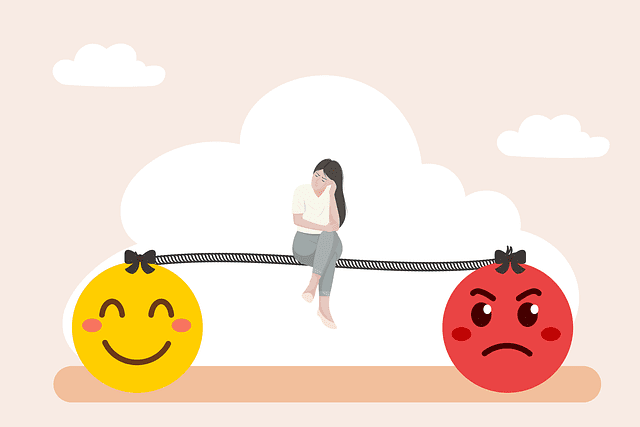
Sleep is often treated as something that should happen automatically once the lights go out. In reality, quality sleep is the result of subtle, repeatable behaviors that prepare the body and mind for rest. Simple nighttime routines act as cues, gently guiding the nervous system from alertness into recovery mode. These routines do not need to be elaborate or time-consuming. Their power lies in consistency and intention.
When evenings lack structure, the brain stays on high alert. Stress hormones linger. Thoughts race. Over time, poor sleep becomes normalized. Thoughtful routines interrupt that cycle and create a dependable bridge between a busy day and restorative rest.
The Science of Sleep in Plain English
Sleep is not a single event. It is a carefully orchestrated biological process involving hormones, brain waves, and internal timing systems. As evening approaches, the body gradually reduces cortisol while increasing melatonin, the hormone responsible for sleepiness. This transition depends heavily on environmental signals and habitual behavior.
When those signals are inconsistent, the process falters. The brain struggles to determine when it is safe to power down. Routines simplify the equation. They create predictability, which the brain interprets as safety.
How Consistent Routines Train the Brain to Power Down
The brain is a pattern-recognition machine. Repetition teaches it what comes next. When the same sequence of actions happens each night, neural associations form quickly. Dim lights, quiet activities, and familiar rituals begin to trigger drowsiness automatically.
Over time, less effort is required to fall asleep. The body anticipates rest. The mind follows.
Common Nighttime Habits That Quietly Sabotage Sleep
Many sleep disruptors hide in plain sight. Late-night scrolling. Irregular bedtimes. Working from bed. Evening caffeine disguised as tea or chocolate. These habits keep the brain stimulated long after the day should be winding down.
The issue is not willpower. It is misalignment. Habits that signal productivity or entertainment conflict with the body’s natural sleep rhythm.
What “Better Sleep” Really Feels Like the Next Day
Better sleep is not just about duration. It is about depth and continuity. Mornings feel lighter. Focus sharpens. Emotional resilience improves. Small irritations lose their intensity. Energy becomes more stable rather than spiking and crashing.
Quality sleep quietly improves every waking hour.
Routine One: Setting a Predictable Sleep and Wake Window
A regular sleep schedule anchors the body’s internal clock. Going to bed and waking up at roughly the same time each day reinforces circadian alignment, even on weekends.
This rhythm creates biological momentum. Sleep arrives more easily and feels more restorative.
Why the Body Loves Consistency More Than Extra Sleep
Sleeping in may feel indulgent, but it often disrupts internal timing. The body values regularity over occasional excess. A stable schedule supports hormone balance, digestion, and cognitive performance.
Consistency is the unsung hero of better sleep.
How Irregular Bedtimes Confuse Your Internal Clock
When bedtime shifts constantly, the brain receives mixed signals. Melatonin release becomes delayed or blunted. Falling asleep takes longer. Sleep quality declines.
The result is a feeling of being tired but wired. A frustrating paradox rooted in biological confusion.
Easy Ways to Reset a Broken Sleep Schedule
Gradual adjustments work best. Shift bedtime by 15 to 30 minutes every few nights. Wake up at the same time regardless of sleep quality. Use morning light exposure to reinforce the new rhythm.
Patience is essential. The clock resets slowly but reliably.
Routine Two: Creating a Wind-Down Ritual That Signals Calm
A wind-down ritual marks the transition from stimulation to stillness. It does not need to be elaborate. It simply needs to be repeatable.
The goal is not entertainment. It is decompression.
The Psychology Behind Pre-Sleep Rituals
Rituals reduce decision fatigue. They provide structure at a time when mental energy is low. Familiar actions soothe the nervous system by reducing uncertainty.
Calm is not forced. It is invited.
Low-Effort Activities That Tell Your Brain It’s Time to Rest
Gentle stretching. Reading a physical book. Listening to soft music. Taking a warm shower. These activities lower physiological arousal without demanding focus.
They create a soft landing for the mind.
Why Doing the Same Things Every Night Actually Helps
Variety stimulates the brain. Repetition reassures it. When evenings follow a familiar pattern, the brain stops anticipating novelty and begins preparing for rest.
Boredom, in this context, is beneficial.
Routine Three: Reducing Light Exposure After Sunset
Light is one of the most powerful regulators of sleep. As daylight fades, the body expects darkness. Artificial light disrupts that expectation.
Managing light exposure is a foundational sleep strategy.
How Artificial Light Disrupts Melatonin Production
Bright and blue-toned light suppresses melatonin. Screens and overhead lighting signal daytime alertness, even late at night.
The brain responds accordingly.
The Hidden Impact of Phone and TV Screens at Night
Beyond light, screens deliver stimulation. Fast-paced visuals and information overload activate cognitive and emotional centers of the brain.
Sleep becomes an afterthought rather than a priority.
Simple Lighting Changes That Make a Big Difference
Switch to warm-toned bulbs. Use lamps instead of overhead lights. Dim screens or avoid them altogether during the last hour of the evening.
Darkness is a biological invitation to rest.
Routine Four: Making the Bedroom a Sleep-Only Zone
The bedroom should reinforce one primary function: sleep. When it becomes a multipurpose space, the brain receives mixed messages.
Clarity improves rest.
Why the Brain Associates Spaces With Behaviors
The brain links environments with actions through conditioning. A bed used for work, scrolling, or stress loses its association with rest.
Reclaiming that association improves sleep efficiency.
How Work, TV, and Stress Creep Into the Bedroom
Laptops on nightstands. Televisions at eye level. Unfinished tasks lingering in thought. These elements subtly raise alertness.
Sleep requires psychological permission to disengage.
Small Bedroom Tweaks That Encourage Deeper Rest
Remove work materials. Keep the room cool, quiet, and dark. Invest in comfortable bedding. Reserve the bed for sleep and intimacy only.
These boundaries matter.
Routine Five: Managing Evening Food and Drink Choices
What is consumed at night influences sleep architecture. Heavy digestion competes with restorative processes.
Timing and composition are key.
How Late Meals Interfere With Sleep Quality
Large meals close to bedtime increase body temperature and metabolic activity. This delays sleep onset and fragments rest.
Earlier dinners support deeper sleep cycles.
Caffeine, Sugar, and Alcohol: The Nighttime Trouble Trio
Caffeine lingers for hours. Sugar spikes energy. Alcohol sedates initially but disrupts REM sleep later.
All three compromise sleep quality in subtle ways.
Gentle Evening Snacks That Support Sleep
Light options such as yogurt, bananas, or oatmeal can stabilize blood sugar without overburdening digestion.
Simplicity works best.
Routine Six: Calming the Mind Before the Head Hits the Pillow
Mental overstimulation is one of the most common sleep barriers. The body may be tired while the mind remains active.
Calming the mind is a learned skill.
Why Mental Chatter Peaks at Bedtime
Distractions fade at night, allowing unresolved thoughts to surface. Worries delayed during the day demand attention in silence.
This is not weakness. It is human nature.
Simple Breathing and Relaxation Techniques
Slow breathing, progressive muscle relaxation, or brief mindfulness practices activate the parasympathetic nervous system.
The body shifts from vigilance to recovery.
Journaling and Brain-Dumping to Reduce Nighttime Anxiety
Writing down thoughts externalizes them. The mind relaxes when it no longer has to hold everything at once.
Clarity replaces rumination.
Routine Seven: Using Movement Wisely During the Day
Daytime activity enhances nighttime rest. Movement regulates stress hormones and improves sleep depth.
Timing, however, matters.
How Daytime Activity Improves Nighttime Sleep
Regular movement increases sleep pressure, making it easier to fall and stay asleep. It also improves mood and energy regulation.
The benefits compound over time.
The Best Time to Exercise for Better Rest
Morning and early afternoon activity align well with circadian rhythms. Evening movement should be gentle and restorative.
Intensity belongs earlier in the day.
Why Late-Night Workouts Can Backfire
Strenuous exercise elevates heart rate and body temperature. These signals delay the onset of sleepiness.
Cooling down takes time.
How Long It Takes for New Sleep Routines to Stick
Most routines take several weeks to feel automatic. Progress may be uneven. This is normal.
Consistency matters more than perfection.
What to Do When Progress Feels Slow
Avoid abandoning routines prematurely. Refine rather than replace. Small adjustments often yield meaningful improvements.
Sleep responds to patience.
Adapting These Routines to Different Lifestyles and Schedules
Shift work, parenting, travel, and demanding schedules require flexibility. Core principles still apply.
Structure can exist even within variability.
How Travel, Stress, and Life Changes Affect Sleep
Temporary disruptions are inevitable. Returning to foundational routines restores balance more quickly.
Sleep is resilient when supported.
When to Seek Extra Help for Ongoing Sleep Problems
Persistent insomnia, excessive daytime fatigue, or sleep-related breathing issues warrant professional evaluation.
Support accelerates solutions.
Turning Simple Routines Into a Lifelong Sleep Habit
Sleep improves when treated as a practice rather than a luxury. Simple routines, repeated nightly, create profound change over time.
Better nights build better days.