Why a Single Word Keeps Us Up at Night
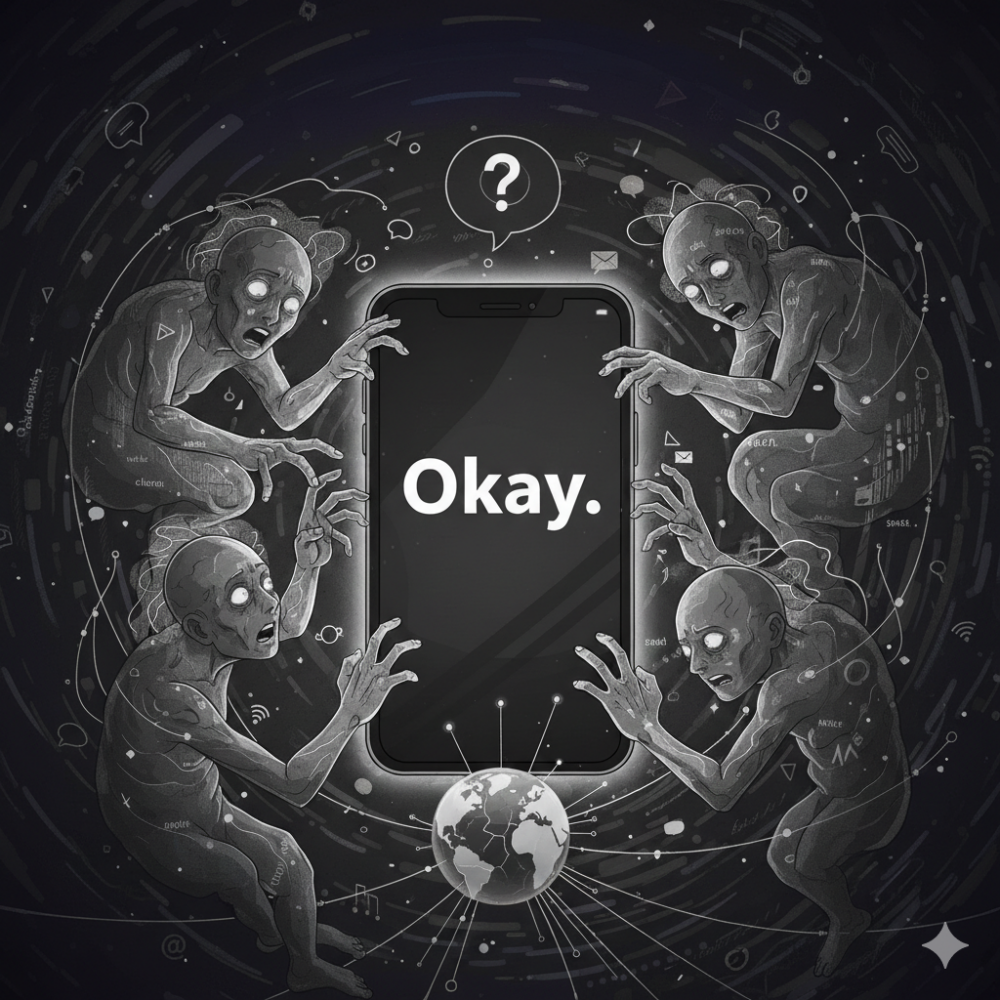
Communication has evolved into a minimalist theater of the absurd. We transmit our deepest anxieties and most mundane updates through a glass pane, often distilled into a single, four-letter word followed by a definitive dot. While linguistically efficient, the term “Okay.” has become a Rorschach test for the modern psyche. We stare at the glowing interface, searching for ghosts in the machine. Why does a confirmation of receipt feel like a closing door?
The Anatomy of an “Okay.”: When Efficiency Meets Anxiety
At its core, “Okay” is a linguistic workhorse designed for frictionless cooperation. It is a verbal nod. However, when stripped of vocal inflection, this utility becomes a vacuum. The succinctness that serves a busy professional can feel like a cold dismissal to a sensitive friend. We find ourselves caught in the friction between digital brevity and emotional depth. Efficiency is the goal, but anxiety is often the byproduct.
The Missing Pulse: Why Digital Text Strips Away Our Social Safety Nets
Human connection relies heavily on paralanguage—the pitch, volume, and tempo that provide a rhythmic heartbeat to our words. Digital text is inherently asystolic; it has no pulse. Without the reassuring curve of a smile or the softening of a tone, a simple acknowledgment feels skeletal. We are biologically wired to seek these cues to ensure social safety. In their absence, the brain sound-checks the silence and often hears a threat.
Beyond the Screen: How Our Brains Invent Subtext to Fill the Silence
Nature abhors a vacuum, and so does the human imagination. When we receive a barren “Okay.”, our minds begin a process of fabulation, weaving intricate narratives to explain the perceived coldness. We aren’t just reading a message; we are directing a psychological thriller where we are the protagonist under fire. This mental embroidery transforms a simple “yes” into a complex “I am upset with you.”
The Tone-Deafness of Technology: Why We Struggle to Read Between the Lines
Algorithms are brilliant at sorting data but abysmal at conveying nuance. Our devices act as a filter that catches the “what” but loses the “how.” This technological flat-lining means that a message sent in a rush looks identical to one sent in anger. We are essentially trying to play a symphony on a single-key piano. The result is a persistent state of semiotic confusion.
The Power of the Full Stop: Is a Period a Professional Boundary or a Passive-Aggressive Blow?
The humble period has undergone a radical semiotic shift. In formal prose, it is a sign of grammatical competence; in a text message, it often functions as a “digital glare.” This terminal punctuation can signal a desire for closure or a simmering resentment. Is the sender being precise, or are they slamming a metaphorical door? The full stop has become the loudest sound in the digital lexicon.
The Psychology of “Projection”: How Our Inner Critic Co-Authors the Messages We Receive
We do not see the world as it is, but as we are. If our internal monologue is currently a critic, we will project that harshness onto every incoming notification. The “Okay.” becomes a mirror reflecting our own insecurities. We co-author the messages we receive, often imbuing them with the very criticisms we fear most about ourselves. The screen is merely a canvas for our own psychological shadows.
Cultural Nuance and the Generation Gap: What “Okay” Means to a Boomer vs. a Gen Z-er
Digital literacy is not a monolith. For older generations, the period is a standard sign-off, a mark of completion that carries no emotional weight. For younger cohorts, the absence of an emoji or a trailing ellipsis signals a lack of warmth. This intergenerational semiotic friction creates unnecessary conflict. One person’s “proper grammar” is another person’s “hostile vibes.”
The Echo Chamber of Overthinking: How One Word Triggers a Spiral of Self-Doubt
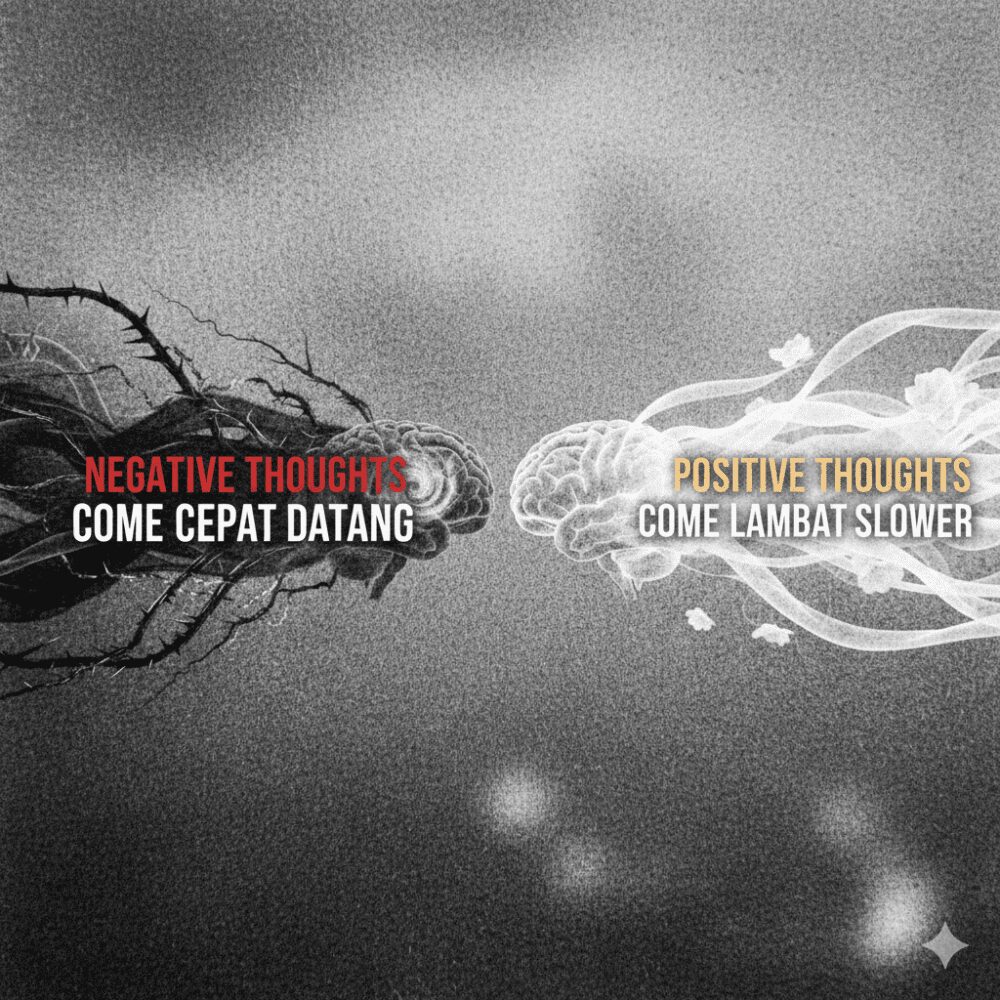
Overthinking is a recursive loop. Once the “Okay.” is perceived as negative, the mind begins an archaeological dig of past interactions to find supporting evidence. We ruminate on every joke that might have flopped or every perceived slight from three weeks ago. This cognitive spiral feeds on itself, turning a tiny spark of doubt into a forest fire of certainty.
Attachment Styles in the Digital Age: Why Some See a Confirmation and Others See a Rejection
Our early developmental blueprints dictate how we interpret distance. Those with an anxious attachment style are hyper-vigilant toward signs of abandonment, seeing “Okay.” as a precursor to silence. Conversely, those with a secure attachment see it as a functional green light. Our phones are essentially testing our emotional resilience with every buzz.
The Speed of Response: Does a Fast “Okay” Feel Different Than a Delayed One?
Latency is a language of its own. An immediate “Okay.” might suggest a clipped, impatient dismissal. A delayed “Okay.” can feel like a calculated withdrawal or a sign that the sender had to “calm down” before responding. We treat the timestamp as a diagnostic tool, trying to measure the sender’s emotional state by the seconds elapsed on the clock.
Breaking the Code: Common Misinterpretations That Lead to Unnecessary Drama
Misunderstanding is the default setting of text-based communication. We often mistake brevity for bitterness and conciseness for contempt. These cognitive distortions lead to defensive replies, which in turn spark genuine conflict. Most “text fights” are actually battles against ghosts—misinterpretations of a tone that was never actually there.
Navigating the “K” vs. “OK” vs. “Okay” Hierarchy: A Field Guide to Modern Affirmations
There is a subtle taxonomy to the affirmative. The “K” is the nuclear option, often seen as the peak of dismissiveness. “OK” is the middle ground—stark, but functional. “Okay” (without the period) feels softer, more conversational. Navigating this hierarchy requires the skill of a linguistic cartographer, as we map out the perceived warmth of each variation.
From Panic to Perspective: Cognitive Reframing Techniques for Better Texting
To survive the digital landscape, we must practice cognitive reframing. Instead of assuming the “Okay.” is a verdict, we can view it as a placeholder. We must remind ourselves that we lack the data necessary to form a conclusion. Shifting from “They are mad” to “They are busy” is a radical act of self-preservation that halts the overthinking cycle.
The Case for Radical Clarity: How to Use Your Words (So Others Don’t Have to Guess)
The antidote to overthinking is intentionality. If we know a period can be misconstrued, we can opt for a “sounds good!” or a simple “will do.” Radical clarity involves taking responsibility for the emotional temperature of our messages. By adding a small amount of descriptive “padding,” we remove the burden of interpretation from the receiver.
Reclaiming Your Peace: Setting Personal Boundaries Around Digital Validation
At some point, we must decouple our self-worth from the blue bubbles on our screens. Our peace of mind is too valuable to be held hostage by a four-letter word. Setting boundaries—such as not checking messages when we are already feeling vulnerable—is essential. We must learn to trust the relationship more than the punctuation.