The Comparison Instinct: A Quiet Force Shaping Everyday Life
Comparison rarely announces itself. It hums beneath daily thoughts, nudging perceptions of success, beauty, intelligence, and worth. It is subtle, habitual, and deeply human. From casual glances to silent mental tallies, comparison shapes how people see themselves and others—often without conscious permission.
Defining Social Comparison in Plain Terms
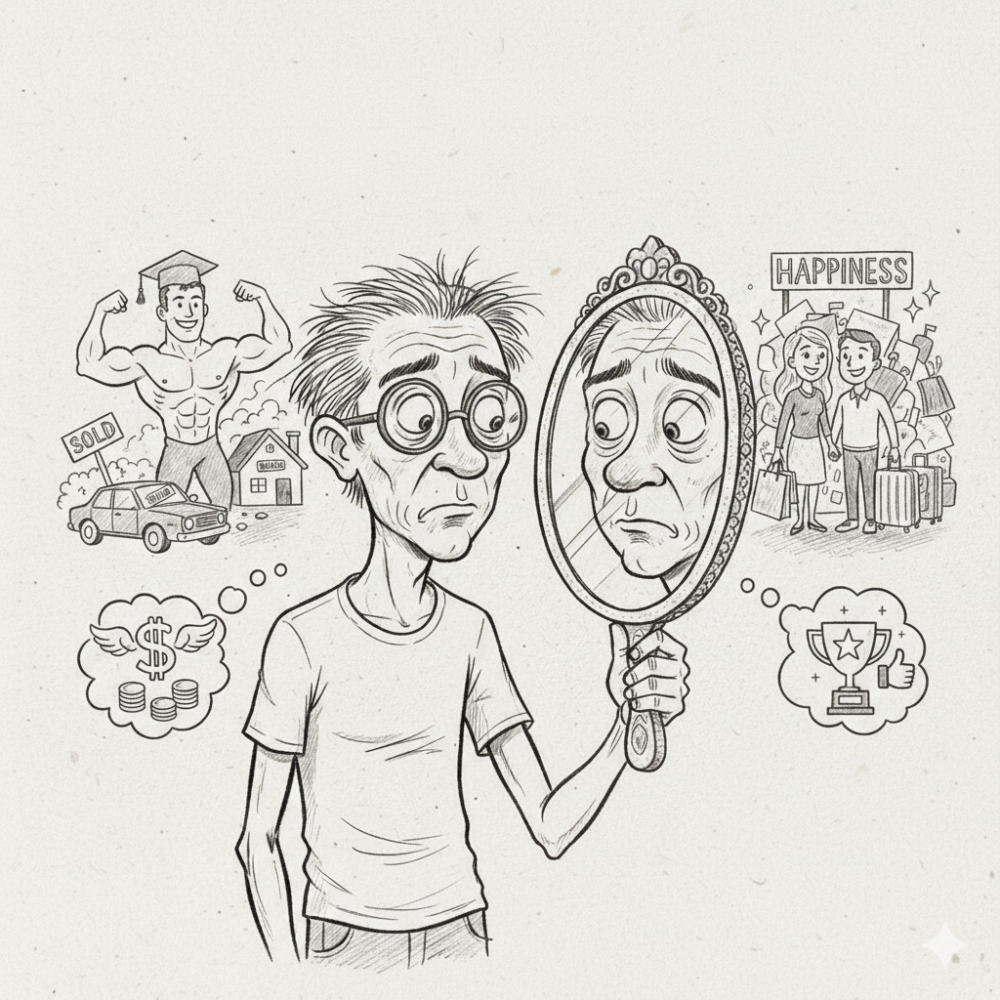
Social comparison is the act of evaluating oneself in relation to others. It happens instinctively. Income against income. Appearance against appearance. Achievement against achievement. Sometimes it provides context. Sometimes it quietly corrodes confidence. At its core, it is a mental shortcut used to understand where one stands in the social landscape.
Long before mirrors and metrics, humans compared skills, strength, and status within small groups. These assessments helped determine leadership, mating prospects, and survival roles.The instinct remains, but the scale is unprecedented.
The Evolutionary Roots of Comparison
Comparison did not emerge by accident. It was forged under pressure, shaped by necessity, and refined through generations of survival challenges.
Survival, Status, and the Early Human Brain
Early humans needed to quickly assess who was stronger, faster, or more resourceful. Such judgments guided cooperation and caution. The brain evolved to scan social hierarchies efficiently, embedding comparison into neural circuitry long before abstract thought took center stage.
Why Ranking Others Once Kept People Alive
Knowing where one stood reduced risk. Challenging the wrong rival could be fatal. Aligning with the strongest increased safety. Comparison functioned as an internal compass, orienting behavior toward preservation rather than peril.
Psychology Steps In: What Science Says About Comparison
Modern psychology has given language and structure to this ancient habit, transforming intuition into theory.
The Social Comparison Theory Explained
Proposed in the mid-20th century, social comparison theory suggests that people evaluate themselves based on others when objective measures are absent. When no clear yardstick exists, peers become proxies. The mind fills gaps with relative judgments.
Upward vs. Downward Comparison and How Each Feels
Upward comparison involves measuring oneself against those perceived as better off. It can inspire or deflate. Downward comparison, by contrast, focuses on those perceived as worse off, often providing temporary reassurance. Both serve emotional functions, neither entirely benign.
The Emotional Payoff and the Emotional Cost
Comparison is a double-edged instrument. It can sharpen ambition or carve insecurity.
Motivation, Inspiration, and the Push to Improve
Seeing others succeed can ignite aspiration. It offers proof of possibility. In healthy doses, comparison becomes a catalyst, urging growth and refinement rather than resignation.
Envy, Shame, and the Anxiety Loop
Unchecked, comparison spirals. Envy festers. Shame settles in. The mind loops endlessly, replaying perceived inadequacies. What begins as observation morphs into self-indictment.
Comparison and Identity Formation
Identity does not form in isolation. It is shaped through contrast and reflection.
Measuring the Self Through Other People
People often define who they are by who they are not. Peers become mirrors, reflecting traits to adopt or reject. Over time, this relational self-concept solidifies, sometimes at the expense of authenticity.
How Comparison Shapes Self-Esteem Over Time
Repeated unfavorable comparisons erode self-esteem incrementally. Favorable ones can inflate it just as artificially. Either way, worth becomes conditional, tethered to external benchmarks rather than internal values.
The Role of Culture and Society
Comparison is not merely personal. It is cultural, reinforced by norms and narratives.
Individualistic vs. Collectivist Views on Comparison
In individualistic societies, comparison often centers on personal achievement and distinction. In collectivist cultures, it leans toward social harmony and role fulfillment. The instinct is universal; its expression is not.
Success Metrics That Society Quietly Enforces
Income, titles, appearance, productivity. These metrics are rarely questioned, yet constantly internalized. Society provides the scoreboard, even when no one asked for the game.
Comparison in the Age of Social Media
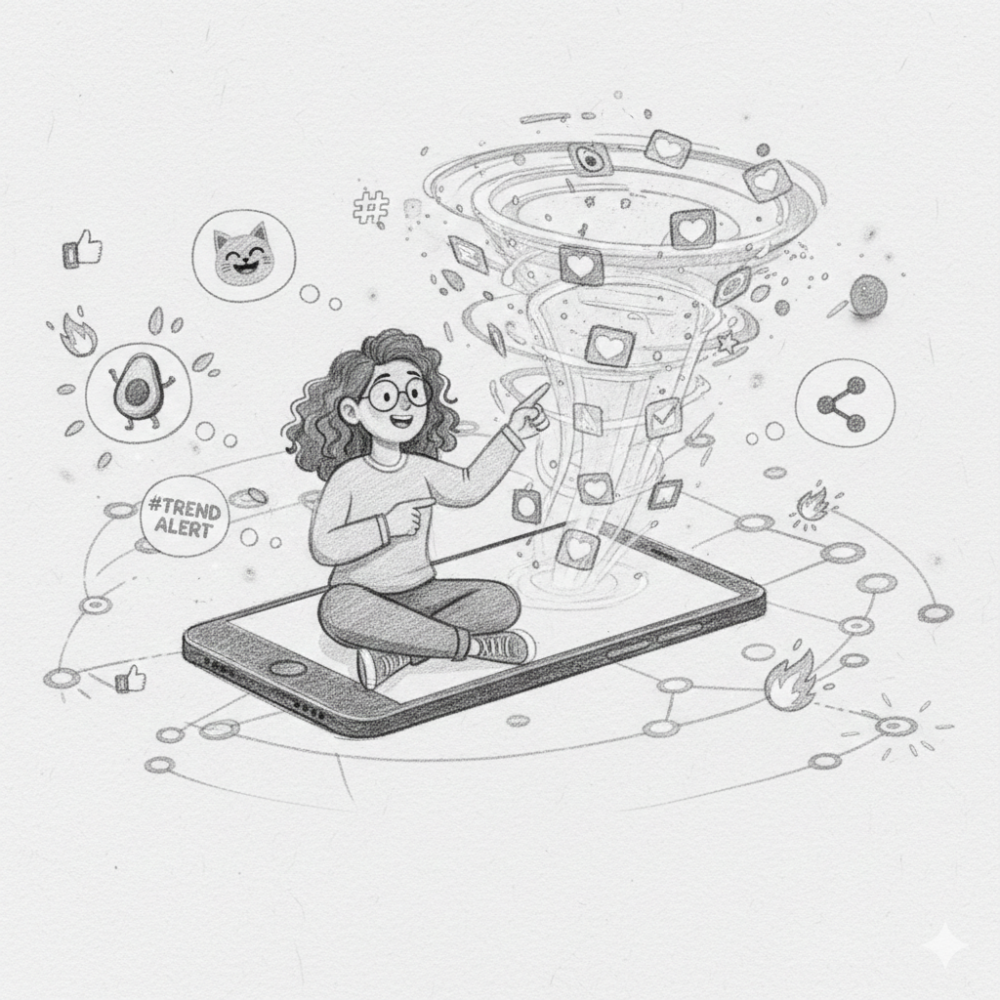
Digital platforms have transformed comparison from occasional to omnipresent.
Curated Lives and Highlight Reels
Online personas are meticulously edited. Joy is amplified. Struggle is muted. The result is a distorted reality where others appear perpetually successful, effortlessly fulfilled.
Algorithms That Amplify Insecurity
Algorithms reward engagement, not well-being. Content that provokes envy or aspiration often travels furthest. The more comparison it sparks, the longer attention lingers.
Why Comparison Hits Harder Online
The digital environment intensifies an already potent instinct.
Visual Platforms and the Illusion of Perfection
Images bypass rational filters. They land viscerally. A single photo can undo hours of self-acceptance, presenting perfection without context or cost.
The Speed and Scale of Digital Comparison
Comparison now happens in seconds, across continents. The brain, evolved for small groups, struggles to process this barrage without distortion.
Gender, Age, and Comparison Patterns
Comparison does not affect everyone equally.
How Comparison Manifests Differently Across Genders
Social expectations shape focus areas. Appearance, success, emotional expression—each gender is nudged toward specific comparison scripts, often reinforced from an early age.
Why Teens and Young Adults Are Especially Vulnerable
Identity is still under construction during adolescence and early adulthood. Comparison during this period carries more weight, influencing confidence trajectories that can last decades.
Comparison at Work and in School
Institutions often formalize comparison, embedding it into systems.
Competition, Performance, and Professional Identity
Rankings, reviews, and accolades create constant evaluation. While intended to motivate, they can also reduce individuals to metrics, eclipsing nuance and context.
Grades, Promotions, and the Constant Scorekeeping
From classrooms to boardrooms, progress is tracked publicly or implicitly. Achievement becomes relative, not absolute, fostering perpetual comparison.
The Neuroscience Behind Comparison
The brain responds to comparison with chemical precision.
Dopamine, Reward Systems, and Social Feedback
Positive comparison triggers dopamine, reinforcing the behavior. Negative comparison activates stress responses. The brain learns quickly, even when the lesson is harmful.
What Brain Scans Reveal About Envy and Pride
Neuroimaging shows that envy and pride activate overlapping regions. The brain processes social rank similarly to physical reward, underscoring how deeply comparison is wired.
When Comparison Becomes a Habit
At some point, comparison stops being occasional and becomes automatic.
The Subtle Slide Into Chronic Self-Judgment
Thoughts begin defaulting to evaluation. Every interaction becomes data. The inner monologue grows harsher, less forgiving.
Signs That Comparison Is Running the Show
Persistent dissatisfaction. Difficulty celebrating others. A sense that success is always elsewhere. These are quiet indicators that comparison has taken the wheel.
Healthy vs. Unhealthy Comparison
Not all comparison is corrosive. Discernment matters.
Using Others as Information, Not Verdicts
Healthy comparison extracts insight without assigning worth. It asks, “What can be learned?” rather than “What is lacking?”
Drawing the Line Between Growth and Self-Criticism
Growth-oriented comparison is specific and temporary. Self-critical comparison is global and enduring. The difference lies in intention and tone.
The Role of Parenting and Early Experiences
Comparison habits often begin at home.
How Childhood Feedback Shapes Comparison Tendencies
Praise that emphasizes ranking fosters external validation. Feedback focused on effort and curiosity cultivates internal benchmarks.
Praise, Pressure, and Performance Scripts
Children absorb unspoken scripts about success. Over time, these scripts dictate how comparison is interpreted—either as guidance or judgment.
Media, Advertising, and the Business of Comparison
Comparison is profitable.
Selling Aspirations by Highlighting Gaps
Advertising thrives on perceived deficiency. It subtly suggests that fulfillment is one purchase away, contingent on closing a gap revealed through comparison.
Why “Not Enough” Is a Profitable Feeling
Insecurity fuels consumption. The more comparison stings, the more solutions seem necessary.
Philosophical Takes on Comparison
Long before psychology, philosophy grappled with comparison’s consequences.
Ancient Wisdom on Desire and Contentment
Stoic and Buddhist traditions warned against measuring life through others. Contentment, they argued, dissolves comparison’s grip.
Modern Thinkers on the Trap of Relative Worth
Contemporary philosophy echoes this concern, noting that relative worth is endlessly unstable. There is always someone ahead, somewhere else.
Can Humans Stop Comparing Altogether?
The instinct is resilient, but not immutable.
Why Comparison Is Unlikely to Disappear
It is embedded in cognition and culture. Erasing it would mean rewriting human psychology.
Reframing Comparison Instead of Eliminating It
Awareness softens its impact. Comparison can be redirected from judgment toward understanding.
Practical Awareness: Noticing the Comparison Reflex
Change begins with noticing.
Common Triggers in Daily Life
Social media, reunions, professional milestones. These moments often ignite comparison reflexively.
Pausing the Automatic Mental Scorecard
A brief pause creates space. In that space, perspective returns.
The Bigger Question: What Comparison Says About Being Human
Comparison reveals more than insecurity. It reveals longing.
The Search for Belonging and Meaning
At its heart, comparison asks, “Do I belong?” It is less about superiority and more about connection.
Comparison as a Mirror, Not a Measure
When treated as a mirror, comparison reflects values and desires. When treated as a measure, it distorts worth. The difference defines its power—and its peril.