Why a Tiny Moment Can Hijack an Entire Day
It often begins innocently. A fleeting comment. A missed bus. A notification that lands at the wrong second. On the surface, nothing monumental has occurred. Yet somehow, the emotional residue lingers, quietly tinting every interaction that follows. By midday, the mood feels spoiled. By night, the day is written off as “bad,” all because of something almost embarrassingly small.
This phenomenon is not a personal flaw. It is a deeply human pattern.
The Psychology of Small Triggers and Big Emotional Ripples
Human emotion does not operate on a proportional scale. The psyche responds less to the objective size of an event and more to its symbolic weight. A trivial trigger can unleash an outsized emotional response when it taps into underlying tension, unmet needs, or accumulated stress. The ripple is rarely about the stone itself, but about the water it disturbs.
How the Brain Decides What Matters and What Doesn’t
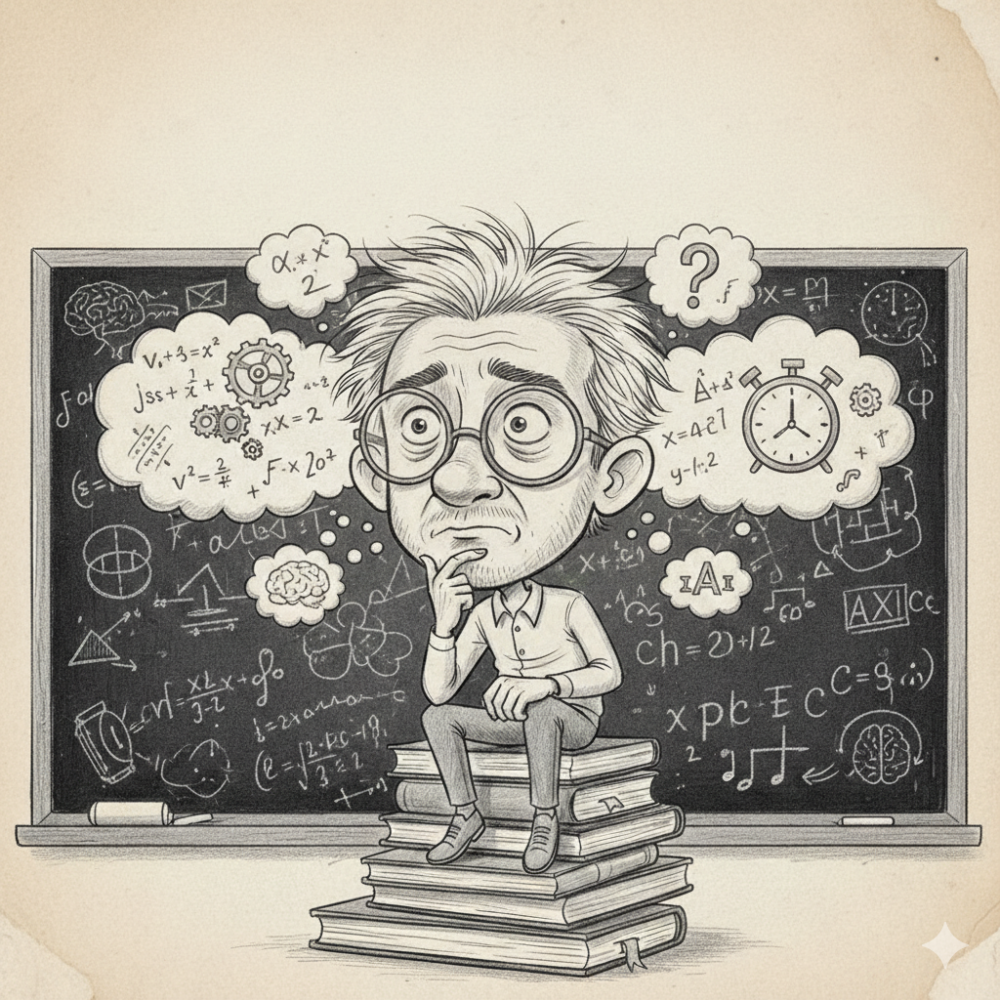
The brain is a relentless filter. Every second, it decides what deserves attention and what can be safely ignored. These decisions are shaped by prior experience, emotional memory, and survival instincts rather than logic. What seems inconsequential in hindsight may have been flagged as salient in the moment because it echoed a past threat or reinforced an internal narrative.
When the Mind Treats Trivial Events as Threats
The nervous system has little patience for nuance. It evolved to prioritize speed over accuracy. When a situation vaguely resembles danger—social rejection, loss of control, unpredictability—the brain may trigger a defensive response. The body reacts first. Reason follows, often too late to prevent the mood from tipping.
The Mood as a Fragile Ecosystem, Not a Fixed State
Mood is not a single emotion but a dynamic ecosystem. Sleep quality, blood sugar, ambient stress, social context, and mental load all interact continuously. In such a delicate system, even a minor disruption can throw the balance off. The idea of emotional stability as a permanent state is a comforting myth.
Why Emotions Are More Contagious Than Thoughts
Thoughts require interpretation. Emotions spread instantly. A sigh from a colleague, a sharp tone from a stranger, or visible impatience in a room can be absorbed without conscious consent. Emotional contagion bypasses rational defenses, subtly recalibrating one’s internal state.
The Morning Effect: How Early Moments Set the Tone
The first hours of the day carry disproportionate influence. In the morning, cognitive resources are still calibrating, and expectations for the day are forming. A negative early encounter can become an emotional anchor, shaping perception long after the original trigger has passed.
A Spilled Coffee and the Domino Theory of Mood
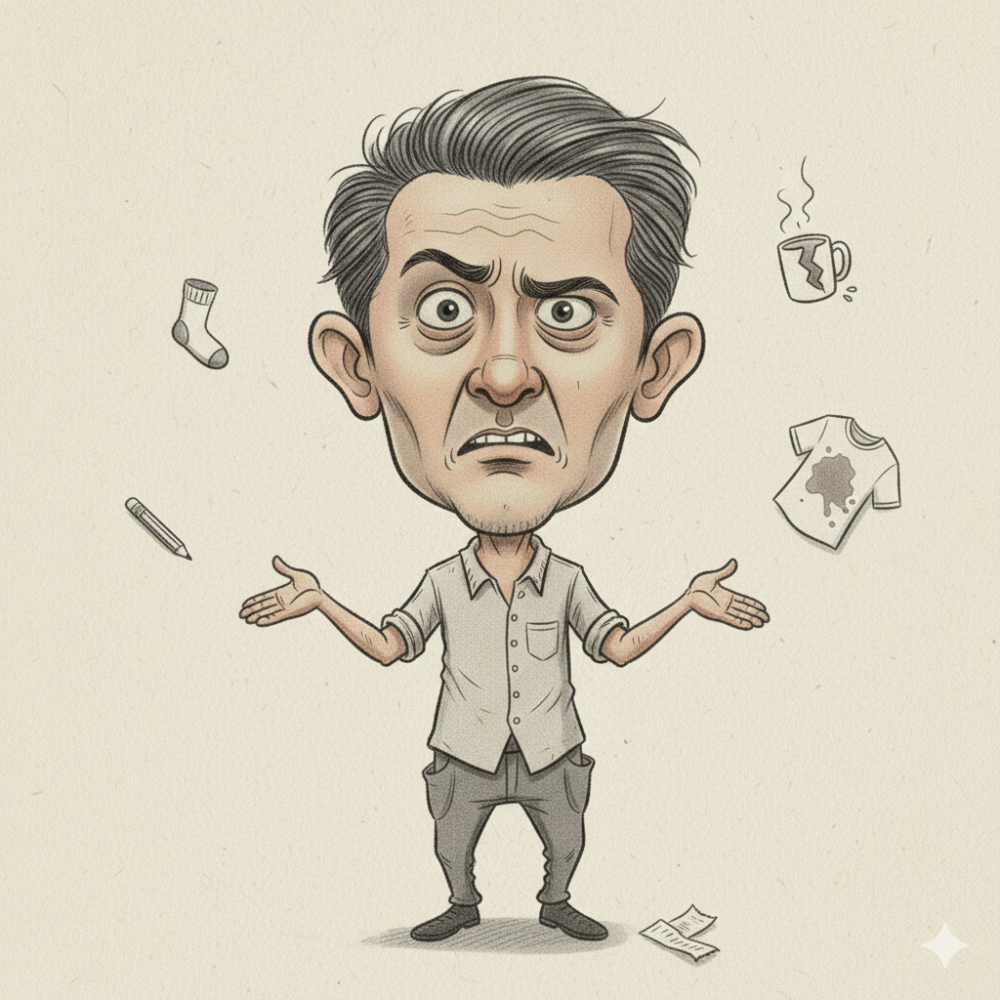
One inconvenience rarely travels alone. A small mishap can initiate a chain reaction: irritation leads to distraction, distraction leads to mistakes, mistakes confirm frustration. The original event becomes the justification for a series of emotional dominos, each reinforcing the last.
The Role of Expectation in Emotional Overreaction
Expectation is a silent architect of disappointment. When reality deviates from the internal script—how the morning “should” go, how people “should” behave—the gap generates friction. The larger the expectation, the sharper the emotional response when it collapses.
When Reality Clashes With the Script in Your Head
Much of daily frustration arises not from events themselves but from violated assumptions. The mind clings to narratives of control and predictability. When reality refuses to cooperate, the emotional backlash can feel personal, even when no intent exists.
Micro-Stressors and the Death by a Thousand Cuts Effect
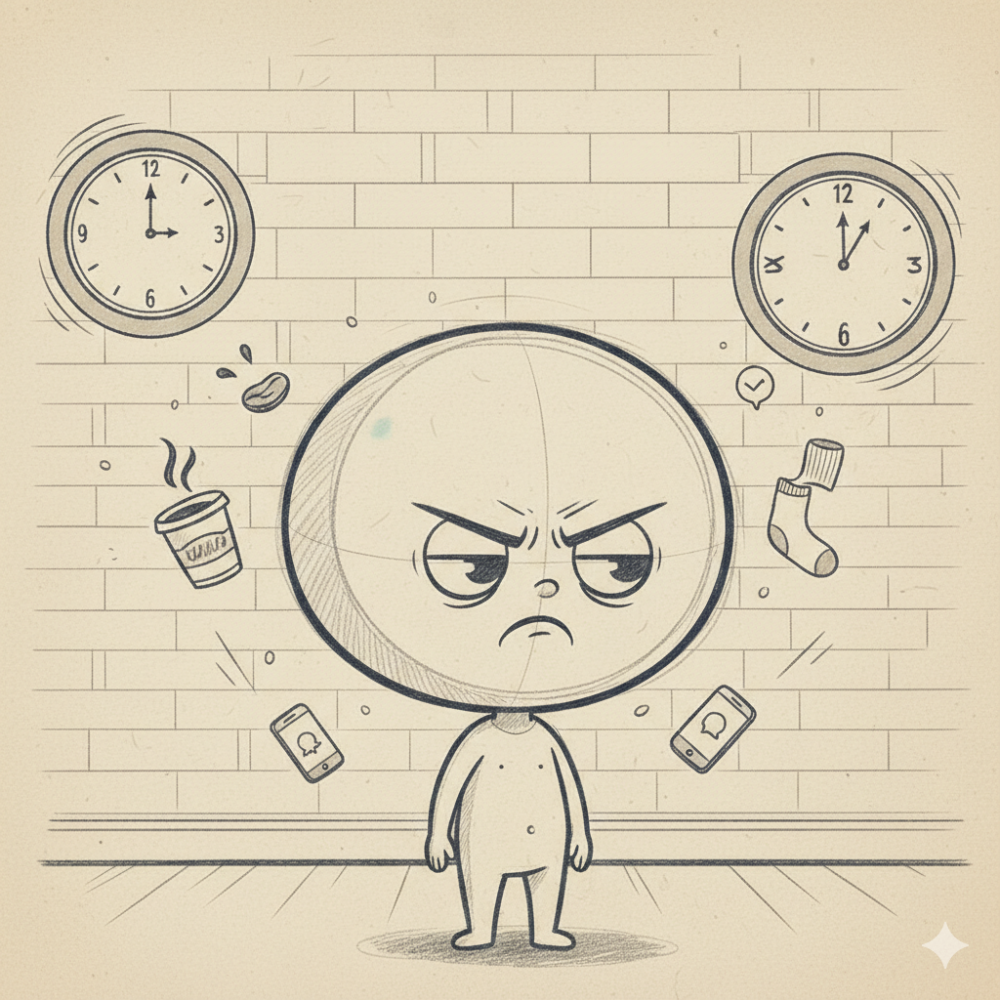
Rarely is a day ruined by a single event. More often, it is eroded by a succession of micro-stressors: background noise, time pressure, unresolved tasks, social friction. Individually tolerable, collectively exhausting, they leave the nervous system primed to overreact.
Why Minor Annoyances Feel Personal
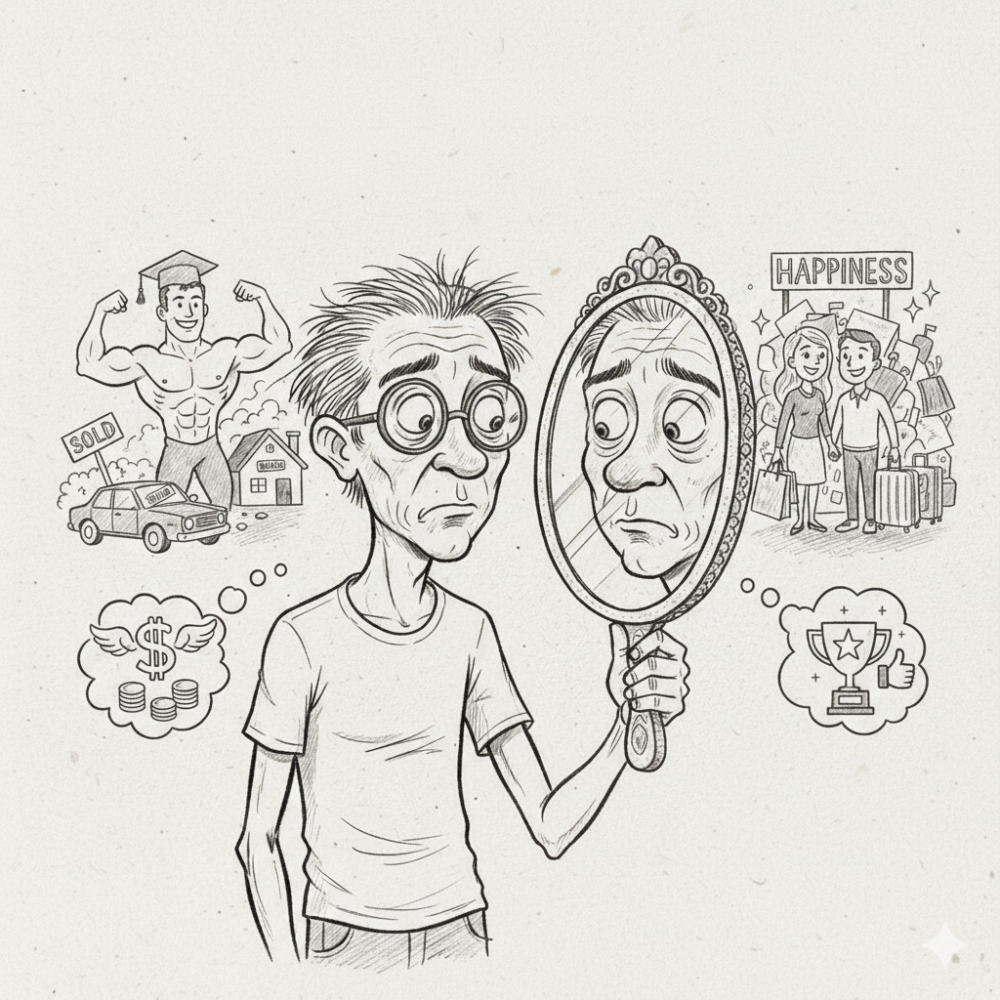
Small irritations often bypass logic and strike at identity. Being interrupted may feel like being dismissed. A delay may feel like disrespect. These interpretations transform neutral events into perceived slights, intensifying the emotional response.
The Hidden Power of Cognitive Biases
The mind is not an impartial observer. It is riddled with biases that distort perception, especially under stress. These biases quietly shape which moments are remembered, amplified, or interpreted as meaningful.
Negativity Bias and the Brain’s Obsession With the Bad
Negative experiences are neurologically sticky. The brain assigns them greater importance as a protective measure. One unpleasant moment can overshadow several neutral or positive ones, creating the illusion that the entire day was defined by what went wrong.
Confirmation Bias and the Stories We Tell Ourselves
Once a mood takes hold, the mind looks for evidence to support it. Small inconveniences are collected as proof that the day is cursed, people are inconsiderate, or things never go smoothly. The story hardens, even as contradictory evidence appears.
Emotional Memory and Why Small Things Stick
Emotional memory operates independently of logic. It remembers how something felt, not how significant it was. A fleeting embarrassment or irritation can be stored with surprising clarity, resurfacing later to influence mood without conscious recall.
Why the Body Reacts Before the Mind Catches Up
Emotion is embodied. Heart rate changes, muscles tense, breathing shifts—all before a coherent thought forms. By the time the mind analyzes the situation, the body may already be in a state of agitation, dragging perception along with it.
Stress Hormones and the Snowball Effect
Cortisol and adrenaline do not dissipate instantly. Once released, they linger, sensitizing the system. Subsequent stimuli, even mild ones, are processed through an already activated stress response, amplifying their emotional impact.
The Link Between Fatigue and Emotional Sensitivity
Tiredness narrows emotional tolerance. When cognitive energy is depleted, the brain defaults to shortcuts and emotional reflexes. Trivial issues that might otherwise be brushed off gain unexpected gravity.
Social Factors That Amplify Tiny Mood Shifts
Human emotions are relational. Social context determines whether a moment feels safe or threatening. A neutral comment can sting more when delivered in public or by someone whose opinion carries weight.
How Other People’s Moods Become Your Problem
Emotional boundaries are porous. Exposure to frustration, anxiety, or cynicism—especially from close contacts—can subtly recalibrate one’s own mood. The source of irritation may not even belong to the person experiencing it.
The Fear of Judgment Behind Small Emotional Triggers
Many minor triggers activate a deeper fear: being judged, excluded, or misunderstood. These social anxieties are ancient and powerful, capable of transforming small moments into emotional flashpoints.
Digital Life and the Age of Constant Micro-Irritations
Modern life offers endless opportunities for low-grade emotional disruption. Slow-loading pages, ambiguous messages, unseen replies. Each is minor. Together, they create a constant hum of irritation that erodes emotional resilience.
Notifications, Comments, and Silent Emotional Drains
Digital interactions lack context and tone, inviting misinterpretation. A delayed response can spark insecurity. A brief comment can feel dismissive. The absence of clarity becomes its own emotional trigger.
Why Emotional Regulation Is Harder Than It Sounds
Regulating emotion is not about suppression. It requires awareness, timing, and energy. In moments of stress, these resources are often scarce. Expecting constant emotional mastery ignores the biological limits of the human system.
The Difference Between Feeling and Interpreting
An emotion is a signal. Interpretation is the story built around it. Confusing the two turns transient feelings into fixed conclusions. A moment of irritation becomes evidence of a ruined day.
How Meaning Gets Assigned to Meaningless Moments
The mind abhors randomness. It assigns meaning to create coherence. A trivial event becomes symbolic, standing in for broader frustrations or unmet needs that have been waiting for expression.
Small Events as Symbols of Bigger Inner Conflicts
Often, the reaction is not about the event at all. It is about control, exhaustion, resentment, or dissatisfaction seeking an outlet. The small moment simply provides a socially acceptable excuse.
What a Bad Mood Is Often Really About
Behind many bad moods lies a quieter truth: overload, loneliness, pressure, or misalignment. The trivial trigger is merely the messenger, not the message.
Awareness as the First Line of Emotional Defense
Noticing the moment when mood begins to shift creates space. Awareness does not eliminate emotion, but it interrupts the automatic escalation that turns minutes into days.
Catching the Moment Before It Becomes the Day
A pause, a breath, a reframed thought. Small interventions matter most when applied early. Once the narrative hardens, it becomes harder to dislodge.
Reframing Trivial Events Without Gaslighting Yourself
Reframing is not denial. It is a gentle correction. Acknowledging irritation while questioning its scale allows emotion to move through without taking over.
Building Emotional Resilience One Small Moment at a Time
Resilience is not built during crises but in mundane moments. Each time a small trigger is met with curiosity instead of catastrophe, emotional capacity expands.
Why Tiny Mood Shifts Are Part of Being Human
Sensitivity to small moments is not weakness. It reflects a nervous system finely attuned to the environment. Learning to live with this sensitivity—rather than fighting it—allows for greater emotional fluency and compassion, both inward and outward.