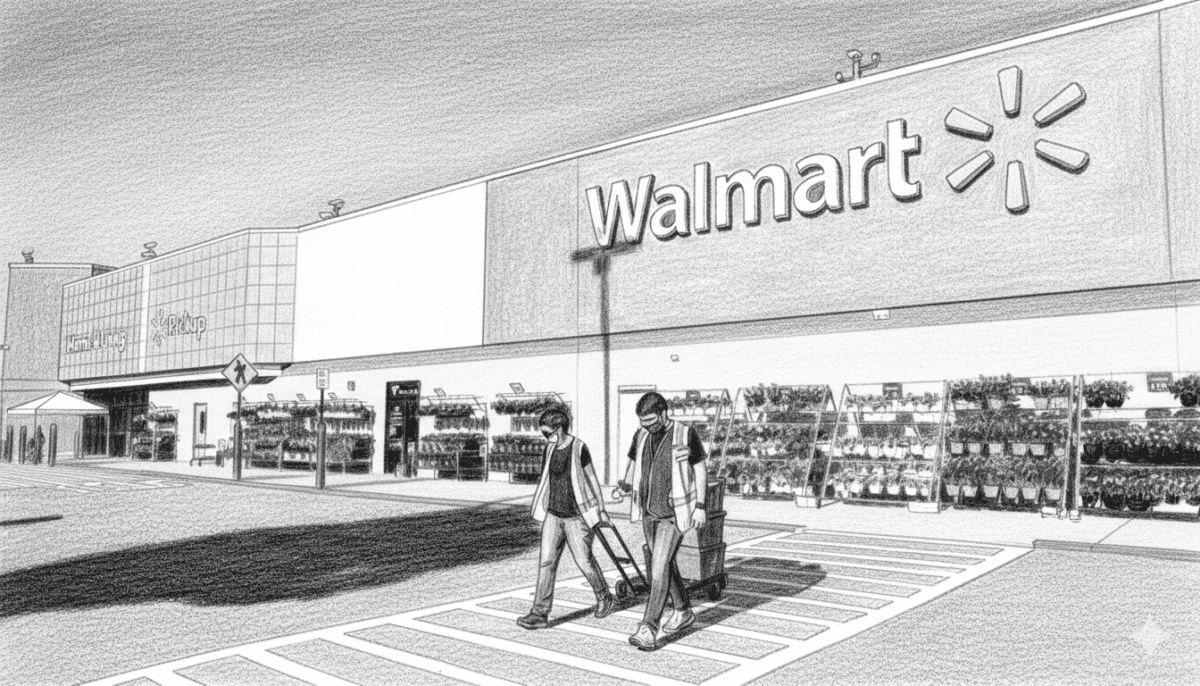
Walmart is more than a place to shop. It is an institution woven into the daily rhythms of millions of households around the world. From weekly grocery runs to last-minute essentials, Walmart has positioned itself as a dependable constant, offering convenience, affordability, and sheer scale. Its influence extends far beyond retail aisles, shaping supply chains, labor markets, and consumer expectations in subtle yet profound ways.
The Origins of Walmart and Sam Walton’s Vision
The Walmart story begins with Sam Walton, a pragmatic entrepreneur with an unorthodox belief: lower prices could generate higher volume and lasting loyalty. In 1962, Walton opened the first Walmart store in Rogers, Arkansas, guided by a simple but powerful ethos—serve customers better than anyone else. His vision was grounded in frugality, operational discipline, and a deep respect for everyday shoppers.
How a Small-Town Store Became a Global Powerhouse
What started as a regional experiment quickly became a national phenomenon. Walmart’s expansion strategy favored underserved rural and suburban areas, allowing it to dominate markets competitors often ignored. Over time, methodical growth, relentless efficiency, and a scalable operating model propelled Walmart onto the global stage, transforming it into one of the largest corporations in history.
Walmart’s Core Business Model Explained
At its core, Walmart operates on a high-volume, low-margin model. Profitability is achieved not through premium pricing, but through velocity and scale. Massive purchasing power enables the company to negotiate favorable terms with suppliers, passing savings directly to consumers while maintaining operational sustainability.
Everyday Low Price Philosophy and What It Means for Shoppers
The “Everyday Low Price” promise is not a marketing slogan. It is an operational doctrine. By minimizing promotional cycles and stabilizing prices year-round, Walmart reduces complexity and builds trust. Shoppers know what to expect. No guesswork. No inflated list prices followed by artificial discounts.
Walmart’s Product Categories and Merchandise Strategy
Walmart’s assortment strategy is intentionally expansive. The goal is to be a one-stop destination for nearly every household need. This breadth encourages frequent visits and larger basket sizes, reinforcing Walmart’s role as a primary shopping hub rather than a specialty retailer.
Groceries, Essentials, and Private Label Brands
Groceries form the backbone of Walmart’s business. Fresh produce, pantry staples, and household essentials drive consistent foot traffic. Complementing national brands are private labels like Great Value and Equate, designed to deliver quality at a lower cost while improving margins and customer loyalty.
Electronics, Apparel, and Home Goods Expansion
Beyond essentials, Walmart has steadily elevated its offerings in electronics, apparel, and home goods. Strategic partnerships, exclusive brands, and improved design aesthetics have helped reshape perceptions, attracting shoppers who once overlooked Walmart for discretionary purchases.
The Walmart Store Formats You See Today
Walmart’s physical presence is anything but uniform. Different store formats cater to diverse shopping behaviors, urban densities, and regional needs, ensuring relevance across demographics.
Supercenters, Discount Stores, and Neighborhood Markets
Supercenters combine groceries and general merchandise under one roof, while discount stores focus on core essentials. Neighborhood Markets offer a smaller, grocery-centric footprint, ideal for quick trips and urban environments. Each format serves a specific purpose within the broader ecosystem.
Sam’s Club and Walmart’s Membership-Based Retail Strategy
Sam’s Club represents Walmart’s foray into membership retail. Bulk pricing, curated assortments, and exclusive benefits appeal to small businesses and value-driven consumers. It is a complementary channel that deepens Walmart’s reach without diluting its core brand.
Walmart’s Supply Chain and Logistics Advantage
Few organizations rival Walmart’s logistical prowess. Its supply chain is a finely tuned apparatus designed to move goods swiftly, efficiently, and at minimal cost.
Distribution Centers and Inventory Management at Scale
Strategically located distribution centers act as the backbone of Walmart’s operations. Advanced inventory management systems ensure optimal stock levels, reducing waste while maintaining availability across thousands of stores.
Technology and Automation Behind Fast Restocking
Automation, robotics, and real-time data analytics enable rapid restocking and demand forecasting. This technological infrastructure minimizes disruptions and keeps shelves replenished, even during periods of heightened demand.
Walmart’s E-Commerce Evolution
E-commerce has transformed Walmart’s trajectory. Once perceived as a late entrant, the company has invested aggressively to close the gap and redefine its digital capabilities.
Competing with Amazon in Online Retail
Walmart’s competition with Amazon is defined by differentiation rather than imitation. Leveraging physical stores for pickup and returns gives Walmart a distinct omnichannel advantage that pure-play e-commerce rivals cannot easily replicate.
Walmart.com, Marketplace Sellers, and Omnichannel Shopping
Walmart.com has evolved into a robust marketplace, hosting third-party sellers alongside first-party inventory. Buy online, pick up in-store, curbside delivery, and same-day fulfillment create a seamless shopping continuum that blurs the line between digital and physical retail.
The Role of Technology and Innovation at Walmart
Innovation is no longer peripheral at Walmart. It is foundational. From back-end systems to customer-facing tools, technology underpins nearly every strategic initiative.
Artificial Intelligence, Data Analytics, and Smart Pricing
AI-driven analytics optimize pricing, predict demand, and personalize recommendations. These systems allow Walmart to remain competitive while adapting dynamically to market fluctuations.
Mobile Apps, Digital Payments, and Customer Experience
The Walmart app serves as a digital concierge, integrating shopping lists, payments, prescriptions, and delivery tracking. Frictionless experiences are prioritized, reflecting shifting consumer expectations around speed and simplicity.
Walmart’s Workforce and Corporate Culture
Behind the scale lies a vast workforce that powers daily operations. Walmart employs millions worldwide, making its labor practices both influential and closely scrutinized.
Employment Opportunities and Career Growth Paths
Walmart offers structured career pathways, from entry-level roles to corporate leadership. Training programs and internal promotions are designed to cultivate long-term retention and upward mobility.
Wages, Benefits, and Workplace Challenges
Despite improvements in wages and benefits, challenges persist. Workforce size, turnover, and public scrutiny create ongoing pressure to balance cost control with employee well-being.
Walmart’s Impact on Local Communities
Walmart’s arrival can reshape local economies. Its presence brings jobs, accessibility, and lower prices, while also introducing competitive pressures.
Economic Influence on Small Towns and Cities
In many small towns, Walmart becomes an economic anchor. It influences consumer spending patterns, commercial development, and local employment dynamics.
Community Programs and Charitable Initiatives
Through grants, disaster relief, and food donation programs, Walmart invests in community resilience. These initiatives reinforce its role as more than just a retailer.
Sustainability and Environmental Commitments
Sustainability has moved from aspiration to operational priority. Walmart’s scale gives it both responsibility and opportunity to drive meaningful change.
Renewable Energy Goals and Waste Reduction
Commitments to renewable energy, zero waste, and reduced emissions are reshaping Walmart’s operations. Progress is incremental but impactful due to the company’s sheer size.
Ethical Sourcing and Responsible Manufacturing
Supplier standards emphasize ethical labor practices, transparency, and environmental stewardship. Compliance is enforced through audits and long-term partnerships.
Walmart’s Global Presence
Walmart operates across continents, adapting its model to diverse cultural and economic landscapes.
International Markets and Regional Adaptations
From Mexico to India, Walmart tailors assortments, pricing, and formats to local preferences, balancing global efficiency with regional nuance.
Successes and Challenges Outside the U.S.
While some international ventures have thrived, others have faltered due to regulatory hurdles or cultural misalignment. Each market offers lessons that refine Walmart’s global strategy.
Criticisms and Controversies Surrounding Walmart
Scale invites scrutiny. Walmart has faced criticism on multiple fronts, reflecting its outsized influence.
Labor Practices, Pricing Pressure, and Competition Concerns
Critics point to labor disputes, supplier pricing pressure, and competitive dominance. These issues remain central to public debate and regulatory attention.
Public Perception and Brand Reputation Management
Walmart actively manages its reputation through transparency initiatives, storytelling, and corporate responsibility messaging aimed at reshaping public narratives.
Walmart’s Marketing and Branding Strategy
Marketing emphasizes value, accessibility, and relevance. The brand positions itself as a partner in everyday life rather than a distant corporate entity.
Advertising, Seasonal Campaigns, and Value Messaging
Seasonal promotions, back-to-school campaigns, and holiday messaging reinforce Walmart’s promise of affordability during moments that matter most.
Private Brands and Customer Loyalty
Exclusive brands foster loyalty and differentiation. They offer consistency, affordability, and a sense of familiarity that keeps customers returning.
How Walmart Adapts to Changing Consumer Trends
Adaptability has become a defining strength. Walmart continuously recalibrates to align with evolving lifestyles and preferences.
Health, Wellness, and Fresh Food Initiatives
Expanded organic offerings, health clinics, and wellness products reflect a growing emphasis on holistic consumer needs.
Digital Convenience and Same-Day Delivery
Speed is now a currency. Same-day delivery, curbside pickup, and streamlined logistics cater to time-conscious shoppers.
The Future of Walmart in a Rapidly Changing Retail World
The retail landscape is in perpetual flux. Walmart’s future hinges on its ability to innovate without losing sight of its foundational principles.
Innovation, Expansion, and Long-Term Growth Strategy
Continued investment in technology, sustainability, and global expansion positions Walmart for enduring relevance. The mission remains unchanged—serve customers better, every day, at scale.