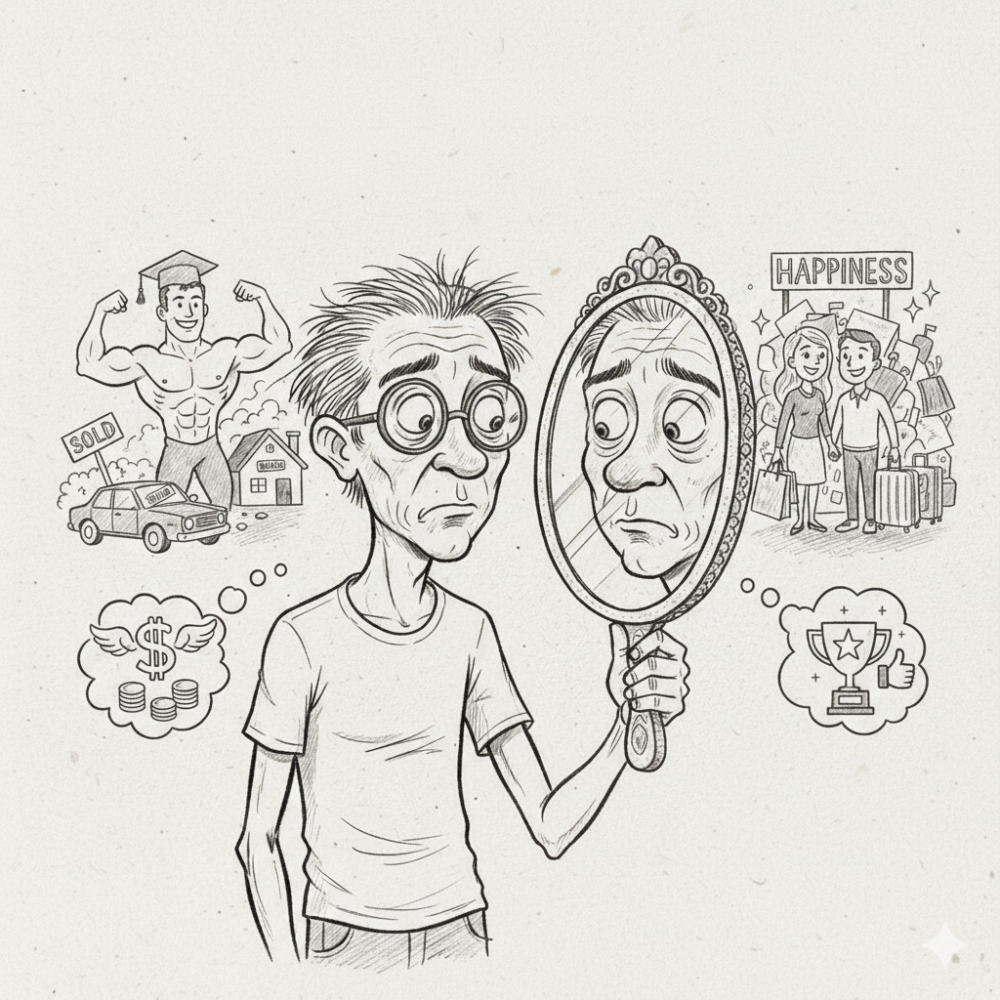
Small Mistakes That Secretly Make You Waste Money
Money rarely disappears in dramatic fashion. It erodes quietly. A few dollars here, a small decision there, and suddenly the bank balance feels thinner than it should. These mistakes are subtle, habitual, and often invisible—until they compound into something substantial.
Why Money Slips Away Without You Noticing
Financial leakage thrives in the mundane. Routine expenses don’t trigger alarm bells because they feel normal, expected, and harmless. Familiarity dulls awareness, and before long, waste becomes part of the background noise of everyday life.
The Psychology of “It’s Just a Little Expense”
Small purchases exploit a cognitive blind spot. The brain minimizes their impact because each transaction appears inconsequential on its own. Over time, these micro-decisions accumulate into macro consequences, quietly undermining financial stability.
Buying Convenience Instead of Planning Ahead
Convenience often carries a hidden premium. Last-minute purchases, rushed decisions, and outsourced effort cost more than foresight ever would. Planning, though unglamorous, remains one of the most underrated money-saving tools.
Paying for Subscriptions You Barely Use
Subscriptions are designed to fade into the background. A modest monthly fee feels painless, especially when it promises future value. Yet unused services siphon money continuously, delivering little more than false reassurance.
Free Trials That Quietly Turn Into Monthly Charges
Free trials rely on inertia. The assumption that they will be canceled “later” is often wrong. What begins as curiosity ends as a recurring expense, unnoticed but persistent.
Ignoring Small Fees That Add Up Over Time
Fees thrive in fine print. Service charges, processing fees, and add-ons rarely command attention, but together they form a steady drain. Individually trivial. Collectively expensive.
ATM Charges and Bank Fees You’ve Normalized
Convenience withdrawals and account fees become routine through repetition. Once normalized, they stop feeling optional. Over time, this quiet compliance turns into an unnecessary cost of doing nothing differently.
Overspending on Food Without Realizing It
Food spending is uniquely deceptive. It feels essential, even virtuous. Yet without boundaries, it becomes one of the largest sources of unexamined waste.
Grocery Shopping Without a List
A missing list invites impulse. Shelves are designed to distract, entice, and upsell. Without a plan, intention gives way to appetite, and budgets unravel aisle by aisle.
Letting Food Go Bad in the Fridge
Waste often hides behind good intentions. Forgotten produce and expired leftovers represent money already spent and never recovered. The refrigerator becomes a quiet archive of abandoned value.
Ordering Delivery Out of Habit, Not Need
Delivery transforms convenience into routine. Fees, markups, and tips inflate costs far beyond the meal itself. What feels like a small indulgence becomes a recurring expense with outsized impact.
Lifestyle Inflation in Disguise
As income grows, expectations follow. Subtle upgrades feel deserved, even inevitable. Yet without restraint, spending rises in lockstep with earnings, erasing the benefits of financial progress.
Upgrading Your Lifestyle Before Your Income Truly Supports It
Premature upgrades create fragile finances. The appearance of affordability masks underlying strain. Comfort increases, but resilience decreases.
Treating Every Small Win as a Reason to Spend
Rewards lose meaning when they become automatic. Celebrating every minor success with spending blurs the line between motivation and indulgence, slowly inflating everyday costs.
Shopping for Deals You Didn’t Actually Need
A deal is only valuable if the purchase was already necessary. Otherwise, it’s an expense disguised as savings. The illusion of thrift can be more expensive than full price.
Buying Something Just Because It’s On Sale
Sales manufacture urgency. They suggest scarcity where none exists. Purchasing without purpose turns discounts into clutter and drains cash under the guise of smart shopping.
Confusing Discounts With Savings
Savings are intentional. Discounts are incidental. The difference lies in whether money stays in the account—or simply changes hands more creatively.
Brand Loyalty That Costs More Than It’s Worth
Familiar brands command trust, but often at a premium. Loyalty becomes costly when alternatives offer equal quality without the markup. Habit should not replace evaluation.
Paying Extra for Names, Not Quality
Brand recognition is persuasive. Yet price often reflects marketing more than substance. Paying for prestige rarely delivers proportional value.
Never Comparing Alternatives
The first option feels easiest. Comparison feels tedious. Skipping it, however, guarantees missed opportunities for better value and smarter choices.
Neglecting Preventive Spending
Avoiding small, proactive expenses invites larger, reactive ones. Prevention lacks drama, but its absence is expensive.
Skipping Maintenance That Leads to Bigger Bills Later
Deferred maintenance compounds quietly. Minor issues escalate, transforming manageable costs into financial emergencies.
Avoiding Small Repairs Until They Become Expensive Problems
Postponement feels economical in the moment. In reality, it transfers today’s savings into tomorrow’s oversized bill.
Poor Timing With Money Decisions
Timing influences price more than most people realize. Acting without patience often means paying a premium for immediacy.
Buying in a Rush Instead of Waiting
Urgency narrows judgment. When time pressure replaces deliberation, cost efficiency suffers.
Missing Out on Better Prices by Not Timing Purchases
Seasonality, cycles, and patterns affect pricing. Ignoring them leads to consistently higher costs without any added benefit.
Emotional Spending You Justify Later
Emotion clouds rationale. Purchases made under stress, boredom, or frustration often require retroactive justification rather than genuine need.
Shopping to Relieve Stress or Boredom
Retail therapy offers temporary relief at a lasting cost. The emotional payoff fades quickly, but the financial impact lingers.
Rewarding Yourself More Often Than You Realize
Frequent self-rewards lose their special status. What once felt occasional becomes habitual, quietly inflating discretionary spending.
Forgetting to Track Where Your Money Actually Goes
Untracked money drifts. Without visibility, assumptions replace facts. Awareness fades, and control slips away.
Relying on Guesswork Instead of Numbers
Perception is unreliable. Numbers reveal patterns that intuition often misses. Guessing creates blind spots where waste thrives.
Assuming You’ll “Fix It Next Month”
Deferred responsibility compounds quietly. Tomorrow becomes a moving target, and small issues mature into entrenched habits.
How These Small Mistakes Quietly Shape Your Financial Future
Individually insignificant, collectively transformative. These habits shape long-term outcomes not through drama, but through persistence. Direction matters more than speed.
Becoming More Aware Without Becoming Miserable
Awareness doesn’t require deprivation. It begins with noticing patterns, questioning defaults, and making conscious adjustments rather than sweeping sacrifices.
Turning Everyday Awareness Into Long-Term Savings
Sustainable savings grow from small corrections repeated consistently. Attention compounds just like money. When awareness becomes routine, waste loses its hiding place—and financial momentum finally shifts.