Real estate is one of those industries that quietly touches nearly every aspect of daily life. From the place where mornings begin to the buildings that fuel global commerce, property forms the physical backbone of modern society. While it may appear complex at first glance, real estate becomes far more approachable when broken into clear ideas and practical concepts.
This guide offers a comprehensive, easy-to-follow exploration of the real estate world. It blends foundational knowledge with deeper insights, creating a well-rounded view of an industry that is both timeless and constantly evolving.
What Real Estate Really Means and Why It Matters
At its core, real estate refers to land and any permanent structures attached to it. This includes homes, office buildings, factories, shopping centers, and even vacant parcels of land. Unlike many assets, real estate is tangible. It occupies space, serves human needs, and often appreciates over time.
Its importance stretches beyond ownership. Real estate influences economic stability, community development, and personal wealth creation. Housing availability affects quality of life. Commercial properties shape job markets. Infrastructure and land use define how cities grow and function.
A Quick Look at the History and Evolution of Real Estate
The concept of property ownership dates back thousands of years. Early civilizations established land boundaries to define power, agriculture, and inheritance. Over time, property rights became formalized through laws, deeds, and governance systems.
The industrial era introduced dense urban centers, while the suburban expansion of the 20th century reshaped residential living. Today, technology and globalization continue to redefine how property is bought, sold, managed, and valued. Real estate remains deeply rooted in history, yet remarkably adaptive.
Understanding the Core Types of Real Estate

Photo by Pixabay / Free to use under license.
Real estate is commonly divided into distinct categories based on usage. Each type serves a unique purpose and carries different financial, legal, and operational considerations. Understanding these categories provides clarity and helps align property decisions with specific goals.
Residential Real Estate Explained
Residential real estate includes properties designed for people to live in. These spaces prioritize comfort, safety, and functionality while also serving as emotional and financial anchors for individuals and families.
Single-Family Homes and Condos
Single-family homes offer privacy, autonomy, and land ownership. They are often favored for long-term living and stability. Condominiums, on the other hand, provide shared amenities and lower maintenance responsibilities, making them attractive in urban environments or for downsized lifestyles.
Multi-Family Properties and Apartments
Multi-family properties house multiple living units within a single structure or complex. Duplexes, triplexes, and apartment buildings fall into this category. These properties are often favored by investors due to their income-generating potential and operational efficiency.
Commercial Real Estate at a Glance
Commercial real estate encompasses properties used for business activities. These assets are typically valued based on income potential rather than emotional appeal, making them a distinct segment of the market.
Office Buildings and Business Spaces
Office properties range from small professional suites to towering corporate headquarters. Demand for these spaces fluctuates with economic cycles, workforce trends, and the rise of remote and hybrid work models.
Retail Properties and Shopping Centers
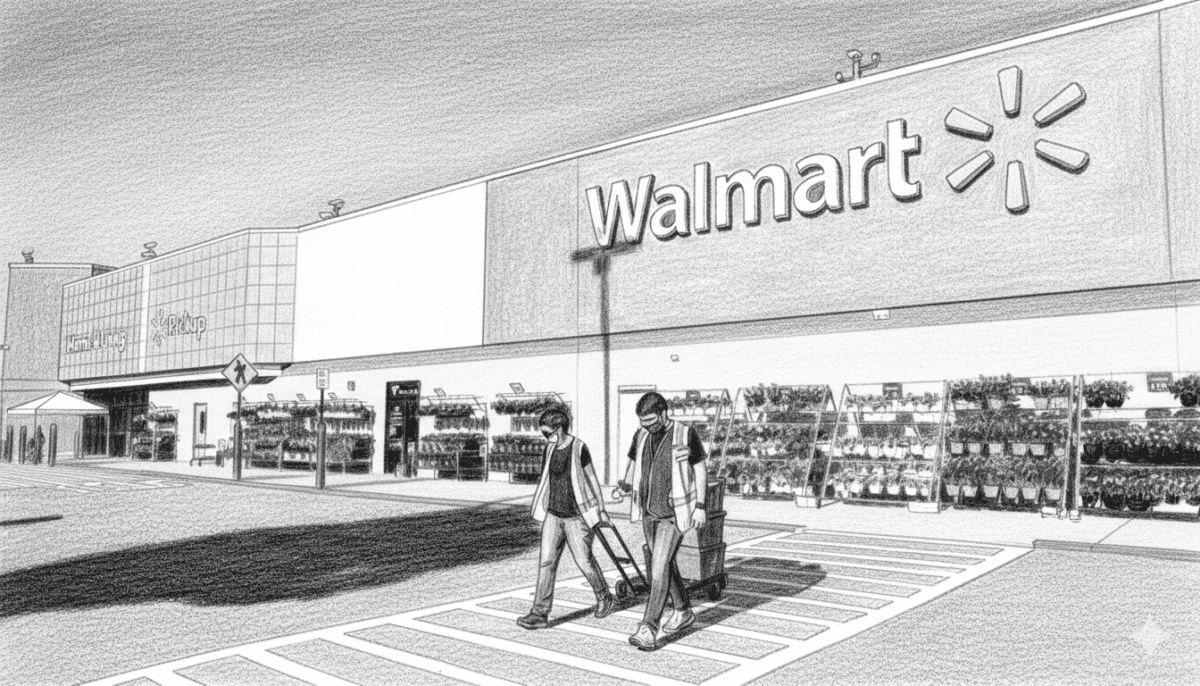
Retail real estate includes storefronts, malls, and mixed-use developments. Foot traffic, visibility, and consumer behavior heavily influence the success of these properties. Strategic location is paramount.
Industrial Real Estate and Logistics Spaces
Industrial properties support manufacturing, storage, and distribution. Warehouses, fulfillment centers, and factories are essential to global supply chains, particularly in the age of e-commerce and rapid delivery expectations.
Land and Special-Purpose Real Estate
Land represents the most fundamental form of real estate. It may be undeveloped or earmarked for future use. Special-purpose properties, such as hospitals, schools, and government buildings, serve specific societal functions and often involve unique regulations.
How the Real Estate Market Works
The real estate market operates through a dynamic interplay of supply, demand, capital, and regulation. Prices fluctuate based on economic conditions, interest rates, population growth, and consumer confidence. Despite its complexity, the market follows recognizable patterns over time.
Key Players in the Real Estate Ecosystem
A wide array of participants contribute to the movement of property through the market. Each plays a distinct role, ensuring transactions occur efficiently and legally.
Buyers, Sellers, and Renters
Buyers seek ownership, sellers aim to transfer value, and renters prioritize flexibility. These groups form the foundation of market activity, each influenced by financial capacity and lifestyle needs.
Real Estate Agents and Brokers
Agents and brokers act as intermediaries, guiding clients through pricing, negotiations, and paperwork. Their expertise often reduces risk and streamlines complex transactions.
Developers, Investors, and Lenders
Developers create new spaces. Investors allocate capital for returns. Lenders provide financing. Together, they fuel growth, innovation, and liquidity within the industry.
How Properties Are Bought and Sold

Photo by Pixabay / Free to use under license.
Real estate transactions follow structured processes designed to protect all parties involved. While details vary by region, the general framework remains consistent.
The Listing and Marketing Process
Properties are prepared for sale through pricing strategies, staging, photography, and advertising. Effective marketing amplifies visibility and attracts qualified buyers.
Offers, Negotiations, and Contracts
Buyers submit offers outlining price and terms. Negotiations refine these details until both sides reach agreement. Contracts formalize the arrangement and set expectations.
Closing the Deal Step by Step
Closing involves inspections, financing approval, legal verification, and final payments. Once completed, ownership is officially transferred, and the transaction concludes.
Real Estate as an Investment
Beyond shelter, real estate is widely regarded as a wealth-building vehicle. Its ability to generate income and appreciate over time makes it a cornerstone of many investment portfolios.
Why People Invest in Real Estate
Investors are drawn to real estate for diversification, inflation hedging, and predictable cash flow. Tangibility adds a sense of security uncommon in purely financial assets.
Common Real Estate Investment Strategies
Different strategies align with varying risk appetites, timelines, and capital levels. Selecting the right approach is critical to long-term success.
Buy and Hold Properties
This strategy focuses on long-term ownership, rental income, and gradual appreciation. It rewards patience and disciplined management.
Fix-and-Flip Projects
Fix-and-flip investing involves purchasing undervalued properties, renovating them, and selling at a profit. It requires market knowledge, precise budgeting, and timing.
Rental Income and Cash Flow
Rental properties provide recurring income. Strong cash flow depends on location, tenant quality, and operational efficiency.
Real Estate Investment Trusts (REITs)
REITs allow individuals to invest in property portfolios without direct ownership. They offer liquidity and diversification while distributing regular dividends.
Understanding Risk and Return in Real Estate
Every investment carries risk. Market volatility, vacancy rates, and maintenance costs must be weighed against potential returns. Informed decisions mitigate uncertainty.
Financing and Mortgages Made Simple
Most real estate purchases rely on financing. Understanding lending structures empowers buyers and investors to make confident choices.
How Real Estate Financing Works
Lenders provide capital in exchange for interest, using the property as collateral. Loan terms define repayment schedules and obligations.
Types of Mortgages and Loans
Options range from conventional loans to specialized products tailored for investors or unique property types.
Fixed-Rate vs Adjustable-Rate Mortgages
Fixed-rate mortgages offer stability, while adjustable-rate loans may provide short-term savings with variable future costs.
Government-Backed Loan Options
Programs backed by government agencies often feature lower down payments and flexible qualification requirements.
Down Payments, Interest Rates, and Credit Scores
These factors directly influence loan approval and affordability. Strong credit and thoughtful planning unlock favorable terms.
The Role of Location in Real Estate
Location remains one of the most influential determinants of value. It shapes desirability, accessibility, and long-term appreciation.
Why Location Drives Property Value
Proximity to employment, transportation, and amenities enhances demand. Scarcity further amplifies value in prime areas.
Neighborhoods, Schools, and Amenities
Quality schools, parks, and services elevate property appeal. Communities with strong infrastructure tend to outperform over time.
Urban, Suburban, and Rural Markets
Each market offers distinct advantages. Urban areas provide density and opportunity, suburbs offer balance, and rural regions deliver space and affordability.
Emerging Markets and Growth Areas
Developing regions often present attractive investment opportunities, driven by population growth and economic expansion.
Real Estate Pricing and Property Value
Accurate pricing reflects both art and science. Market data, condition, and perception converge to determine value.
What Determines Property Value
Location, size, layout, and condition all play roles. External factors, such as economic health, further influence outcomes.
Market Conditions and Supply vs Demand
Seller’s markets favor higher prices, while buyer’s markets create negotiation leverage. Timing matters.
Comparable Sales and Appraisals
Recent sales of similar properties provide benchmarks. Appraisals offer objective assessments for lenders and buyers.
Renovations and Value-Adding Improvements
Strategic upgrades can enhance appeal and increase value, particularly when aligned with market preferences.
Legal and Regulatory Aspects of Real Estate
Real estate operates within a robust legal framework designed to ensure transparency and fairness.
Understanding Property Ownership and Titles
Clear title establishes legal ownership. Title searches and insurance protect against unforeseen claims.
Zoning Laws and Land Use Regulations
Zoning dictates how property may be used. Compliance is essential for development and long-term planning.
Real Estate Taxes and Ongoing Obligations
Property taxes fund local services. Owners must also account for maintenance, insurance, and compliance costs.
Contracts, Disclosures, and Due Diligence
Detailed documentation safeguards all parties. Due diligence uncovers risks before commitments are finalized.
Technology and Innovation in Real Estate

Photo by Pixabay / Free to use under license.
Innovation is reshaping how properties are marketed, evaluated, and managed. Technology enhances efficiency and transparency.
How Technology Is Changing the Industry
Digital platforms streamline transactions, expand access, and improve decision-making accuracy.
Online Listings and Virtual Tours
High-quality listings and immersive tours allow buyers to explore properties remotely, saving time and resources.
Real Estate Apps and Digital Tools
Mobile tools support everything from market analysis to property management, empowering users with real-time data.
Data, AI, and Smart Property Decisions
Advanced analytics uncover trends, forecast performance, and reduce uncertainty across the real estate lifecycle.
Trends Shaping the Future of Real Estate
The industry continues to evolve alongside societal, economic, and technological shifts. Adaptability is essential.
Sustainable and Green Building Practices
Energy efficiency and sustainability are increasingly prioritized, reducing environmental impact and operating costs.
Remote Work and Changing Housing Needs
Flexible work arrangements influence where people live and how spaces are designed.
Urban Development and Smart Cities
Cities integrate technology to enhance livability, infrastructure efficiency, and environmental resilience.
Demographic Shifts and Buyer Preferences
Changing demographics influence housing styles, locations, and amenities, shaping future demand.
Tips for Buyers, Sellers, and Investors
Strategic preparation and informed decision-making lead to better outcomes across all roles.
Smart Tips for First-Time Homebuyers
Clear budgeting, professional guidance, and patience ease the learning curve and reduce stress.
How Sellers Can Maximize Property Value
Presentation, pricing, and timing work together to attract strong offers.
Common Mistakes to Avoid in Real Estate
Overleveraging, emotional decisions, and insufficient research often lead to costly errors.
Building a Long-Term Real Estate Strategy
Successful real estate journeys are built on clear goals, adaptability, and disciplined execution.
Conclusion: Navigating Real Estate with Confidence
Real estate may be vast, but it is far from inscrutable. With foundational knowledge and thoughtful planning, the industry becomes approachable and rewarding. Whether buying a first home, expanding an investment portfolio, or simply seeking understanding, informed engagement transforms real estate from an enigma into an opportunity.