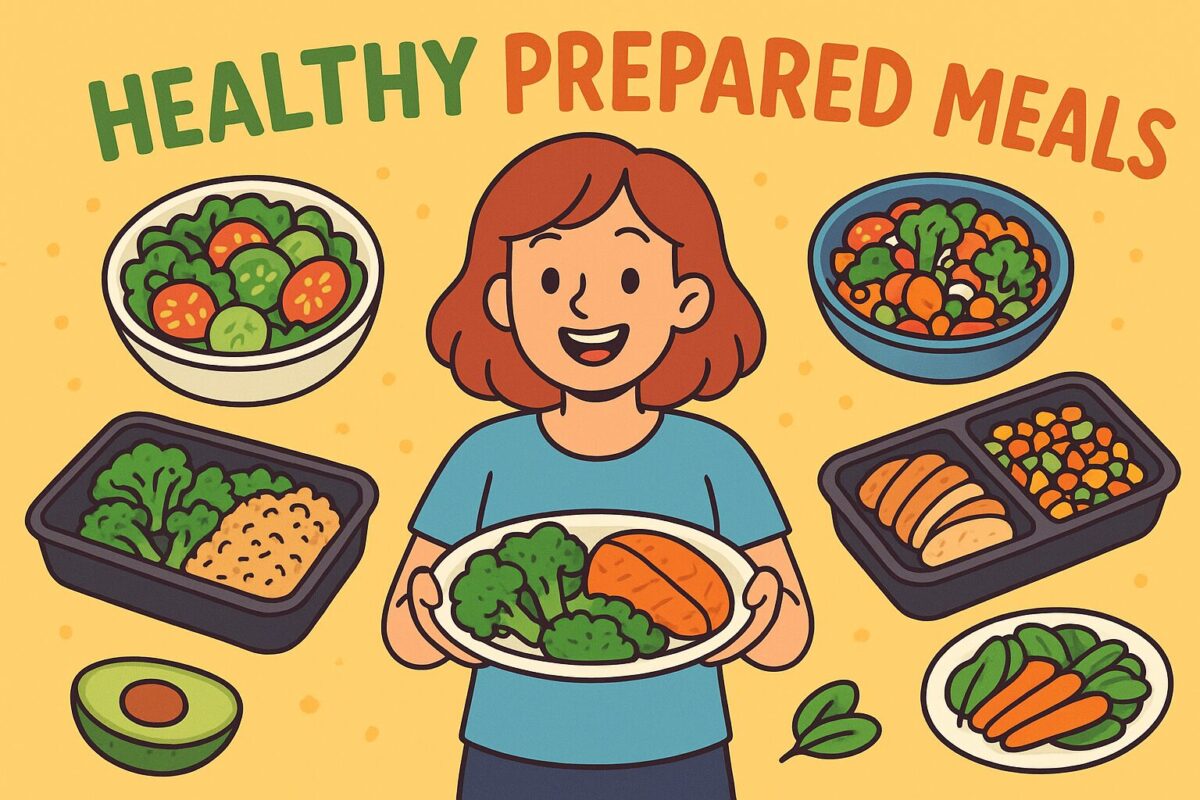
Why Prepared Meals Are Becoming a Modern Essential
Modern life moves fast. With work, family responsibilities, and a constant stream of commitments, the ritual of cooking can easily slip to the bottom of the priority list. Healthy prepared meals bridge this widening gap by offering nourishment without the customary time investment. They bring harmony to busy schedules, ensuring that wholesome food is always within reach. For many people, they have become not a luxury—but a practical necessity.
The Evolution of Prepared Meals in the Health-Conscious Era
Prepared meals have transformed dramatically from the days of bland TV dinners and over-processed convenience foods. Today’s offerings are vibrant, nutrient-forward, and crafted with wellness in mind. As consumers demand higher-quality ingredients and transparent sourcing, the industry has responded with chef-developed meals, seasonal menus, and dietary-specific options. The shift reflects a broader cultural trend: prioritizing health without surrendering convenience.
Understanding What Makes a Meal Truly “Healthy”
Key nutritional markers to look for
Healthy meals emphasize balanced nutrition. Look for meals rich in vitamins, minerals, lean protein, and fiber. An ideal prepared meal should contain minimal added sugar, reasonable sodium levels, and thoughtfully chosen fats that support metabolic health.
Balancing macros without overthinking
Macronutrient balance doesn’t need to feel like a complex arithmetic problem. Simple ratios—such as a substantial portion of vegetables, a moderate serving of protein, and a controlled amount of quality carbohydrates—can keep energy levels consistent and hunger satisfied.
Identifying hidden additives and unnecessary fillers
Some prepared meals still rely on fillers like modified starches or artificial preservatives. By reading ingredient lists attentively, it becomes easier to avoid additives that do little for wellness and may impede digestion or flavor.
Benefits of Choosing Healthy Prepared Meals
Saving time without sacrificing nutrition
Healthy prepared meals reduce hours spent chopping, cooking, and cleaning. They allow individuals to nourish themselves efficiently—even on the busiest days.
Consistency for busy lifestyles
When life becomes hectic, consistent eating habits often suffer. Prepared meals help maintain predictable nourishment, preventing skipped meals or impulsive fast-food choices.
Reducing mealtime decision fatigue
The daily question of “What’s for dinner?” quietly drains mental energy. With prepared meals available, choices become simpler and stress decreases.
Supporting weight management and long-term wellness
Portion-controlled options help individuals avoid overeating while consuming meals designed to support metabolic health, steady energy, and lasting vitality.
How Prepared Meals Support Different Dietary Goals
High-protein meals for muscle support
Protein-rich offerings help preserve muscle mass, enhance satiety, and support recovery after physical activity.
Low-carb and keto-friendly options
Carb-conscious prepared meals provide an effortless way to maintain ketosis or follow a structured low-carb plan without constant macro tracking.
Plant-based and vegan variations
Vegan prepared meals are now abundant, showcasing legumes, whole grains, vegetables, and thoughtfully crafted plant proteins.
Gluten-free and allergy-conscious choices
Many brands cater to those with allergies or intolerances, ensuring safe, nutritious meals without cross-contamination or compromise.
Common Misconceptions About Prepared Meals
Debunking the “all prepared meals are processed” myth
Not all prepared meals are created equal. Many modern providers use fresh, whole ingredients with minimal processing—often healthier than hurried homemade meals.
Understanding freshness vs. shelf stability
A longer shelf life doesn’t automatically indicate additives. Techniques like flash-freezing help preserve nutrients naturally without sacrificing flavor or quality.
Fresh vs. Frozen Prepared Meals
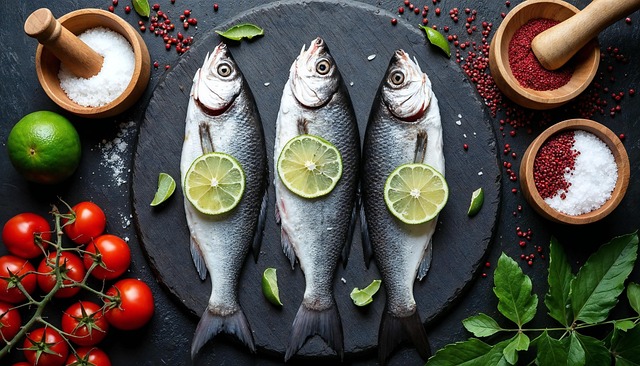
Photo by Pixabay / Free to use under license.
Nutritional differences
Fresh and frozen meals can deliver similar nutrient profiles. Flash-freezing, in particular, locks in nutrients that may degrade in refrigerated meals over time.
Flavor, texture, and convenience
Fresh meals offer an immediate, restaurant-like experience, while frozen options provide longevity and flexibility in scheduling.
When frozen options are actually better
Frozen meals shine for batch planning or households that prefer stocking up. They minimize food waste and can maintain flavor integrity surprisingly well.
Key Ingredients Found in High-Quality Prepared Meals
Lean proteins and nutrient-dense vegetables
Quality meals prioritize ingredients like chicken breast, turkey, tofu, leafy greens, bell peppers, and colorful cruciferous vegetables.
Whole grains and slow-digesting carbs
Carbohydrates such as quinoa, farro, and sweet potatoes offer long-lasting energy and support digestive well-being.
Clean oils and smart seasoning blends
Olive oil, avocado oil, and aromatic spices elevate flavor while contributing beneficial fats and antioxidants.
How to Read Nutrition Labels Like a Pro
Spotting hidden sugars and sodium traps
Prepared meals should avoid unnecessary sweeteners. Sodium levels below 600 mg per serving are ideal for daily consumption.
Evaluating portion sizes realistically
Portion sizes can vary widely. Being mindful of serving amounts helps maintain consistent calorie intake.
Understanding ingredient hierarchy
Ingredients are listed by weight. If whole foods dominate the top of the list, the meal likely offers superior nutritional value.
Healthy Prepared Meals for Weight Loss
Calorie-conscious choices
Controlled calorie counts help individuals maintain a sustainable deficit without feeling deprived.
Meals that promote satiety
High-fiber vegetables, lean proteins, and healthy fats contribute to meals that keep hunger at bay.
Strategies for portion control
Choosing meals in standardized containers can make it easier to manage intake without guesswork.
Healthy Prepared Meals for Muscle Gain
Protein-focused formulations
Meals with 25–40 grams of protein support muscle repair and growth.
Meals with optimal recovery nutrients
Incorporating carbohydrates, antioxidants, and electrolytes can help replenish after intense workouts.
Carb-timing for performance
Eating carbohydrate-rich meals post-exercise enhances glycogen replenishment and performance consistency.
Healthy Prepared Meals for Gut Health
Including fiber-rich foods
Ingredients like lentils, leafy greens, and whole grains support a healthy digestive tract.
Fermented ingredients and probiotics
Meals that include kimchi, sauerkraut, or yogurt introduce beneficial bacteria to the gut ecosystem.
Avoiding common digestive irritants
Simple recipes reduce the likelihood of irritation from heavy oils, excessive spices, or artificial additives.
Convenience Without Compromise: Why Busy Professionals Love Prepared Meals
Minimizing grocery runs
A stocked supply of prepared meals reduces time spent navigating stores and checkout lines.
Eliminating cooking cleanup
No pots, pans, or cutting boards—just a clean, efficient process from fridge to table.
Maintaining energy throughout the workweek
Nutritious meals prevent the blood sugar crashes that often follow rushed or unbalanced eating.
Healthy Prepared Meals for Families
Kid-friendly nutrient-packed options
Mild flavors, familiar ingredients, and visually appealing meals help children develop healthier eating habits.
Balancing diverse preferences at the dinner table
Prepared meals allow each family member to choose what they enjoy, eliminating mealtime arguments.
Creating predictable routines with minimal stress
Consistent, healthful dinners build structure and reduce evening chaos.
Budget-Friendly Healthy Prepared Meals
Choosing affordable meal services
Many brands offer cost-effective subscription plans, especially when ordering in bulk.
Stretching meals without reducing quality
Adding extras like steamed vegetables or side salads can extend serving sizes affordably.
Smart bulk-buying strategies
Purchasing larger bundles often brings significant savings over a la carte options.
How to Customize Prepared Meals for Better Nutrition
Easy add-ons to elevate micronutrient content
A handful of spinach, a sprinkle of seeds, or a squeeze of citrus can upgrade any meal.
Flavor boosters that keep meals exciting
Fresh herbs, spice blends, and homemade sauces enhance taste without unhealthy additions.
When to supplement meals with fresh produce
Pairing prepared meals with fruit or leafy sides helps diversify nutrient intake.
Sustainability and Ethical Considerations
Eco-friendly packaging
Compostable trays, recyclable containers, and minimal plastic reduce environmental impact.
Responsibly sourced ingredients
Ethical sourcing ensures healthier ecosystems and more nutrient-rich produce.
Supporting brands with transparent values
Companies that share sourcing practices and production methods tend to create higher-quality meals.
How to Store Healthy Prepared Meals Properly
Maximizing freshness
Refrigerated meals should be consumed within a few days to maintain peak quality.
Freezer organization for long-term planning
Stackable containers and labels help keep track of meal rotation and minimize clutter.
Preventing meal fatigue with rotation strategies
Mixing cuisines and alternating flavors keeps eating exciting and enjoyable.
Healthy Prepared Meals for Special Occasions
Celebratory meals that don’t derail health goals
Thoughtfully curated prepared meals allow festive indulgence without nutritional regret.
Hosting with pre-prepared options
Prepared meals simplify entertaining, freeing up time to enjoy guests instead of managing stovetops.
Signs You’ve Found a Truly Reliable Meal Provider
Quality assurance and ingredient transparency
Clear labeling and ingredient lists demonstrate commitment to integrity.
Customer reviews and tasting variety
Feedback from other consumers helps gauge reliability, consistency, and flavor.
Portion accuracy and consistency
Dependable meal services maintain uniformity across servings, aiding dietary planning.
Where to Find High-Quality Healthy Prepared Meals
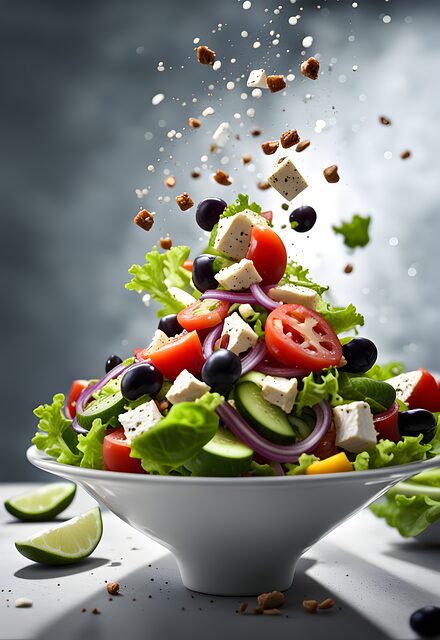
Photo by Pixabay / Free to use under license.
Local providers and boutique kitchens
Community-based kitchens often emphasize farm-fresh ingredients and artisanal preparation.
National meal delivery services
Large brands provide wide-reaching options, from specialized diets to chef-curated menus.
Grocery store quick-grab options
Many markets now offer clean-label prepared meals with impressive nutritional profiles.
Conclusion: Making Healthy Eating Effortless and Enjoyable
Healthy prepared meals offer a harmonious union of nourishment, convenience, and culinary pleasure. They simplify eating well, empower people with busy lifestyles, and support long-term wellness. With mindful choices and a bit of exploration, they can transform daily routines—turning wholesome eating into an accessible, enjoyable experience.