Table of Contents
ToggleWhy Movement Matters More Than Ever
In a world increasingly dominated by sedentary routines, intentional movement has become essential for sustaining optimal health. Physical activity infuses the body with vigor, awakens dormant physiological systems, and enhances the quality of everyday living. It is a universal prescription—accessible, adaptable, and extraordinarily effective. Even gentle motion can recalibrate the body’s internal rhythms, offering benefits that cascade far beyond physical strength. Movement is not merely optional; it is a fundamental pillar of lifelong wellness.
Understanding Physical Activity in Everyday Life
Defining Physical Activity in Simple, Practical Terms
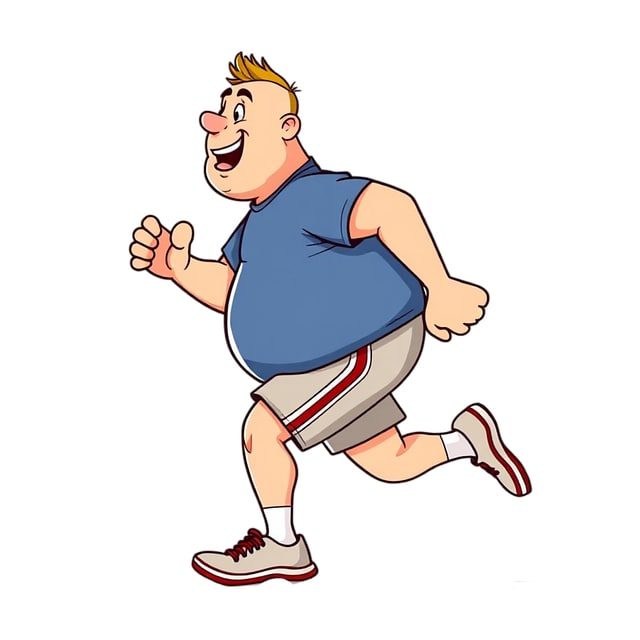
Physical activity encompasses any bodily movement that requires energy expenditure. This includes structured workouts, but also simple actions such as climbing stairs, stretching upon waking, or walking while taking a phone call. It is woven into daily life more seamlessly than most realize. Whether through playful interaction, occupational tasks, or purposeful exercise, each form of movement contributes to overall vitality.
How Much Movement the Body Truly Needs Daily
Most adults thrive with at least 150 minutes of moderate activity per week, paired with muscle-strengthening exercises twice weekly. Yet these guidelines are flexible. Micro-movements—like pacing during a conversation or performing household chores—also accumulate meaningful benefits. The key is consistency and variety, allowing the body to flourish through rhythm, repetition, and diversity of motion.
The Science Behind How Exercise Transforms the Body
The Body’s Adaptive Response to Consistent Movement
The human body is astonishingly adaptive. When exposed to regular movement, it strengthens cardiovascular pathways, grows muscle fibers, and enhances cellular efficiency. Exercise acts as a catalyst for change, encouraging the body to optimize oxygen transport, nutrient distribution, and metabolic function. Over time, this adaptive response expands capacity and bolsters resilience.
Why Even Small Activity Bursts Can Trigger Big Changes
Short bouts of movement—such as brisk walking for five minutes or completing a set of stretches—can ignite biological processes that improve circulation and alertness. These brief energy expenditures stimulate the nervous system, awaken metabolic pathways, and help regulate mood. Small bursts add up, forming a mosaic of health-promoting actions that uplift both body and mind.
Boosting Cardiovascular Strength and Longevity

Photo by Pixabay / Free to use under license.
How Physical Activity Improves Heart Efficiency
Exercise compels the heart to pump more efficiently, strengthening the cardiac muscle and enhancing its ability to circulate blood. A conditioned heart beats more steadily, supplies oxygen more effectively, and experiences less strain during daily activities. This improved performance supports long-term cardiovascular resilience.
Reducing the Risk of Hypertension, Stroke, and Heart Disease
Regular movement helps regulate blood pressure, clears arterial pathways, and reduces inflammation—all crucial factors in preventing heart-related conditions. Individuals who maintain an active lifestyle often experience a significant decrease in the risk of hypertension, stroke, and coronary artery disease, paving the way for a longer, healthier life.
Enhancing Metabolic Health and Stabilizing Blood Sugar
The Relationship Between Activity, Insulin Sensitivity, and Metabolism
Physical activity improves the body’s ability to use insulin effectively, enabling cells to absorb glucose efficiently. This heightened sensitivity stabilizes blood sugar levels and reduces metabolic strain. Over time, consistent movement supports a healthier metabolic profile, enhancing energy utilization and reducing the risk of metabolic disorders.
How Movement Supports Weight Balance and Fat Distribution
Engaging in regular activity helps the body burn calories, regulate appetite, and redistribute fat in healthier patterns. It encourages the reduction of visceral fat—often linked with chronic disease—while supporting lean muscle development. This balanced composition enhances both appearance and internal well-being.
Strengthening Muscles, Bones, and Joint Integrity
Why Muscle Mass Matters Across Every Age Group
Muscle mass influences balance, metabolism, and daily functionality. Strong muscles provide stability, assist with posture, and prevent injuries caused by weakness or misalignment. Maintaining muscle mass becomes increasingly vital with age, as it contributes to independence and mobility.
Preventing Osteoporosis and Maintaining Joint Mobility
Weight-bearing exercise promotes bone density, reducing the risk of fractures and osteoporosis. Meanwhile, movements that engage the joints—such as stretching or light resistance work—keep connective tissues supple. This combination helps maintain flexibility and mobility throughout life.
Improving Respiratory Efficiency and Lung Function
How Exercise Increases Oxygen Utilization
Physical activity strengthens the respiratory muscles, enhances lung capacity, and improves the body’s ability to utilize oxygen. As efficiency increases, breath control improves, and the lungs become more adept at meeting the body’s oxygen demands.
The Long-Term Effects on Breathing Capacity and Endurance
Over time, consistent movement leads to deeper, more controlled breathing and greater stamina. Everyday tasks feel less taxing, and endurance expands in both physical and mental domains.
Uplifting Mood and Supporting Emotional Well-Being
Movement as a Natural Antidepressant and Stress Reliever
Exercise triggers the release of endorphins—biochemical compounds that elevate mood and counteract stress. Even gentle movement can dissolve tension, calm frayed nerves, and provide a refreshing sense of mental clarity. Physical activity becomes a sanctuary for emotional equilibrium.
How Exercise Enhances Cognitive Clarity and Focus
Movement stimulates blood flow to the brain, supplying oxygen and nutrients essential for sharp thinking. It enhances alertness, memory, and concentration. This cognitive uplift often leads to greater productivity and improved problem-solving abilities.
Supporting Healthy Aging and Longevity
Why Active Adults Maintain Independence Longer
Engaging in consistent activity preserves muscle strength, flexibility, and balance—all of which contribute to self-sufficiency. Active adults often experience fewer mobility issues and maintain the capacity to perform daily tasks with confidence.
Slowing Biological Aging Through Consistent Activity Patterns
Exercise influences cellular aging by reducing inflammation and enhancing mitochondrial health. These internal shifts slow down age-related decline, contributing to longevity and improved quality of life.
Enhancing Immune Function Naturally
How Exercise Improves Cellular Defense Mechanisms
Regular movement boosts the circulation of white blood cells, enhancing the body’s ability to detect and respond to infections. It also supports healthy immune regulation, ensuring that the body maintains a balanced defense system.
The Link Between Moderate Activity and Lower Illness Risk
Consistent physical activity has been associated with a reduced risk of common illnesses. Moderate exercise supports immune competence without overstressing the body, creating a more resilient internal environment.
Promoting Quality Sleep and Relaxation
Why Regular Movement Improves Sleep Cycles
Physical activity helps regulate circadian rhythms, making it easier to fall asleep and stay asleep. It reduces restlessness and supports deeper, more restorative sleep.
The Connection Between Physical Fatigue and Deeper Rest
Exertion encourages the body to seek meaningful recovery. This natural fatigue promotes deep sleep phases, allowing the mind and body to repair and rejuvenate.
Improving Digestive Health and Gut Function
How Movement Stimulates Digestion and Reduces Bloating
Activity enhances gastrointestinal motility, helping food move more smoothly through the digestive tract. This reduces bloating, constipation, and abdominal discomfort.
The Role of Exercise in Microbiome Balance
Movement may positively influence the gut microbiome by reducing inflammation and supporting metabolic health. A balanced microbiome contributes to digestive comfort and overall well-being.
Boosting Brain Health and Memory Retention
How Physical Activity Enhances Neuroplasticity
Exercise stimulates the production of brain-derived neurotrophic factor (BDNF), a protein crucial for neural growth and adaptability. This fosters improved communication between brain cells and enhances cognitive resilience.
Movement’s Impact on Learning, Focus, and Creativity
Regular activity sharpens focus, improves learning retention, and inspires creative thinking. The brain thrives on the increased oxygen supply and stimulation that movement provides.
Reducing Chronic Pain and Increasing Daily Comfort
How Strength and Stretching Relieve Back and Joint Discomfort
Strength-building activities provide stability, while stretching reduces tension and improves alignment. These elements work together to alleviate chronic pain and improve overall mobility.
The Anti-Inflammatory Effects of Regular Activity
Movement helps regulate inflammatory markers in the body, reducing stiffness and discomfort. This natural response contributes to enhanced comfort and longevity.
Elevating Energy Levels and Overall Vitality
Why Active Bodies Feel More Energized During the Day
Exercise boosts circulation and oxygen flow, invigorating muscles and organs. This surge of energy supports productivity and motivation throughout the day.
How Movement Reduces Fatigue and Improves Productivity
By enhancing metabolic efficiency, activity prevents sluggishness and clears mental fog. This clarity enhances daily performance and elevates overall enthusiasm.
Activity’s Role in Regulating Cortisol and Stress Hormones
Exercise promotes healthier cortisol patterns, reducing stress while supporting better emotional stability. It also helps maintain hormonal equilibrium throughout daily fluctuations.
How Exercise Influences Reproductive and Metabolic Hormones
Physical activity supports hormone production related to metabolism, reproductive health, and mood regulation, creating a more harmonious internal environment.
Enhancing Social Well-Being Through Shared Activity
The Power of Group Exercise, Clubs, and Community Events
Shared movement fosters camaraderie, motivation, and belonging. Group participation amplifies enjoyment and reinforces accountability.
How Social Movement Strengthens Connection and Belonging
Physical activity creates opportunities for meaningful interaction, helping individuals build friendships and strengthen community ties.
Different Types of Physical Activity and Their Unique Benefits
Aerobic Exercise for Endurance and Heart Health
Walking, cycling, and swimming fortify cardiovascular function and improve overall stamina.
Strength Training for Stability and Metabolic Support
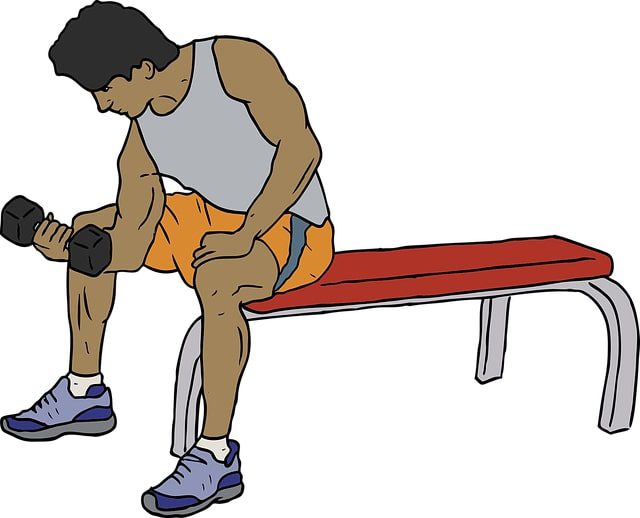
Resistance exercises support muscle growth, enhance metabolism, and improve stability.
Flexibility Exercises for Comfort and Mobility
Stretching and mobility routines reduce tension and enhance fluid movement.
Balance Activities for Injury Prevention and Aging Gracefully
Practices like yoga and tai chi promote stability and reduce fall risk, especially as the body ages.
Practical Ways to Add More Movement Into a Busy Day
Small Habits That Add Up to Big Health Gains
Taking the stairs, parking farther away, or performing desk stretches can integrate movement seamlessly into daily routines.
Turning Everyday Tasks Into Opportunities for Activity
Gardening, cleaning, or walking during meetings become simple but impactful ways to stay active.
Overcoming Barriers to Staying Active

Photo by Pixabay / Free to use under license.
How to Stay Motivated When Life Gets Hectic
Setting realistic goals, celebrating small wins, and maintaining flexibility helps sustain motivation during challenging times.
Simple Adjustments That Make Movement More Enjoyable
Choosing enjoyable activities, listening to energizing music, or exercising outdoors can transform movement into a rewarding ritual.
Conclusion: Embracing a Lifelong Culture of Movement
Consistent physical activity is a transformative force that nurtures every aspect of health. By embracing movement as a daily practice—whether through structured exercise or natural activity woven into routine—anyone can cultivate strength, vitality, and deeper well-being. Movement is a lifelong companion, enhancing longevity and enriching the human experience in profound ways.