
Fresh Meals
The rising popularity of fresh meals reflects a growing desire for nourishment that feels both wholesome and convenient. People are increasingly looking for dishes that honor natural ingredients while still fitting seamlessly into fast-paced routines. Fresh meals offer a delightful middle ground—rich in vitality, vibrant in flavor, and ready to enjoy without fuss.
Freshness has become a cornerstone of modern eating habits as individuals strive to reduce ultra-processed foods and enhance their day-to-day wellness. A fresh meal brings a sense of immediacy and purity that resonates with those seeking cleaner, more mindful choices.
Understanding What “Fresh Meals” Really Means
Within the culinary world, freshness refers to ingredients that are minimally handled, free from synthetic preservatives, and prepared close to the time of consumption. It embodies the idea of eating food at its nutritional and flavorful peak.
Fresh meals differ significantly from frozen or processed alternatives. While frozen options may be convenient, they often lack the delicate textures and nuanced aromas that only fresh ingredients can offer. Processed meals, on the other hand, tend to rely on additives or stabilizers that diminish natural essence. Fresh meals bring authenticity to the table—straight from the source, unaltered and unmasked.
The Core Benefits of Eating Fresh Meals
Fresh meals retain far more nutrients than heavily processed dishes, supporting the body’s vitality and long-term wellness. Vitamins, minerals, and antioxidants remain intact, giving each bite powerful nourishment.
Their natural flavors shine through effortlessly. Crisp vegetables, tender proteins, and aromatic herbs create an eating experience that feels indulgent yet wholesome. This vibrancy makes everyday meals feel more enjoyable and satisfying.
Additionally, fresh meals dramatically reduce exposure to artificial additives, colorants, and excess sodium. The result is a cleaner diet that aligns with health-conscious choices.
How Fresh Meals Align With a Busy Lifestyle
Fresh meals eliminate lengthy prep work without compromising quality. They allow individuals to enjoy nutrient-rich dishes even on hectic days, eliminating the temptation of fast food or takeout.
For professionals, students, and families, fresh meals provide reliability and ease. Whether packed for lunch, grabbed between meetings, or served during weeknight dinner, they make nourishing choices almost effortless.
The Role of Fresh Ingredients in Optimal Nutrition
Seasonal produce holds superior nutritional potency. Fruits and vegetables harvested at their peak contain more enzymes, antioxidants, and minerals, making them fundamental building blocks of fresh meals.
High-quality proteins—from lean meats to sustainably sourced fish and legumes—add balance and satiety. Careful sourcing ensures better flavor, better nutrition, and better overall meal integrity.
Popular Types of Fresh Meals for Every Preference
Plant-based fresh dishes emphasize vibrant vegetables, legumes, whole grains, and aromatic herbs. These meals are rich in fiber and brimming with color.
Protein-focused meals appeal to those aiming to build strength or support an active lifestyle. Lean meats, tofu, fish, and eggs anchor these plates.
Family-friendly fresh meals offer universal flavors that please even the pickiest palates, making dinner less of a negotiation and more of a joy.
Low-calorie and weight-conscious meals provide satisfying portions without unnecessary heaviness, making them ideal for those watching their intake.
Fresh Meal Delivery Services

Photo by Pixabay / Free to use under license.
Subscription-based meal plans have revolutionized how fresh meals reach households. These services prepare dishes daily, then deliver them chilled for ultimate convenience, ensuring consistency and quality.
When choosing a service, factors such as ingredient sourcing, menu variety, portion sizes, and nutritional transparency should be carefully evaluated. A reliable provider balances flavor with wellness, making every delivery worthwhile.
Meal Prep vs. Fresh Meals
Meal prep involves cooking food in batches and storing it for future consumption. While practical, it can compromise texture and taste over time.
Fresh meals maintain superior flavor, structure, and nutrient density, making them appealing for those who value culinary freshness. Meal prep works well for long-term planners, while fresh meals cater to those wanting immediacy and peak quality.
How Fresh Meals Support Health Goals
Many fresh meals contain metabolism-enhancing ingredients such as leafy greens, lean proteins, and thermogenic spices. These elements work harmoniously to uplift daily energy levels.
Portion-controlled servings promote balanced eating habits and prevent mindless snacking. This naturally encourages healthier dietary patterns.
Heart-healthy fresh meals feature ingredients like olive oil, salmon, whole grains, and nuts—foods that support cardiovascular strength and overall longevity.
Creating Perfectly Balanced Fresh Meals
A well-balanced fresh meal incorporates proteins, healthy fats, and complex carbohydrates in harmonious proportions. This synergy ensures steady energy and prolonged satiety.
Vegetables and whole grains add both color and nutritional density. Their fiber, micronutrients, and phytonutrients make them indispensable components of a fresh, revitalizing plate.
Fresh Meals for Special Dietary Needs
Gluten-free meals can still feel indulgent when crafted with care—think herb-roasted vegetables, quinoa bowls, or grilled chicken with citrus zest.
Dairy-free and allergy-sensitive variations rely on clever substitutions like almond-based sauces or coconut milk blends, keeping flavors luscious and inclusive.
Low-sodium options prioritize natural seasonings and mineral-rich herbs to maintain taste without overloading the body.
The Farm-to-Table Philosophy
Local sourcing enhances both freshness and sustainability. Ingredients harvested nearby reach kitchens faster, ensuring peak flavor and nutritional integrity.
By choosing fresh meals made with locally grown products, consumers help support farmers and small-scale artisans who prioritize responsible agriculture.
Storage Tips to Keep Fresh Meals at Their Peak
Proper refrigeration prevents spoilage and maintains crispness. Storing meals in airtight containers preserves their moisture and flavor.
Understanding expiration dates and safety guidelines helps ensure freshness and reduces waste. It encourages mindful consumption and proper meal rotation.
Reheating Fresh Meals Without Compromising Quality
Gentle reheating methods—such as steaming or low-temperature warming—help retain moisture and texture. They prevent meals from becoming rubbery or dried out.
Avoid microwaving for too long or reheating at excessively high heat, as this can degrade ingredients and dull flavors.
Budget-Friendly Fresh Meal Ideas
Affordable ingredients, such as seasonal vegetables, beans, eggs, and whole grains, can be transformed into gourmet-style meals with simple seasoning techniques.
Smart grocery shopping—buying produce in season, comparing prices, and selecting versatile staples—helps maintain a fresh-food lifestyle without overspending.
Creative Flavor Pairings for Vibrant Fresh Meals
Unexpected herb and spice combinations—like basil with citrus, cumin with sweet potato, or mint with peas—create memorable flavor symphonies.
Global culinary influences inspire diverse creations, from Mediterranean bowls to Southeast Asian stir-fries, bringing excitement to everyday plates.
Fresh Meals for Weight Loss and Fitness
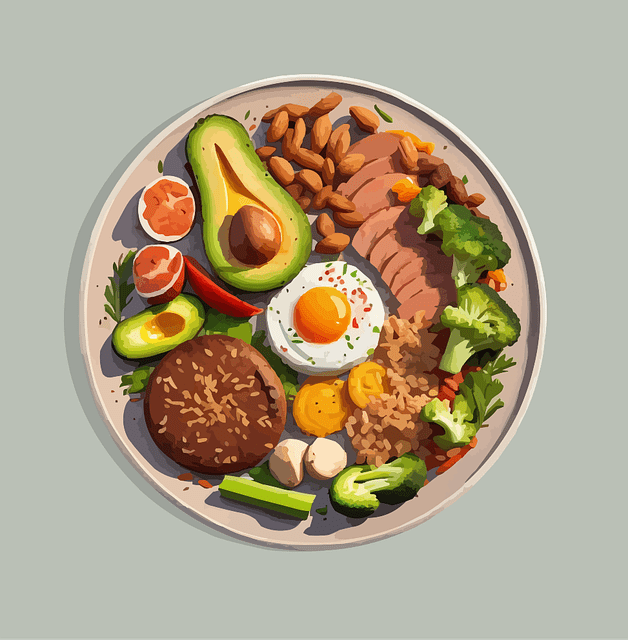
Photo by Pixabay / Free to use under license.
High-protein concepts such as grilled chicken salads, tofu bowls, or salmon platters help repair muscles and maintain fullness.
Low-carb options like cauliflower rice dishes, zucchini noodles, or lean protein with hearty greens encourage efficient fat burning without sacrificing taste.
How to Introduce Fresh Meals to Kids
Children respond to color, shape, and fun. Creative presentation—such as rainbow veggie strips or fruit arrangements—makes fresh meals appealing.
Playful plating and involving kids in simple cooking tasks can build enthusiasm and familiarity with wholesome ingredients.
The Future of Fresh Meals
Innovations in cold-chain logistics, packaging, and preparation techniques promise fresher meals delivered faster and with minimal waste.
Consumer preferences are leaning strongly toward transparency, sustainability, and clean ingredients. Fresh meals are well-positioned to lead these trends.
Conclusion: Embracing Fresh Meals for a Healthier Life
Incorporating fresh meals into daily life is a simple yet profound shift. It nurtures the body with unadulterated nutrition, supports mental clarity, and enhances overall vitality.
Consistency is key—small, mindful choices can ripple into long-term well-being. Fresh meals make those choices both satisfying and sustainable.