Definition of Sleep Apnea
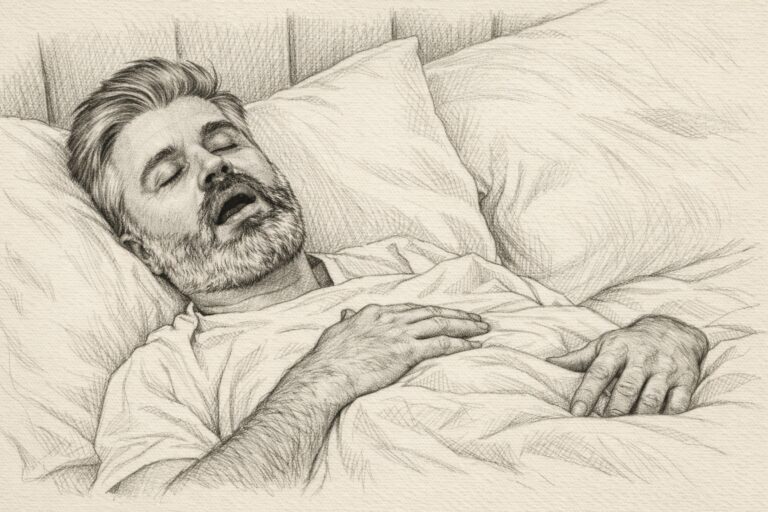
Sleep apnea is a sleep disorder that causes breathing to stop temporarily and repeatedly while a person is sleeping. This condition can last from a few seconds to more than a minute. When breathing stops, oxygen levels in the body decrease and the brain briefly wakes the body so breathing can return to normal.
Many people are unaware that they have sleep apnea because the disorder occurs during sleep. As a result, sufferers often only feel the effects such as fatigue, headaches, or sleepiness throughout the day.
Sleep apnea is quite common in society. However, many cases are not diagnosed because the symptoms are often considered a normal sleep problem.
Types of Sleep Apnea
Sleep apnea is divided into three main types based on the cause.
Obstructive Sleep Apnea (OSA)
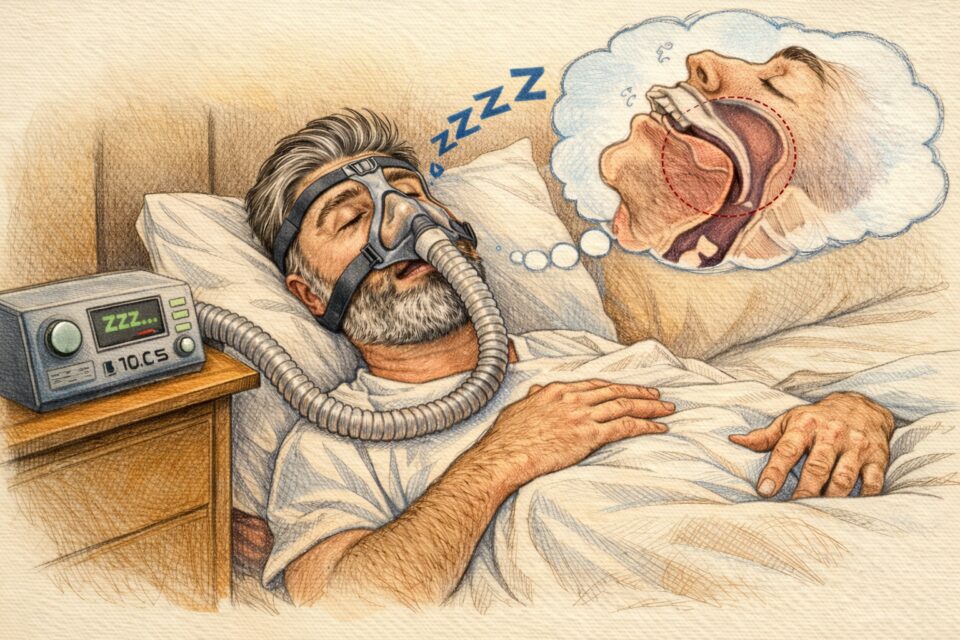
This is the most common type. This condition occurs when the muscles in the throat relax too much during sleep, causing the airway to narrow or close. As a result, airflow to the lungs is obstructed.
Central Sleep Apnea (CSA)
This type occurs because the brain does not send the correct signals to the muscles that control breathing. The airway is not blocked, but the body does not breathe normally for a period of time.
Complex Sleep Apnea
Complex sleep apnea is a combination of obstructive and central sleep apnea.
How Sleep Apnea Occurs
During sleep, the body’s muscles become more relaxed including the muscles in the throat. In some people, this relaxation causes the airway to narrow or close.
When breathing stops, oxygen levels in the blood decrease. The brain then sends signals to wake the body so breathing can resume. This process can occur many times in one night, causing poor sleep quality.
Common Symptoms of Sleep Apnea
Some of the most common symptoms of sleep apnea include:
Loud snoring during sleep
Waking up with gasping breath or choking sensations
Feeling very tired even after getting enough sleep
Morning headaches
Difficulty concentrating during the day
In addition, sufferers may also experience excessive daytime sleepiness, irritability, frequent waking during the night, and a dry mouth when waking up.
Causes and Risk Factors
Sleep apnea can occur due to several factors.
The most common cause is blockage of the airway during sleep. Soft tissue in the throat can close the airway, causing breathing to temporarily stop.
In addition, problems with brain signals that regulate breathing can also cause central sleep apnea.
Several factors can increase a person’s risk of developing sleep apnea, including:
Certain jaw or throat structures
Increasing age
Smoking and alcohol consumption habits
Family history of sleep disorders
Men, people with larger neck circumference, individuals with high blood pressure, and those with metabolic disorders also have a higher risk.
The Impact of Sleep Apnea on Health
Sleep apnea does not only disturb sleep but can also affect overall health.
This disorder can increase the risk of heart disease and high blood pressure. In addition, sleep apnea is also associated with type 2 diabetes and metabolic disorders.
Lack of quality sleep can also affect brain function, such as reducing concentration, memory, and thinking ability.
How Doctors Diagnose Sleep Apnea
To confirm the diagnosis, doctors usually ask about symptoms and the patient’s medical history.
The main examination used is a sleep test or polysomnography. This test is performed in a sleep laboratory to monitor brain activity, breathing, heart rate, and oxygen levels during sleep.
In addition, some patients may also undergo a home sleep test using a special device.
Severity Levels of Sleep Apnea
Sleep apnea is divided into three levels of severity:
Mild sleep apnea occurs when breathing disturbances appear several times within one hour of sleep.
Moderate sleep apnea occurs more frequently and begins to affect quality of life.
Severe sleep apnea occurs when breathing disturbances appear very often, significantly affecting sleep quality and health.
Sleep Apnea Treatment
Treatment for sleep apnea aims to keep the airway open during sleep.
Lifestyle changes are often the first step, such as losing weight and improving sleep habits.
The most commonly used therapy is CPAP (Continuous Positive Airway Pressure). This device delivers air pressure through a mask to keep the airway open during sleep.
Some patients also use oral devices that help maintain the position of the jaw and tongue so they do not block the airway. In certain cases, doctors may recommend surgery.
Complications If Left Untreated
Untreated sleep apnea can cause various serious health problems.
This disorder can increase the risk of heart disease, stroke, and high blood pressure. In addition, chronic sleep deprivation can also trigger depression, anxiety, and metabolic disorders such as diabetes.
People with sleep apnea also have a higher risk of accidents due to excessive daytime sleepiness.
Conclusion
Sleep apnea is a serious sleep disorder that often goes unnoticed. This condition causes breathing to stop temporarily during sleep and can occur many times in one night.
If left untreated, sleep apnea can affect heart health, metabolism, and brain function. Therefore, it is important to recognize the symptoms early and consult medical professionals if experiencing signs of sleep apnea.
Reference Sources
National Heart, Lung, and Blood Institute – https://www.nhlbi.nih.gov/health/sleep-apnea
American Academy of Sleep Medicine – https://sleepeducation.org
Mayo Clinic – https://www.mayoclinic.org/diseases-conditions/sleep-apnea
National Sleep Foundation – https://www.thensf.org
Cleveland Clinic – https://my.clevelandclinic.org/health/diseases/12119-sleep-apnea