
Understanding the Heart of Clinical Mental Health Counseling
Why Mental Health Counseling Matters Now More Than Ever
In an era marked by relentless pace, social disconnection, and digital overload, mental health has become a global concern. The silent epidemic of stress, anxiety, and depression permeates every demographic. Clinical mental health counseling offers an anchor — a space for individuals to realign, heal, and regain agency over their emotional worlds. This profession is not just about treating illness; it’s about nurturing human resilience in the face of modern adversity.
The Role of Clinical Counselors in a Changing World
Counselors today are at the frontline of emotional restoration. They guide individuals through personal crises, social upheavals, and existential despair with compassion and evidence-based skill. Beyond therapy rooms, their influence extends to workplaces, schools, hospitals, and even virtual spaces — redefining what it means to care for the human mind in the 21st century.
Breaking the Stigma: Why Seeking Help Is a Sign of Strength
For decades, mental health struggles were cloaked in shame. That veil is lifting. Seeking therapy is now an act of courage — a declaration that one’s inner world matters. Clinical counselors help normalize vulnerability, teaching that asking for help is not weakness but the foundation of transformation.
What Is Clinical Mental Health Counseling?
Defining Clinical Mental Health Counseling in Simple Terms
Clinical mental health counseling is a professional discipline dedicated to helping individuals navigate psychological challenges and achieve emotional balance. It integrates scientific understanding of human behavior with compassionate dialogue, fostering both insight and growth.
The Difference Between Counseling, Therapy, and Psychology
While often used interchangeably, each serves a distinct purpose. Counseling emphasizes present issues and practical coping strategies. Therapy may delve deeper into long-standing emotional conflicts. Psychology, by contrast, focuses on the scientific study of the mind and behavior, often involving assessments and research. Clinical counseling stands at the intersection — science with soul.
How Counseling Supports Emotional, Psychological, and Social Well-Being
A counselor helps clients manage stress, develop healthy relationships, and cultivate self-awareness. By addressing emotional pain and behavioral patterns, counseling restores equilibrium across all aspects of life — personal, professional, and social.
The Evolution of Mental Health Counseling
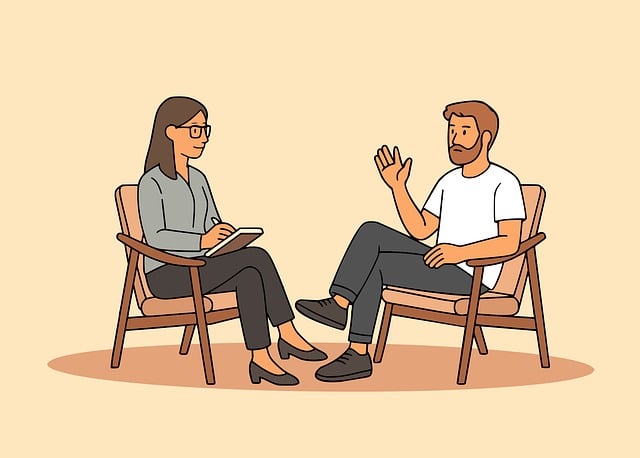
Photo by Pixabay / Free to use under license.
Early Roots of Counseling in Psychology and Psychiatry
The roots of counseling trace back to early philosophical inquiry and the rise of psychiatry. Thinkers like Freud, Jung, and Rogers laid the foundation for understanding the psyche — from unconscious motivations to self-actualization.
The Rise of Professional Counseling in Modern Society
In the 20th century, counseling evolved into a recognized profession. With wars, economic crises, and shifting family dynamics, the demand for trained professionals surged. Counseling became not merely treatment, but prevention — equipping individuals to adapt to life’s complexities.
How Mental Health Awareness Has Reshaped Clinical Practice
Today’s counselors operate in an age of awareness. Public campaigns, education, and open dialogue have destigmatized mental illness, empowering people to prioritize emotional health. As a result, clinical practice now embraces inclusivity, diversity, and holistic wellness.
The Role of a Clinical Mental Health Counselor
What Counselors Actually Do in Day-to-Day Practice
Counselors assess emotional and behavioral patterns, guide conversations toward healing, and equip clients with coping strategies. Their day may include one-on-one sessions, crisis intervention, and collaboration with families or healthcare providers.
Core Skills Every Clinical Counselor Must Master
Empathy, active listening, and cultural sensitivity are essential. Counselors must also possess critical thinking, ethical reasoning, and emotional regulation — tools that enable them to balance compassion with professionalism.
Ethical and Professional Responsibilities in the Field
Confidentiality, informed consent, and nonjudgmental practice form the ethical backbone of counseling. Each interaction is guided by respect for human dignity and a commitment to do no harm.
Education and Training Pathways
Academic Requirements for Becoming a Licensed Counselor
Aspiring counselors typically pursue a master’s degree in clinical mental health counseling or a related field. Coursework includes human development, psychopathology, and counseling techniques.
Graduate Degrees, Certifications, and Supervised Practice
After completing academic studies, graduates engage in supervised clinical hours — practical training under licensed mentors. Passing a state licensure exam solidifies their credentials.
The Importance of Continuing Education and Lifelong Learning
The mental health field evolves constantly. Continuing education ensures counselors remain competent, informed, and aligned with emerging research and best practices.
Licensing and Accreditation: Ensuring Professional Standards
Key Licensure Exams and Requirements Across States
Licensure varies by jurisdiction but often includes exams like the National Counselor Examination (NCE). Candidates must demonstrate proficiency in ethics, theory, and practice.
Accreditation Bodies and Their Importance for Credibility
Organizations such as CACREP (Council for Accreditation of Counseling and Related Educational Programs) uphold academic and ethical standards, ensuring that programs produce competent professionals.
How to Choose an Accredited Counseling Program
Selecting an accredited program safeguards students’ eligibility for licensure and guarantees comprehensive, evidence-based training.
The Therapeutic Process: How Counseling Works
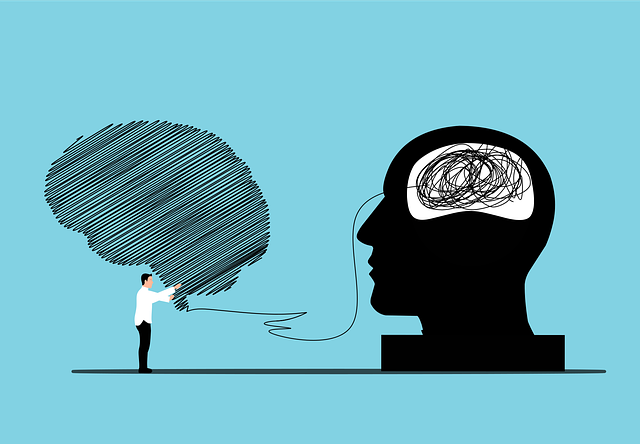
Photo by Pixabay / Free to use under license.
Building Trust and Rapport in the First Session
The therapeutic alliance begins with trust. Counselors create a nonjudgmental atmosphere where clients feel seen, heard, and safe — the foundation for meaningful progress.
Assessment and Goal-Setting with Clients
Through structured interviews and diagnostic tools, counselors identify emotional patterns and collaborate with clients to establish realistic, measurable goals.
Crafting Personalized Treatment Plans
Each treatment plan is unique — a roadmap combining techniques tailored to the client’s background, personality, and challenges.
Major Counseling Theories and Approaches
Cognitive Behavioral Therapy (CBT): Restructuring Thoughts
CBT empowers clients to identify and challenge distorted thinking patterns, replacing them with balanced, constructive perspectives.
Humanistic Therapy: Fostering Self-Actualization
Grounded in empathy and unconditional positive regard, humanistic therapy helps clients discover authenticity and self-worth.
Psychodynamic Counseling: Uncovering Unconscious Patterns
This approach explores past experiences and subconscious drives that shape current behavior, promoting deep emotional insight.
Integrative and Eclectic Approaches: Blending Techniques for Better Outcomes
Many counselors adopt a flexible, client-centered approach — merging techniques from multiple theories to achieve holistic results.
Common Mental Health Issues Addressed in Counseling
Depression and Mood Disorders
Counseling offers emotional stabilization through cognitive reframing, mindfulness, and behavioral activation strategies.
Anxiety and Panic Disorders
Therapists teach grounding techniques, exposure strategies, and stress management to alleviate anxiety symptoms.
Trauma and Post-Traumatic Stress Disorder (PTSD)
Counselors provide trauma-informed care, helping clients process painful experiences without retraumatization.
Substance Abuse and Addiction Counseling
Through motivational interviewing and relapse prevention, clients regain control over destructive habits.
Grief, Loss, and Life Transitions
Therapy becomes a sanctuary for navigating sorrow and finding meaning amid profound change.
Specialized Areas of Clinical Mental Health Counseling
Marriage and Family Therapy
This specialization addresses relational discord, communication breakdowns, and family dynamics.
Child and Adolescent Counseling
Counselors support young clients facing developmental, academic, or emotional challenges through play and cognitive techniques.
Geriatric and Elder Care Counseling
Elder counseling focuses on loneliness, loss, and adaptation to life transitions in later years.
Career and Vocational Counseling
Clients explore strengths, interests, and goals to achieve professional fulfillment.
Crisis Intervention and Trauma Response
Counselors offer immediate stabilization and emotional support during emergencies or catastrophic events.
The Power of the Counselor-Client Relationship
Why Empathy Is the Cornerstone of Healing
Empathy bridges the emotional gap between counselor and client, transforming pain into understanding.
Boundaries, Confidentiality, and Safety in Sessions
Professional boundaries maintain ethical integrity and psychological safety.
Encouraging Client Empowerment and Growth
Counselors foster autonomy, helping clients rediscover their ability to make empowered, healthy choices.
Evidence-Based Practices in Counseling
The Role of Research and Clinical Evidence
Effective counseling relies on methods supported by empirical data and clinical trials.
Measuring Progress and Outcomes
Counselors track client progress through validated assessments and reflective dialogue.
Using Data to Refine Therapeutic Methods
Ongoing evaluation ensures interventions remain effective, ethical, and client-centered.
Cultural Competence in Mental Health Counseling
Understanding Cultural and Social Identity in Therapy
A counselor’s sensitivity to race, gender, religion, and culture enriches understanding and connection.
Addressing Biases and Systemic Inequalities
Acknowledging privilege and power dynamics allows counselors to create equitable spaces for healing.
Culturally Sensitive Approaches to Treatment
Adaptable interventions honor the client’s heritage, language, and worldview.
Technology and Modern Counseling Practices
Telehealth and Virtual Counseling: The New Normal
Online counseling expands access, bridging geographical and mobility barriers.
Digital Tools and Apps Supporting Mental Wellness
Mindfulness apps, journaling tools, and AI-driven assessments now complement traditional therapy.
Ethical Considerations in Online Therapy
Privacy, consent, and data protection remain paramount in digital practice.
Challenges Faced by Mental Health Counselors
Compassion Fatigue and Burnout Prevention
Counselors must safeguard their own mental well-being through supervision, self-care, and reflection.
Managing Difficult Clients and Emotional Boundaries
Effective counselors balance empathy with firmness, maintaining therapeutic focus.
Balancing Professional and Personal Well-Being
Resilience in this field demands mindfulness, peer support, and deliberate rest.
Collaboration with Other Healthcare Professionals
The Importance of Multidisciplinary Teamwork
Integrative care ensures comprehensive treatment for mind and body.
Working with Psychiatrists, Psychologists, and Social Workers
Each professional contributes unique insights, creating synergy for client recovery.
Creating Integrated Treatment Plans for Holistic Care
Combining medication, therapy, and lifestyle interventions leads to sustained wellness.
The Future of Clinical Mental Health Counseling
Trends Shaping the Next Decade of Mental Healthcare
Expect greater integration of neuroscience, AI, and preventive mental health education.
Innovations in Therapy and Neuroscience
Emerging technologies like neurofeedback and VR-based therapy are redefining engagement.
Expanding Access to Underserved Communities
Telehealth and policy reforms are dismantling socioeconomic barriers to care.
Becoming a Successful Mental Health Counselor
Traits and Qualities That Lead to Long-Term Success
Patience, humility, and self-awareness distinguish exceptional counselors.
Building a Private Practice or Joining an Organization
From entrepreneurship to community service, diverse paths offer fulfillment.
Networking, Mentorship, and Professional Development
Lifelong learning and connection sustain growth and expertise.
How to Find the Right Counselor for You

Photo by Pixabay / Free to use under license.
What to Look for in a Licensed Professional
Credentials, experience, and personal compatibility are vital factors.
Questions to Ask During an Initial Consultation
Clarify therapeutic style, confidentiality, and expected outcomes.
Recognizing When Therapy Is Working
Progress feels like subtle transformation — improved mood, clarity, and self-trust.
Conclusion: Empowering Minds, Transforming Lives
The Ripple Effect of Compassionate Counseling
One person’s healing can influence families, workplaces, and communities.
Reaffirming the Value of Mental Health in Everyday Life
Mental health is not a luxury but the foundation of human thriving.
Taking the First Step Toward Emotional Well-Being
Every journey begins with one choice: to seek understanding, to heal, and to grow.