The Moment Everyone Did a Double Take Online
It started quietly. A post here. A video there. Then suddenly timelines filled with visuals that felt strangely familiar. Grainy overlays. Ironic captions. Music that hadn’t dominated feeds in nearly a decade. Users paused mid-scroll, wondering if their apps had glitched or if time had somehow folded in on itself. It wasn’t a hallucination. It was déjà vu, algorithmically delivered.
Why 2016 Still Lives Rent-Free in the Internet’s Mind
For many, 2016 represents a digital sweet spot. Social media felt experimental rather than exhausting. Platforms were less commercial, less optimized, less performative. The internet still felt like a playground, not a marketplace. That emotional residue never fully dissipated, and now it’s resurfacing with force.
A Quick Refresher on What Made 2016’s Social Media So Distinct
This was the era of chronological feeds and unpolished uploads. Content thrived on spontaneity. Virality felt accidental. People posted because they wanted to, not because an algorithm demanded consistency. Humor skewed absurd. Trends spread organically, without strategy decks or brand managers hovering nearby.
From Filters to Fonts: The Aesthetic Signatures of the Era
Think high-contrast filters, intentional overexposure, and typefaces that bordered on obnoxious. Visuals were maximalist and unapologetic. The aesthetic leaned chaotic but sincere. Nothing matched, yet everything belonged. It was visual anarchy with charm.
The Platforms Where the Comeback Is Loudest
While the revival spans nearly every major platform, it’s far from evenly distributed. Some apps have become nostalgia incubators, while others act as archival museums where old formats quietly resurface and gain traction.
TikTok’s Role in Reviving “Old Internet” Energy
TikTok functions as the primary accelerant. Its remix culture thrives on rediscovery. Old trends are not just reposted but recontextualized, stitched, and distorted. The platform’s structure rewards familiarity wrapped in novelty, making it fertile ground for a 2016 resurgence.
Instagram’s Nostalgia Cycle and the Return of Throwback Feeds
Instagram, once the epicenter of curated perfection, is loosening its grip. Users are reintroducing messy grids, flash photography, and deliberately awkward framing. Stories and carousels now echo early influencer culture, before the polish became suffocating.
Twitter/X and the Resurrection of 2016 Humor
The humor is back. Deadpan absurdity. Overly earnest irony. Tweets that feel like inside jokes shared with millions. The platform’s text-first nature allows 2016-style wit to thrive again, especially as users rebel against hyper-discourse fatigue.
The Specific Trend Making the Biggest Splash Again
At the heart of this revival is a familiar format: lo-fi, self-aware content that blends irony with vulnerability. It’s not just one meme or filter. It’s an attitude. A way of posting that feels intentionally unserious yet emotionally resonant.
How This Trend First Took Over Feeds in 2016
Originally, the trend spread through imitation rather than instruction. One post inspired another. There were no tutorials, no trend forecasts. It moved laterally, fueled by shared sensibilities rather than metrics.
Why It Disappeared in the First Place
Commercialization played a role. As platforms matured, monetization took priority. Authentic chaos gave way to optimized consistency. What couldn’t be packaged was pushed aside. The trend didn’t die; it was simply crowded out.
The Cultural Mood Shift That Made a Comeback Possible
Today’s digital climate is heavy. News cycles are relentless. Online spaces feel tense. Against that backdrop, the return of something lighter, messier, and less self-important feels inevitable. The culture was primed for relief.
Nostalgia as a Coping Mechanism in Chaotic Times
Nostalgia offers psychological shelter. It reframes the past as simpler, safer, more manageable. Recreating the aesthetics of 2016 isn’t about accuracy. It’s about emotional refuge.
Gen Z’s Obsession With an Era They Barely Lived Through
For Gen Z, 2016 is mythologized. It’s a prelapsarian internet, experienced through archives and anecdotes. Adopting its trends becomes a form of cultural cosplay, blending discovery with reinvention.
Millennials Reclaiming Their Digital Youth
Millennials, meanwhile, approach the revival with something closer to ownership. This was their formative online era. Reposting these styles feels less like imitation and more like reclamation.
The Algorithm’s Love Affair With Familiar Formats
Algorithms reward recognition. Familiar formats lower the cognitive barrier to engagement. A 2016-style post feels instantly legible, even comforting. That familiarity drives likes, shares, and prolonged attention.
How Creators Are Updating the Trend for 2026 Audiences
The revival isn’t a carbon copy. Creators are infusing contemporary sensibilities—greater self-awareness, sharper commentary, more inclusive narratives. The bones are old. The muscle is new.
Old Visuals, New Messages: What’s Changed and What Hasn’t
While the visuals echo the past, the subtext has evolved. Conversations around identity, mental health, and authenticity are more nuanced. The aesthetic is playful. The messaging is not naïve.
Brands Jumping on the Revival (and Sometimes Missing the Point)
Brands, predictably, have noticed. Some integrate seamlessly, respecting the tone. Others overproduce, draining the life from what made the trend appealing in the first place.
When Trend Resurrection Feels Authentic—and When It Feels Forced
Authenticity hinges on participation, not appropriation. When revival feels community-driven, it resonates. When it feels engineered, audiences recoil.
The Role of Music, Memes, and Pop Culture Callbacks
Soundtracks from the mid-2010s are reemerging, paired with memes that feel pulled from digital time capsules. These callbacks act as emotional shortcuts, collapsing years into seconds.
Data Check: Search Spikes and Engagement Numbers Tell the Story
Search interest has surged. Engagement metrics follow suit. The numbers confirm what feeds already suggest: this isn’t isolated. It’s systemic.
Is This a Full-Blown Revival or Just a Fleeting Flashback?
The answer lies somewhere in between. While not every 2016 trend will stick, the underlying desire for that era’s energy shows no signs of fading quickly.
What This Comeback Says About the Current State of Social Media
It suggests fatigue. A collective yearning for less friction and more fun. Social media users are signaling, clearly, that something has been lost.
The Cycle of Trends: Why the Internet Keeps Looking Back
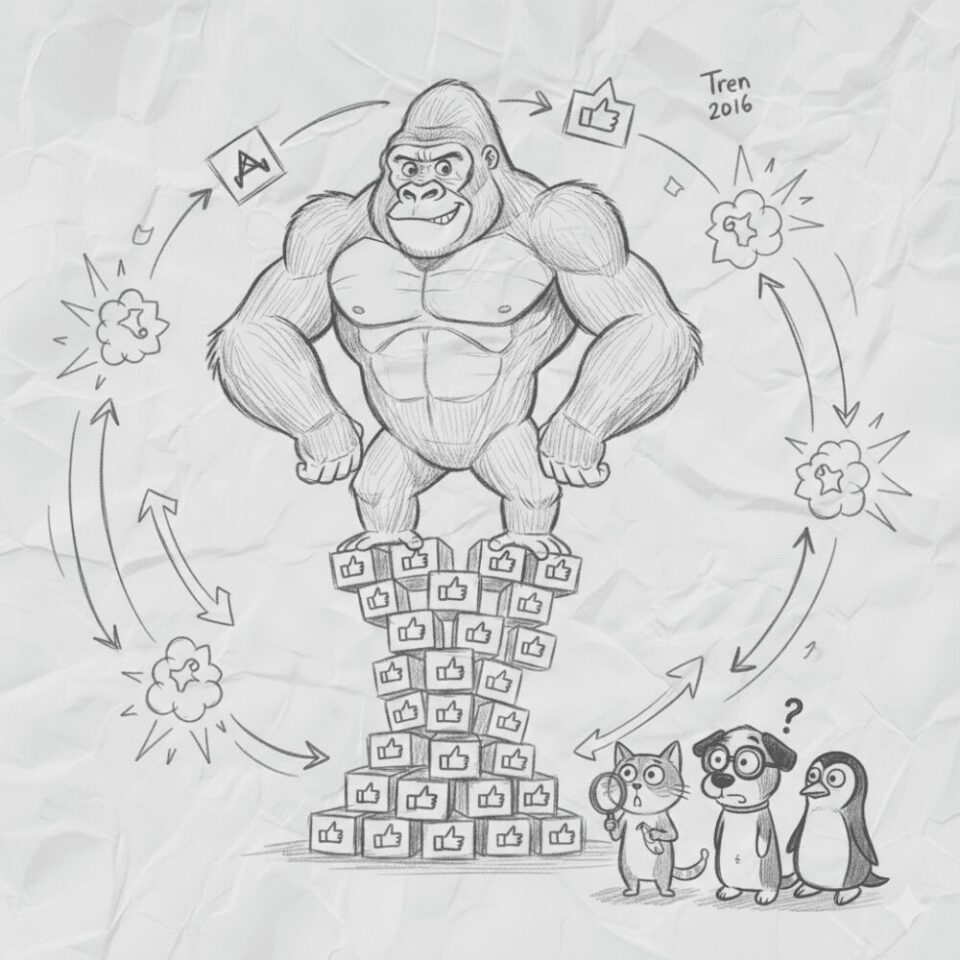
Digital culture is recursive by nature. Trends don’t disappear. They hibernate. Each return reflects the anxieties and desires of the moment.
What Could Be the Next “Forgotten” Trend to Return?
Nothing is off-limits. Vine-era humor. Early YouTube aesthetics. Even the return of unfiltered live posting feels plausible. The archive is deep.
How Long the 2016 Revival Is Likely to Stick Around
As long as it continues to evolve. Stagnation will kill it. Adaptation will sustain it.
Why This Time Feels Different From Past Nostalgia Waves
This revival isn’t just visual. It’s philosophical. It challenges the current norms of performance, productivity, and polish.
The Bigger Picture: Social Media’s Ongoing Identity Crisis
At its core, this comeback underscores a larger uncertainty. Platforms are still deciding what they want to be. Users are reminding them where the magic once lived.