
The Modern Home-Selling Landscape
The home-selling environment has evolved into a dynamic ecosystem driven by shifting buyer behavior, economic fluctuations, and technological advancements. Sellers now operate in a marketplace where digital visibility, data-driven insights, and buyer expectations intertwine. This modern landscape demands strategic decision-making, proactive preparation, and a comprehensive understanding of how homes are evaluated and perceived. With so much competition, standing out requires both precision and creativity.
Why Homeowners Decide to Sell: Common Motivations and Market Triggers
Homeowners choose to sell for a spectrum of reasons: lifestyle changes, employment relocations, financial restructuring, or simply the pursuit of a fresh beginning. Sometimes market triggers, such as rising interest rates, neighborhood development, or high buyer demand, accelerate the decision. A home that once felt ideal can quickly become impractical or less desirable as needs evolve. Recognizing these motivations helps define the tone and urgency of your selling strategy.
Evaluating Your Home’s Current Market Value
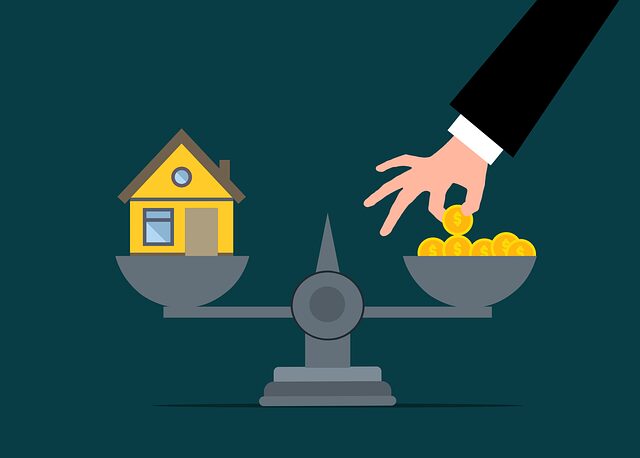
Determining your home’s value goes beyond intuition. It requires analyzing comparable properties, recent sales data, and localized pricing patterns. A professional appraisal or a comparative market analysis (CMA) can reveal an accurate valuation. This number becomes the basis for your entire selling process, influencing pricing, negotiations, and buyer interest. Overpricing deters serious buyers, while underpricing risks lost profit.
How Local Market Conditions Influence Your Selling Strategy

Photo by Pixabay / Free to use under license.
Real estate markets can shift rapidly depending on supply, demand, and economic sentiment. In a seller’s market, competition intensifies among buyers, often leading to shorter listing times and stronger offers. In contrast, a buyer’s market requires robust marketing and strategic pricing to remain competitive. Understanding local conditions empowers sellers to adapt quickly and maximize their outcomes.
Timing the Sale: Best Seasons and Situational Factors to Consider
Seasonality plays a surprising role in real estate success. Spring typically attracts the highest volume of buyers due to favorable weather and school-year planning. Summer can be competitive, while fall offers motivated purchasers seeking end-of-year closings. Winter sales, though quieter, often involve serious buyers with fewer homes to choose from. Personal situations—like job changes or economic shifts—may also influence optimal timing.
Preparing the Home for Sale: Essential Pre-Listing Steps
Preparation sets the stage for success. Pre-listing efforts include deep cleaning, organizing documents, completing renovations, and evaluating potential problems. This foundational work enhances the home’s appeal and minimizes unexpected issues later. A well-prepared property communicates care, value, and desirability from the first glance.
Conducting a Comprehensive Home Inspection Before Listing
A pre-listing inspection reveals structural concerns, safety hazards, and hidden defects long before buyers uncover them. Addressing issues early prevents negotiation setbacks and adds transparency to the transaction. It also demonstrates responsibility, reducing buyer anxiety and streamlining the sale.
High-Impact Repairs That Increase Buyer Appeal
Not all repairs are equally beneficial. Updating outdated fixtures, replacing worn flooring, optimizing lighting, and refreshing paint can dramatically elevate presentation. Cost-effective improvements, like fixing leaks or upgrading appliances, foster a sense of move-in readiness. These enhancements may increase value while creating a more polished impression.
Boosting Curb Appeal With Simple Exterior Enhancements
First impressions matter. Fresh landscaping, clean walkways, and a vibrant front door can instantly elevate the home’s exterior aesthetic. Even small upgrades like new house numbers or outdoor lighting can transform the property’s presence. A visually appealing exterior encourages buyers to engage more deeply with the home.
Interior Improvements That Maximize Perceived Value
Buyers gravitate toward spaces that feel fresh, functional, and well-maintained. Modernizing kitchens, revitalizing bathrooms, and updating flooring can significantly shift perceptions. Even subtle touches—such as new hardware, neutral color palettes, and upgraded window treatments—enhance ambiance. Each improvement contributes to a cohesive, inviting environment.
Decluttering and Depersonalizing for a Cleaner Presentation
Buyers need to envision themselves living in the home. Removing personal items, excess furniture, and visual clutter opens the space, making rooms appear larger and more serene. Organized closets and tidy surfaces reinforce a sense of order, allowing buyers to appreciate the home’s potential without distraction.
The Power of Home Staging: Techniques That Capture Buyer Attention
Home staging blends aesthetics with psychology. Strategic furniture placement, thoughtful accenting, and balanced color themes highlight your home’s best features. Staging can transform ordinary spaces into aspirational environments, increasing emotional engagement and boosting perceived value. Many staged homes sell faster and at higher prices.
Choosing the Right Selling Method for Your Home
Homeowners can choose between traditional listing, cash buyers, or auction-style selling. Each method offers unique advantages depending on timeline, property condition, and market climate. Selecting the right approach aligns your selling strategy with your priorities—whether maximizing profit, ensuring speed, or minimizing complexity.
Working With a Real Estate Agent: What to Look For and Why It Matters
A skilled agent provides market expertise, negotiation prowess, and marketing resources. Look for an agent with strong local knowledge, proven results, and clear communication. Their guidance can mitigate stress, optimize pricing, and ensure regulatory compliance. A well-chosen agent often becomes a strategic partner in achieving your selling goals.
Selling Your Home Without an Agent: Pros, Cons, and Key Considerations
Selling independently grants full control and avoids commission costs, but it requires effort, research, and marketing proficiency. FSBO sellers must navigate pricing, contracts, negotiations, and legal obligations alone. While it can be rewarding, it demands meticulous planning and confidence in handling complex transactions.
Understanding Cash Buyers and Investor Offers
Cash buyers often prioritize speed and convenience. Their offers typically involve fewer contingencies, faster closings, and minimal inspection requirements. Investors may seek properties needing repairs or upgrades, offering competitive pricing for quick acceptance. These options are ideal for sellers who value efficiency over maximizing top-market price.
Pricing Strategies That Attract Qualified Buyers
A well-defined pricing strategy sets the tone of the listing. Competitive pricing attracts more buyers, increases visibility, and can lead to multiple offers. Strategic underpricing may create a bidding surge, while value-aligned pricing ensures steady interest. Precision is key to preventing stagnation or diminished buyer confidence.
Psychological Pricing Tactics That Create Urgency
Subtle pricing techniques—such as ending prices in “9” or positioning slightly below market—can influence buyer perceptions. Strategic thresholds, like listing at $399,000 instead of $400,000, ensure the property appears in more search brackets. These psychological triggers enhance visibility and entice buyers to act quickly.
How Comparable Sales (Comps) Guide Accurate Pricing
Comps analyze similar homes recently sold in your area, revealing patterns that determine appropriate price ranges. Factors include location, square footage, condition, and unique features. Utilizing comps ensures your pricing aligns with market reality, preventing overinflation or undervaluation.
Crafting a Compelling Listing Description That Sells
Words matter. A compelling description blends factual detail with evocative imagery, highlighting features that resonate with buyers. Clear, descriptive language, paired with an inviting narrative, elevates the listing’s personality. Strong descriptions enhance online engagement and leave lasting impressions.
Professional Photography Tips for Eye-Catching Property Images
Photography captures a home’s essence. Natural lighting, wide-angle shots, and meticulous composition help create inviting visuals. Removing clutter and staging each room ensures photos feel bright, spacious, and captivating. High-quality images significantly increase online interaction and drive more showings.
Leveraging Virtual Tours and 3D Walkthroughs
Immersive digital tours allow buyers to explore the home remotely. These technologies create interactive, room-to-room experiences that enhance accessibility and engagement. In a digital-first world, virtual tours provide a competitive advantage, especially for out-of-state or international buyers.
Listing Your Home Online: Platforms, Tools, and Best Practices
Online platforms amplify visibility and attract diverse audiences. Optimized listings include high-quality media, accurate details, and strategic keywords. Consistency across platforms ensures cohesion and reduces confusion. Leveraging analytics helps identify which channels perform best.
Offline Marketing Strategies That Still Work
Traditional methods remain powerful. Yard signs, printed brochures, direct mail, and community advertising continue to attract local buyers. These techniques complement digital efforts, creating a well-rounded marketing arsenal that strengthens exposure.
Hosting an Effective Open House That Drives Demand
A well-organized open house fosters momentum and introduces the property to multiple buyers at once. Clean, bright spaces, subtle aromas, and a welcoming atmosphere create memorable experiences. Prepared informational packets and guided tours showcase the home’s features with clarity and professionalism.
Managing Private Showings With Efficiency and Security
Private showings allow buyers to explore at their own pace. Maintain a clean, secure environment and ensure flexible scheduling. Remove valuables, document entry times, and prepare each room for optimal viewing. Efficiency and safety ensure a pleasant experience for potential buyers.
Evaluating Offers: What to Prioritize Beyond the Sale Price
An offer’s true value extends beyond the dollar figure. Consider contingencies, financing strength, timeline compatibility, and buyer motivation. Weigh these elements collectively to determine which offer aligns best with your selling goals.
Negotiation Tactics That Protect Your Bottom Line

Photo by Pixabay / Free to use under license.
Negotiation requires a blend of diplomacy and assertiveness. Avoid revealing too much information, remain calm under pressure, and counter strategically. Lean on factual data to reinforce your position. Effective negotiation preserves profit while fostering a cooperative transaction.
Understanding Contingencies and How They Affect the Timeline
Contingencies—such as inspection, appraisal, or financing—create checkpoints within the sale process. These conditions protect the buyer but can influence timing and certainty. Understanding each contingency helps anticipate delays and prepare appropriate responses.
Accepting an Offer and Entering the Closing Process
Once an offer is accepted, the closing phase begins. This stage involves document preparation, escrow arrangements, inspections, and final negotiations. Smooth communication ensures a seamless path toward transfer of ownership.
Preparing for the Appraisal: What Sellers Should Expect
Appraisals determine whether the home’s value aligns with the buyer’s loan requirements. Prepare by showcasing improvements, ensuring cleanliness, and providing relevant documents. A successful appraisal strengthens the sale and minimizes renegotiation.
Navigating Inspections and Repair Requests
Buyers may request repairs following an inspection. Evaluate each request objectively, balancing cost, necessity, and market conditions. Fair, reasonable solutions maintain goodwill while keeping the transaction on track.
Finalizing Contracts and Required Documentation
The final documentation includes deeds, disclosures, and legal agreements. Accuracy and completeness ensure compliance with state laws and prevent last-minute issues. Organized paperwork accelerates closing and provides peace of mind.
Common Pitfalls That Delay or Derail a Home Sale
Unrealistic pricing, poor communication, incomplete disclosures, and neglected repairs can impede progress. Delays often arise from misunderstandings, financing issues, or inspection disputes. Awareness of these pitfalls helps sellers avoid costly setbacks.
Legal and Tax Considerations When Selling a House
Real estate transactions involve legal nuances and potential tax obligations. Capital gains exemptions, state regulations, and documentation requirements must be considered. Consulting professionals ensures compliance and strategic financial planning.
Moving Logistics: How to Plan a Smooth Transition
Efficient moving requires advance planning, organized packing, and coordinated scheduling. Hiring reputable movers, labeling boxes, and preparing an essentials kit help simplify the process. A structured approach eases stress during transition.
Post-Sale Checklist for a Stress-Free Wrap-Up
After closing, disconnect utilities, forward mail, and complete final housekeeping tasks. Notify relevant institutions of your address change and secure all personal documents. A thoughtful post-sale checklist ensures a tidy conclusion to your home-selling journey.