

Why Digital Support for Modern Relationships Matters
Modern relationships exist in a world dominated by digital interaction, relentless schedules, and evolving communication norms. Amid these changes, many couples find themselves searching for support that fits seamlessly into their daily lives. Online marriage counseling has emerged as a powerful solution—one that blends accessibility with thoughtful guidance. It allows couples to seek help in an environment that feels familiar, comfortable, and free from the constraints of physical appointments. In an era where connection happens across screens as often as it does across kitchen tables, virtual counseling offers a lifeline tailored to the realities of contemporary love.
Understanding Online Marriage Counseling in Today’s Connected World
Online marriage counseling brings therapeutic insight to couples through video calls, messaging platforms, and structured digital programs. It mirrors traditional therapy in goals and depth, yet offers unique advantages through its flexibility and reach. Couples can engage with licensed therapists regardless of geographical barriers, opening the door to specialized support that may be unavailable locally. This modern modality embraces the unprecedented connectivity of the digital age, transforming relationship care into a more inclusive and adaptable experience.
How Virtual Therapy Works Behind the Scenes
Beneath its user-friendly interface, virtual therapy relies on robust technological frameworks. Secure encrypted platforms ensure that conversations remain private. Scheduling tools synchronize availability across time zones. Interactive dashboards track progress using session notes, questionnaires, and personalized recommendations. This behind-the-scenes orchestration creates a seamless experience, allowing couples to focus solely on the healing process rather than logistical complexities.
Key Differences Between Online and Traditional In-Person Counseling
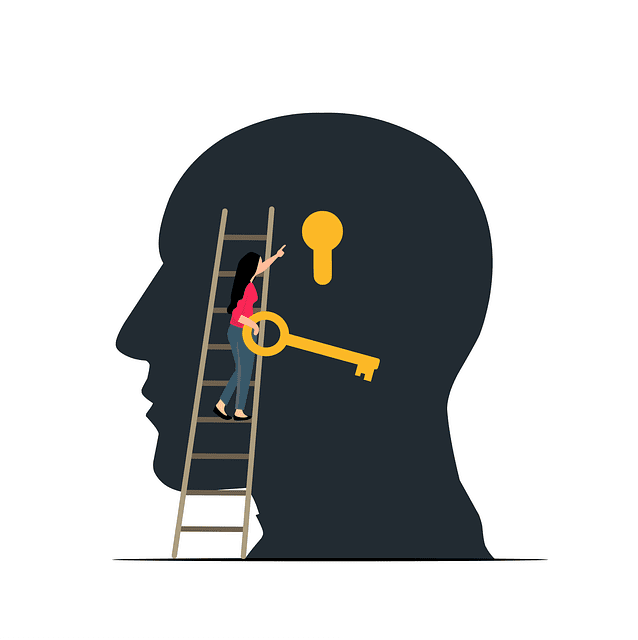
Photo by Pixabay / Free to use under license.
While both approaches pursue emotional restoration and relational harmony, their delivery differs. Traditional in-person counseling invites couples into a structured, physical environment, often requiring commute time and fixed appointment slots. Online counseling, however, dissolves these boundaries. It offers flexible timing, greater anonymity, and the freedom to engage from home. Some couples feel more at ease expressing themselves virtually, especially when discussing sensitive issues. Others appreciate the hybrid approach, blending face-to-face intimacy with digital convenience.
Common Misconceptions About Online Counseling That Need Clearing Up
Many assume that virtual therapy lacks depth or emotional nuance. Yet research and clinical experience consistently challenge this myth. Another misconception is that technology creates distance. In truth, well-designed platforms foster connection through real-time interaction and guided exercises. Some also fear that online therapists are less qualified, though reputable providers employ the same licensed professionals who conduct traditional therapy. Clearing up these misunderstandings helps couples approach online counseling with confidence rather than hesitation.
When Online Marriage Counseling Is the Right Fit for Your Relationship
Online counseling is ideal for couples who struggle with scheduling constraints, geographical separation, or discomfort in traditional settings. It caters to partners seeking a low-pressure environment to explore difficult emotions. It’s also a strong match for those who travel frequently or maintain unconventional work hours. When emotional tension is present but both partners are committed to improvement, virtual therapy can act as a stabilizing and proactive resource.
Signs Your Marriage Could Benefit from Virtual Support
Recurring conflict, emotional withdrawal, or communication breakdowns often signal the need for professional intervention. Other signs include growing resentment, feelings of disconnection, or uncertainty about the future of the partnership. Even couples who feel generally harmonious can benefit from online counseling as a preventative measure, strengthening their bond before issues escalate.
How to Choose a Qualified and Trustworthy Online Marriage Counselor
Finding the right counselor involves evaluating expertise, communication style, and platform reliability. A strong therapist is one who listens deeply, speaks with clarity, and adapts techniques to each couple’s dynamic. Trusted counselors provide a sense of safety, invite honesty, and guide conversations without judgment. Compatibility is essential—partners should feel supported rather than intimidated.
Credentials, Licensing, and Red Flags to Watch Out For
A qualified online marriage counselor should hold a valid license in marriage and family therapy, counseling, or clinical psychology. Look for affiliations with professional organizations, ongoing training, and positive client feedback. Red flags include vague credentials, lack of a professional website, or promises of “quick fixes.” If a provider suggests avoiding conflict entirely or makes unrealistic guarantees, caution is warranted.
Popular Platforms Offering Online Couples Therapy
Several platforms specialize in virtual relationship support, offering features such as live video sessions, messaging, and guided educational programs. Some platforms match couples with therapists based on personality, goals, and availability. Others provide intensive workshops, tailored therapy routes, or multilingual counselors to cater to diverse populations. Clients often appreciate platforms that allow smooth session booking, easy communication, and transparent pricing.
Features to Look For in a High-Quality Virtual Counseling Service
A premium service should provide secure communication, flexible scheduling, licensed therapists, and multiple communication modalities. Additional features such as video archives, progress journals, and interactive exercises enhance engagement. A clean, intuitive interface makes navigation effortless. Responsiveness, including timely therapist replies and accessible support teams, is equally important.
What to Expect During Your First Online Therapy Session
The initial session typically involves establishing expectations, identifying core challenges, and exploring relationship history. Couples may be asked about communication patterns, emotional triggers, and shared goals. The therapist creates a welcoming atmosphere, asking thoughtful questions that open the door to sincere reflection. Many couples feel a surprising sense of relief as clarity begins to replace confusion.
Setting the Emotional Tone: Creating a Safe Digital Space at Home
A private, calm environment allows online counseling to unfold with focus and sincerity. Couples can enhance their digital space by minimizing distractions, adjusting lighting for comfort, and approaching each session with intentionality. Establishing boundaries—such as silencing devices or choosing a neutral room—helps cultivate emotional safety. This intentional setup transforms a simple screen into a sanctuary for honest conversation.
Effective Communication Exercises Commonly Used in Online Counseling
Therapists often introduce techniques such as reflective listening, timed dialogues, and emotional labeling. These exercises encourage partners to pause, absorb, and respond thoughtfully. Some involve collaborative problem-solving, while others highlight deeper emotional needs. Practiced consistently, these strategies help rebuild trust and reduce misunderstandings.
Technology as a Tool: How Digital Resources Enhance Relationship Skills
Digital platforms offer interactive worksheets, mood tracking apps, and video modules that complement live sessions. These tools reinforce learning by turning abstract concepts into memorable, practical actions. Technology also enables couples to revisit previous discussions, monitor progress, and stay emotionally connected between sessions.
Conflict Resolution Techniques That Work Well in a Virtual Environment
Online therapists guide partners through structured conflict resolution methods—such as “I” statements, cooling-off periods, and guided negotiation. The virtual setting often softens tension by providing a slight buffer of space. Couples find it easier to stay composed, listen actively, and avoid impulsive reactions.
Navigating Difficult Topics Through Online Mediation
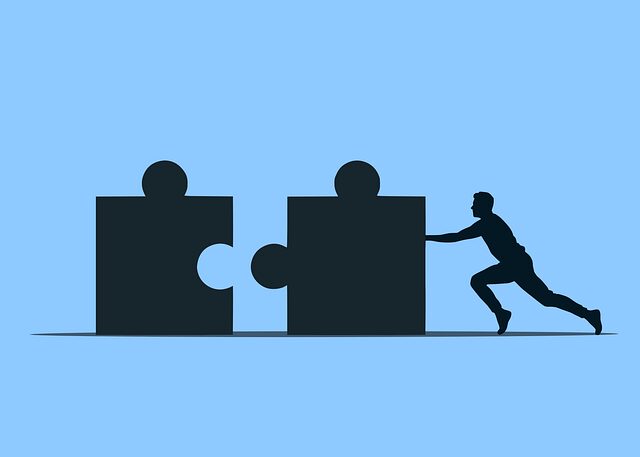
Photo by Pixabay / Free to use under license.
Some discussions—infidelity, financial strain, unmet emotional needs—require careful navigation. Online mediation offers a structured environment where a neutral guide facilitates difficult conversations with compassion. The presence of a therapist helps prevent escalation and encourages vulnerability. Couples often express themselves more clearly when they can take a moment to breathe behind the screen.
The Role of Homework Assignments and Progress Tracking
Therapists may assign tasks such as journaling, shared activities, or communication drills. These assignments bridge the gap between sessions, turning insights into lived experiences. Progress tracking tools allow couples to observe improvements, celebrate milestones, and recognize patterns that shape their emotional landscape.
Benefits of Online Marriage Counseling for Busy or Long-Distance Couples
For couples separated by travel, time zones, or demanding careers, online counseling provides a unified meeting point. It eliminates commuting stress, reduces scheduling conflicts, and accommodates irregular routines. Many couples experience renewed closeness simply from making consistent time for one another in a guided setting.
Cost Considerations and How Pricing Compares to In-Person Therapy
Online therapy often offers more flexible pricing models, including subscription plans, per-session payments, and bundled sessions. This variability can make counseling more affordable than traditional methods. Without travel expenses or rigid scheduling, couples receive meaningful support at a fraction of the cost associated with in-person appointments.
Data Privacy and Security: Protecting Your Personal Conversations Online
Reputable counseling platforms rely on advanced encryption, secure servers, and strict confidentiality protocols. These measures safeguard personal stories, emotional disclosures, and identifying information. Couples can rest assured that their therapy environment remains private and protected, even in the digital realm.
Real-World Success Stories from Online Counseling Experiences
Many couples describe online therapy as transformative. They recount breakthroughs in trust, revitalized communication, and newfound emotional understanding. Some highlight how virtual sessions helped them feel heard in ways they struggled to achieve in person. These stories illustrate that growth and healing can thrive in digital spaces.
How to Stay Consistent and Committed to the Process
Consistency is essential for meaningful change. Scheduling regular sessions, completing assignments, and practicing new communication techniques help couples maintain momentum. Commitment involves patience—progress rarely follows a straight line, yet the journey becomes richer with each intentional step.
When to Transition from Online Counseling to Other Forms of Support
Some couples may eventually benefit from in-person therapy or more specialized interventions. This transition may occur when deeper psychological challenges surface or when partners seek different forms of therapeutic engagement. Knowing when to shift ensures that care remains aligned with the couple’s evolving needs.
Additional Resources to Strengthen Your Relationship Between Sessions
Couples can expand their growth through books, podcasts, relationship workshops, and mindfulness apps. These supplementary tools provide ongoing inspiration and reinforce essential skills. Integration of external resources cultivates a holistic approach to strengthening the marriage.
Conclusion: Building a Stronger, More Connected Marriage Through Virtual Guidance
Online marriage counseling offers couples a modern, accessible, and deeply supportive pathway toward emotional connection. It accommodates busy lives while delivering meaningful therapeutic insight. With the right guidance, couples can transform digital sessions into opportunities for reflection, healing, and renewed partnership. Through intentional engagement and open-hearted communication, a stronger and more harmonious marriage becomes not only possible—but beautifully attainable.