
Fueling the Body for Strength, Energy, and Performance
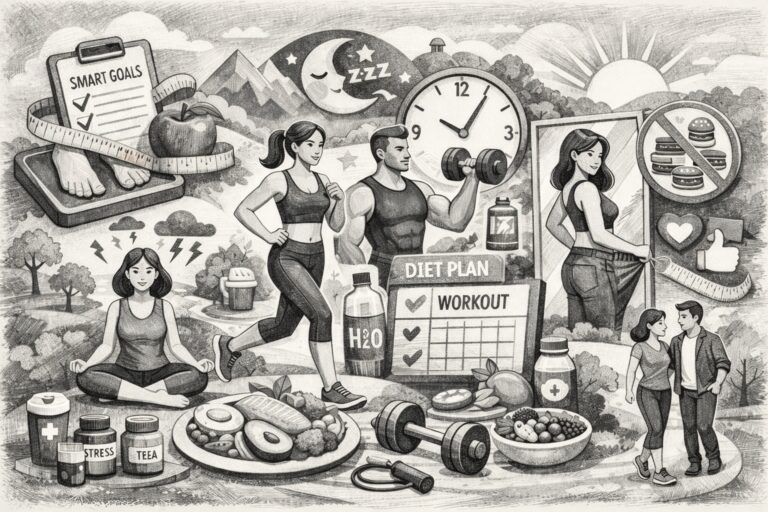
Fitness thrives on consistency, but consistency thrives on nourishment. The body operates like a precision machine—capable of astonishing power when given proper fuel. Fitness-focused nutrition is not simply about calories; it’s about strategic nourishment that sustains energy, fortifies muscles, sharpens focus, and accelerates recovery. When the right foods become part of daily habit, movement feels easier, strength grows steadily, and motivation takes on a life of its own.
Understanding the Connection Between Nutrition and Fitness
Nutrition and fitness work in symbiosis. Each time the body trains, it breaks down tissue, expends energy, and triggers metabolic processes that depend on vitamins, minerals, and macronutrients. Food doesn’t just influence performance—it dictates it. When nutrients are abundant, muscles rebuild efficiently, endurance expands, and cognitive sharpness improves. When nutrients are lacking, fatigue creeps in, recovery slows, and progress stalls.
Why the Right Foods Matter for Every Type of Training
Different training styles create different nutritional demands. Strength training requires protein-rich foods for muscle fiber repair. Endurance workouts rely on slow-burning carbohydrates to maintain stamina over long periods. High-intensity interval training benefits from balanced meals that sustain explosive energy. Tailoring food choices to training style ensures the body performs optimally without hitting energy plateaus or mental fog.
How Nutrient Timing Enhances Workout Results
Timing nutrition around workouts maximizes both energy expenditure and recovery quality. Consuming carbohydrates before exercise fuels movement, while post-workout protein accelerates muscle repair. Eating small, nutrient-dense meals throughout the day stabilizes blood sugar and supports consistent performance. When nutrients arrive at the right moments, workouts feel sharper and results manifest more rapidly.
Macronutrients That Power an Active Lifestyle
Macronutrients—proteins, carbohydrates, and fats—are the pillars of a fitness diet. Each plays a distinct role: proteins rebuild, carbohydrates energize, and fats regulate hormonal balance. A well-rounded fitness diet blends all three, adjusting proportions depending on goals such as weight loss, muscle gain, or endurance training.
Proteins for Muscle Growth, Repair, and Endurance
Protein is the architect of muscle tissue. After workouts, tiny microtears form in muscle fibers; protein’s amino acids act like repair crews, strengthening and enlarging the fibers over time. Lean meats, legumes, tofu, eggs, and Greek yogurt deliver substantial protein without excessive fats. Regular intake keeps muscles resilient and improves endurance during strenuous sessions.
Healthy Carbohydrates That Sustain Long-Lasting Energy
Carbohydrates replenish glycogen—the body’s preferred energy source. Whole grains, root vegetables, oats, and fruits provide complex carbohydrates that release energy slowly, preventing sudden drops in stamina. Choosing nutrient-dense carbs supports prolonged concentration, better lifts, and more efficient calorie utilization.
Fats That Support Hormone Balance and Recovery
Healthy fats are essential for nervous system function and hormone production. They reduce inflammation, protect vital organs, and regulate metabolic health. Avocados, nuts, seeds, and olive oil offer powerful anti-inflammatory properties, aiding recovery and supporting long-term vitality.
Micronutrients Essential for Athletic Function
Vitamins and minerals operate behind the scenes, guiding processes like muscle contraction, bone strength, oxygen transport, and immune function. Magnesium, iron, calcium, potassium, and vitamin D are particularly vital for athletic performance. Ensuring varied intake through colorful fruits and vegetables promotes balanced physiology and peak performance.
Hydration Habits That Boost Stamina and Focus
Even slight dehydration impairs strength, reaction time, and mental clarity. Water lubricates joints, regulates temperature, and supports every metabolic function. Consistent hydration—paired with electrolytes during intense workouts—keeps muscles firing efficiently and prevents premature fatigue.
Pre-Workout Nutrition: Foods That Prime the Body for Movement
Eating before exercise sets the stage for performance. The ideal pre-workout meal is light yet energizing, providing carbohydrates for fuel and small amounts of protein to stabilize energy levels. Well-timed pre-workout nutrition enhances endurance, sharpens focus, and prevents energy crashes mid-session.
Quick and Light Snacks for Morning Sessions
Early workouts call for gentle nourishment that activates the metabolism without causing heaviness. A banana with nut butter, a small bowl of oats, or a protein-rich smoothie provides just enough fuel to spark movement while keeping digestion comfortable.
Sustained-Energy Meals for Afternoon or Evening Workouts
Later workouts benefit from more substantial meals earlier in the day. Brown rice bowls, quinoa salads, lean meats, and roasted vegetables deliver lasting energy. These meals maintain balanced blood sugar, preventing sluggishness and improving stamina.
What to Avoid Before Exercising to Prevent Fatigue or Discomfort
Heavy, greasy, or high-sugar foods weigh down the digestive system and sap energy. Carbonated beverages, fried foods, and large portions often cause bloating or sluggishness. Caffeine excess can accelerate dehydration. Steering clear of these choices ensures workouts feel energized rather than burdensome.
Post-Workout Nutrition: Maximizing Recovery and Performance
Post-workout nutrition is crucial for rebuilding strength and restoring energy. Combining protein and carbohydrates jump-starts muscle repair and replenishes glycogen stores. A well-rounded recovery meal can significantly reduce soreness and accelerate progress.
Protein-Rich Meals That Rebuild Muscles

Photo by Pixabay / Free to use under license.
Grilled chicken, lentil bowls, cottage cheese, and fish all deliver easily absorbed protein. Pairing these with leafy greens or vegetables creates a nutrient-rich meal that supports tissue recovery and long-term performance.
Carb Combinations That Replenish Glycogen Stores
Sweet potatoes, whole grain pasta, and fruits like berries or apples quickly restore glycogen. Combining them with protein ensures a balanced anabolic environment where muscles recover efficiently.
Hydration Strategies for Electrolyte Restoration
After intense exercise, water alone may not suffice. Electrolytes like sodium, magnesium, and potassium help regulate muscle function and prevent cramps. Coconut water, electrolyte drinks with minimal sugar, and mineral-rich foods replenish what sweat depletes.
Daily Eating Patterns for Active Individuals
A structured eating rhythm stabilizes energy and curbs cravings. Active individuals benefit from nutrient-dense meals spaced evenly throughout the day. This approach keeps metabolism active, prevents fatigue, and supports recovery between sessions.
How to Build a Balanced Fitness-Focused Meal Plan
A fitness-focused meal plan incorporates lean proteins, vibrant vegetables, quality carbohydrates, and healthy fats. Planning ahead ensures balanced intake and reduces reliance on convenient yet less nourishing foods. The goal is to create meals that are colorful, nutrient-rich, and satisfying.
Portion Control Guidelines for Different Fitness Goals
Portions depend on objectives. Athletes seeking muscle growth require larger portions of proteins and carbs, while those aiming for fat loss focus on volume-rich, low-calorie foods like leafy greens and lean protein. Understanding portion flexibility helps maintain consistency without feeling restricted.
Meal Timing Habits That Maintain Steady Energy
Eating every three to four hours keeps blood sugar balanced. Skipping meals can lead to fatigue, overeating, or diminished performance. Consistent timing creates metabolic harmony and improves workout outcomes.
Fitness Food for Weight Loss
For weight loss, nutrient density is key. Foods that deliver high satiety with moderate calories help maintain a caloric deficit without sacrificing energy levels or muscle mass. The strategy emphasizes nourishment rather than deprivation.
Low-Calorie, High-Nutrient Foods That Keep You Satisfied
Leafy greens, zucchini, lean fish, berries, and broth-based soups offer substantial volume with minimal calories. These foods support satiety, digestion, and overall metabolic health.
Smart Swaps That Reduce Calories Without Reducing Flavor
Replacing heavy creams with Greek yogurt, using cauliflower rice instead of white rice, or opting for baked foods over fried items significantly cuts calories. These swaps maintain enjoyment while supporting progress.
Fitness Food for Muscle Gain
Muscle growth demands consistent protein intake, adequate calories, and nutrient-rich foods. The body needs a surplus of energy to build new muscle tissue efficiently.
High-Protein Foods That Elevate Strength Development
Turkey, eggs, legumes, tofu, salmon, and whey proteins provide high-quality amino acids. Consuming them regularly ensures muscle fibers rebuild stronger after training.
Nutrient-Dense Add-Ins That Boost Caloric Intake Strategically
Adding nuts, chia seeds, avocado, nut butters, quinoa, or extra olive oil boosts calories without compromising health. These add-ins provide sustained energy and essential nutrients for muscle synthesis.
Fitness Food for Endurance Training
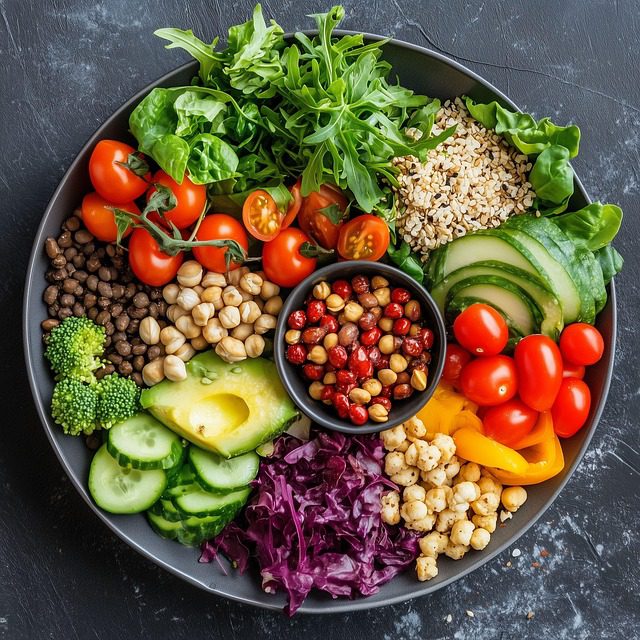
Photo by Pixabay / Free to use under license.
Endurance athletes rely on long-lasting fuel sources to sustain multi-hour activities. The focus shifts toward slow-burning carbs and consistent hydration.
Slow-Burning Carbs and Foods That Prevent Mid-Workout Crashes
Oats, whole grain pasta, barley, and legumes release glucose gradually, preventing sudden drops in energy. Pairing them with lean protein creates long-term fuel stability.
Hydration and Electrolyte Strategies for Long Sessions
Long workouts demand regular fluid intake. Electrolytes must be replenished through mineral water, coconut water, or low-sugar sports drinks to prevent cramping and maintain muscle coordination.
Superfoods That Support Performance and Longevity
Superfoods supply concentrated nutrients that enhance cellular function, reduce inflammation, and increase resilience.
Plant-Based Fitness Foods Rich in Antioxidants and Amino Acids
Spirulina, quinoa, lentils, chia seeds, and kale deliver antioxidants and essential amino acids. These support recovery and protect cells from oxidative stress.
Functional Foods That Reduce Inflammation and Aid Recovery
Turmeric, ginger, berries, and green tea contain compounds that reduce inflammation, improve mobility, and accelerate tissue healing.
Convenient Fitness Foods for Busy Lifestyles
Modern schedules require convenience without compromising health. Portable, nutrient-dense options ensure athletes stay fueled wherever they go.
Portable Snacks for On-the-Go Athletes
Trail mix, protein bars, rice cakes with nut butter, and fresh fruit offer quick energy boosts during busy days.
Meal Prep Strategies That Save Time and Keep You on Track
Batch-cooking proteins, chopping vegetables ahead of time, and portioning meals into containers simplify the week. Preparation reduces decision fatigue and ensures consistency.
Reading Food Labels with a Fitness Mindset
Food labels reveal hidden sugars, unhealthy fats, and unnecessary additives. Reading them critically ensures better food choices.
How to Identify Clean Ingredients That Truly Support Training
Short ingredient lists, recognizable foods, minimal additives, and natural sources signal clean products. Prioritizing whole-food ingredients improves overall nutrition quality.
Red Flags to Avoid in Packaged “Healthy” Foods
Buzzwords like “low-fat” or “natural” can mask high sugar content, artificial flavors, or excessive sodium. Being vigilant prevents poor choices disguised as health foods.
Supplements That Complement a Fitness-Focused Diet
Supplements can fill nutritional gaps but should complement—not replace—whole foods.
When Protein Powders, Creatine, and BCAAs Are Worth Considering
Protein powders assist with meeting daily protein needs. Creatine boosts strength and endurance. BCAAs may help reduce muscle soreness. When used strategically, they support athletic progress.
Whole-Food Alternatives to Common Supplements
Eggs, nuts, seeds, lean meats, and legumes naturally provide many nutrients found in supplements. Whole foods offer synergistic benefits supplements can’t replicate.
Fitness-Friendly Recipes for Everyday Meals

Photo by Pixabay / Free to use under license.
Practical recipes help integrate fitness nutrition into daily life.
Quick Breakfasts That Energize the Day
Overnight oats, veggie omelets, and protein shakes deliver quick yet nutrient-packed fuel for the morning.
Lunches and Dinners Designed for Strength and Recovery
Grain bowls, salmon with greens, stir-fries, and burrito bowls maintain energy and provide essential proteins and healthy fats.
Smart Desserts That Fit an Active Lifestyle
Greek yogurt parfaits, dark chocolate, and fruit-based treats satisfy cravings while supporting recovery.
Special Considerations for Different Diet Types
Different dietary preferences still align with a fitness-focused lifestyle when planned thoughtfully.
Vegan and Vegetarian Fitness Eating Plans
Plant-based diets rely on legumes, tofu, quinoa, and fortified foods to meet protein and micronutrient needs.
Low-Carb or Keto Options for Active Individuals
Avocado, eggs, lean meats, nuts, and low-carb vegetables maintain energy while keeping carbs low.
Gluten-Free or Allergen-Sensitive Fitness Food Solutions
Naturally gluten-free whole foods like rice, potatoes, quinoa, fruit, and vegetables support training without digestive discomfort.
How to Make Fitness Food Enjoyable and Sustainable
Fitness eating becomes a lifestyle when meals are enjoyable and satisfying. Creativity and variety prevent monotony and keep motivation strong.
Flavor-Boosting Techniques That Keep Meals Exciting
Herbs, spices, citrus, and infused oils add vibrancy to meals without adding excess calories. Flavor enhancers elevate even simple dishes.
Building a Positive Relationship Between Food, Body, and Training
Food should be seen as nourishment and empowerment—not restriction. Embracing a balanced mindset fosters long-term health, confidence, and joy in movement.
Conclusion: Nourish Your Body, Elevate Your Fitness, Transform Your Life
Fueling the body with intention turns fitness into a deeply rewarding journey. With nutrient-rich foods, smart timing, and supportive habits, strength rises, energy stabilizes, and performance reaches new heights. Prioritizing fitness food is a powerful investment—one that transforms both body and life from the inside out.